
When you think about farming, you might picture a farmer growing crops for the family or looking after a few animals. But farming is not always done on that scale.
In many parts of the world, farmers grow crops or raise animals mainly to sell them in the market. The harvest may go to a local mandi, a food-processing company, a supermarket, or even an international buyer. This type of agriculture is known as commercial farming.
The idea is fairly simple: instead of producing mainly for the family’s own needs, the farmer produces agricultural goods with the market in mind.
But commercial farming is not limited to huge farms with expensive machines. A small farmer growing tomatoes specifically for a nearby wholesale market can also be involved in commercial agriculture.
So, what exactly makes farming commercial? What crops are commonly grown? Is it always large-scale? And what are its advantages and disadvantages?
What Is Commercial Farming?
Commercial farming is a type of agriculture in which crops are grown or animals are raised mainly for sale and income.
The farmer usually decides what to produce based on factors such as market demand, expected prices, climate, soil, water availability, production costs, and available resources.
For example, suppose a farmer grows wheat.
If most of the wheat is kept to feed the farmer’s family, the activity is closer to subsistence farming.
But if the farmer grows a large quantity of wheat mainly to sell to traders, mills, or other buyers, it is considered commercial farming.
The difference is therefore mainly about the purpose of production, not simply the size of the farm.
For a broader understanding of agricultural systems, you can also read our guide to: Types of Farming: 7 Major Types of Farming Explained
How Does Commercial Farming Work?
Commercial agriculture is not just about planting a crop and selling it later. There is usually a complete chain behind the final product.
A farmer may first decide what to grow by looking at market prices and local demand. After that, they prepare the land, purchase seeds and other inputs, manage the crop, harvest it, and then arrange storage or transportation.
Depending on the crop, it may then go through cleaning, grading, packaging, or processing before reaching the consumer.
A simple example looks like this:
Farmer → Trader/Market → Processor → Retailer → Consumer
Not every farm follows exactly the same route, but this gives an idea of how commercial agriculture connects farming with the wider economy.
Main Features of Commercial Farming
Commercial farming can look very different from one region to another. Still, some characteristics are commonly found in this type of agriculture.
#1. Crops or Livestock Are Produced for Sale
This is the most important feature.
The farmer’s main aim is to produce something that can be sold and generate income. It could be wheat, cotton, sugarcane, vegetables, milk, eggs, meat, or another agricultural product.
#2. Market Demand Matters
A commercial farmer cannot ignore the market.
Before choosing a crop, farmers may consider questions such as:
- Is there demand for this crop?
- What price is it likely to receive?
- How much will production cost?
- Is there a nearby market?
- Can the crop be stored easily?
- How much water and labor will it require?
These decisions can have a direct impact on the farmer’s income.
#3. Modern Equipment May Be Used
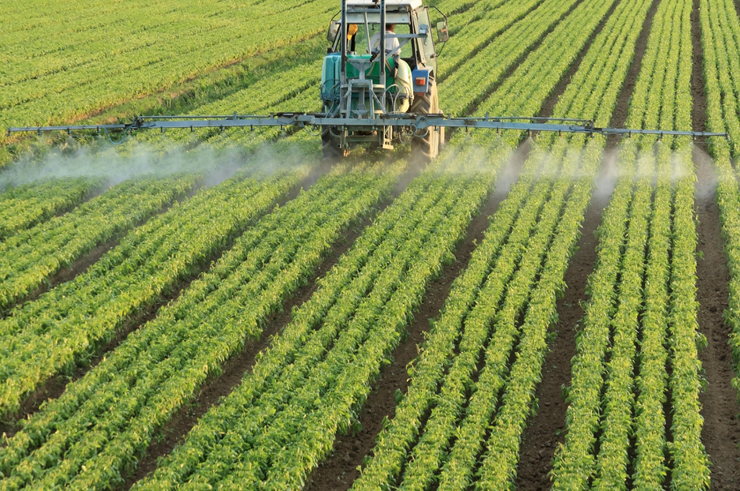
Depending on the size and resources of the farm, commercial farmers may use tractors, harvesters, irrigation systems, soil-testing equipment, greenhouse technology, or precision farming tools.
However, it is worth remembering that commercial farming does not automatically mean highly mechanized farming. A small commercial vegetable grower may still rely heavily on manual labor.
#4. Production Costs Are Important
Seeds, fertilizers, irrigation, labor, fuel, machinery, transportation, storage, and other expenses all affect the final profit.
A farmer therefore needs to think about both production and business management.
#5. Production May Be Specialized
Some commercial farms concentrate on one major crop or agricultural product.
For example, a farm may specialize in:
- Cotton
- Sugarcane
- Wheat
- Tea
- Coffee
- Dairy production
- Vegetables
Specialization can make production more organized, although it can also increase financial risk if market conditions change.
Types of Commercial Farming
Commercial farming is a broad term. It includes several different forms of crop and livestock production.
#1. Commercial Grain Farming
Commercial grain farming focuses on crops such as wheat, maize, barley, oats, and in some regions rice.
Large grain farms are often found in areas where there is enough land for mechanized cultivation. Tractors, seed drills, combine harvesters, and other machinery can make it possible to manage large fields with fewer workers.
Wheat is a good example of a crop that is widely produced commercially around the world.
#2. Commercial Plantation Farming
Plantation farming is another well-known form of commercial agriculture.
Large areas of land are generally used to grow crops such as tea, coffee, rubber, cocoa, sugarcane, and oil palm. These crops are often produced for processing and sale rather than direct household consumption.
For example, tea leaves harvested from a tea estate are sent for processing before becoming the tea products consumers purchase.
You can read our detailed guide here: Plantation Farming: Meaning, Types, Crops, Advantages and Disadvantages
#3. Commercial Horticulture
Horticulture involves growing fruits, vegetables, flowers, herbs, and other high-value crops.
This type of commercial agriculture can be particularly interesting because the farmer is often producing crops for a specific market rather than simply growing whatever is easiest to cultivate.
A vegetable farmer supplying tomatoes to a city wholesale market is a simple example.
For these products, timing can matter a lot. Fresh vegetables and fruits are perishable, so farmers often need good transportation, packaging, storage, and market connections.
#4. Commercial Livestock Farming
Commercial farming also includes animal production.
Farmers may raise animals primarily to sell:
- Milk
- Meat
- Eggs
- Wool
- Hides
- Other livestock products
A dairy farmer supplying milk to a commercial dairy company is one common example.
The scale can vary considerably, from family-run commercial farms to much larger livestock operations.
#5. Commercial Mixed Farming
Some farmers do not depend on a single agricultural activity.
They may grow crops while also keeping cattle, buffaloes, goats, poultry, or other livestock. When both activities are carried out with the intention of generating market income, the farm can be considered part of commercial agriculture.
This approach can also help spread financial risk because the farmer has more than one source of income.
Mixed Farming: Meaning, Types, Advantages and Examples
Examples of Commercial Farming:
It is easier to understand the concept with a few everyday examples.
Example 1: Wheat Farming
A farmer grows wheat on a large area and sells the harvested grain to a trader or flour mill.
This is commercial farming because the crop is produced mainly for the market.
Example 2: Vegetable Farming
A farmer grows tomatoes, onions, or potatoes specifically for wholesale buyers.
The farmer’s production decisions are influenced by demand, prices, transportation, and production costs.
Example 3: Dairy Farming
A farmer keeps cows or buffaloes and sells milk regularly to a dairy company or local market.
This is commercial livestock farming.
Example 4: Tea Farming
A tea estate grows tea leaves for commercial processing and sale.
This is an example of plantation-based commercial agriculture.
Commercial Farming in India:
Commercial agriculture has an important place in India’s farming economy.
India’s varied climate and geography allow farmers to produce a wide range of crops. Some crops are grown mainly for food, while others have strong commercial and industrial demand.
Examples include:
- Cotton
- Sugarcane
- Tea
- Coffee
- Spices
- Fruits
- Vegetables
- Oilseeds
- Wheat
- Rice
Different parts of the country have developed around different crops.
For instance, Assam is well known for tea production, while coffee cultivation is important in parts of southern India. Sugarcane and cotton are also important commercial crops in several states.
Commercial farming in India is not limited to large agricultural companies. Many small and medium farmers also grow crops specifically for local and regional markets.
That distinction is important because commercial farming does not necessarily mean corporate farming.
Advantages of Commercial Farming
Commercial agriculture can bring several benefits, both to farmers and to the wider economy.
- It Provides an Income Source
The most obvious benefit is income.
Farmers can sell their crops or livestock products and use the earnings to support their families, invest in their farms, or pay for future production.
- It Supports Food and Agricultural Markets
Commercial farmers supply products to markets, retailers, processors, restaurants, exporters, and consumers.
Without market-oriented agricultural production, many food and agricultural supply chains would struggle to operate.
- It Creates Employment
Agriculture creates work not only on farms but also in related activities such as transportation, packaging, processing, storage, marketing, and equipment services.
- It Can Encourage Better Technology
Farmers who produce for competitive markets may have greater motivation to adopt technology that can improve productivity or reduce unnecessary costs.
Depending on the situation, this could include better irrigation, improved seeds, farm machinery, or precision agriculture.
- It Supplies Raw Materials to Industries
Many industries depend directly on agricultural products.
Cotton supports the textile industry, sugarcane supports sugar production, and crops such as tea and coffee support processing and beverage industries.
Disadvantages and Challenges of Commercial Farming
Commercial farming also comes with its own set of risks.
- Market Prices Can Change
A farmer may spend months growing a crop only to find that prices have fallen by harvest time.
This is one of the biggest uncertainties in market-oriented agriculture.
- Production Can Be Expensive
Modern equipment, irrigation, seeds, fertilizers, labor, fuel, storage, and transportation can add up quickly.
If production costs rise while crop prices remain low, profit margins can become very small.
- Weather Remains a Major Risk
Even with modern technology, farmers cannot completely control nature.
Drought, floods, storms, extreme temperatures, pests, and diseases can affect production.
Commercial Farming vs Subsistence Farming:
| Feature | Commercial Farming | Subsistence Farming |
| Main goal | Sale and income | Household needs |
| Production | Mainly market-oriented | Mainly family-oriented |
| Market dependence | Usually high | Usually lower |
| Farm size | Can vary | Often relatively small |
| Technology | Varies from traditional to advanced | Varies, often more traditional |
For example, a farmer may keep some wheat for the family while selling the rest at the market. Farming systems are not always completely black and white.
If you want to understand subsistence agriculture in more detail: Subsistence Farming: Meaning, Types, Features, Advantages and Examples
How Can Commercial Farming Become More Sustainable?
Farmers can use several approaches to improve long-term sustainability.
Some useful practices include:
- Efficient irrigation systems
- Crop rotation
- Soil testing
- Better nutrient management
- Integrated pest management
- Water conservation
- Reduced unnecessary pesticide use
- Organic matter management
- Diversification of crops
- Soil conservation techniques
These practices can help farmers protect natural resources while continuing to produce crops for the market.
FAQs About Commercial Farming
Q1. What is commercial farming in simple words?
Commercial farming means growing crops or raising animals mainly to sell them in the market and earn income.
Q2. What are examples of commercial farming?
Examples include commercial wheat farming, cotton farming, sugarcane farming, vegetable production, tea plantations, coffee cultivation, dairy farming, and poultry production.
Q3. What are the main crops grown in commercial farming?
Common commercial crops include wheat, rice, maize, cotton, sugarcane, tea, coffee, rubber, fruits, vegetables, and oilseeds. The important crops vary according to the region.
Q4. Is commercial farming the same as large-scale farming?
Not necessarily. Commercial farming is defined mainly by its market-oriented purpose. A small farm can also be commercial if it produces mainly for sale.
Conclusion:
Commercial farming is basically about producing agricultural goods with the market in mind.
For one farmer, that may mean growing vegetables for a nearby city. For another, it could mean producing wheat on a large farm, supplying milk to a dairy company, or managing a tea estate.
The scale and technology can be very different, but the central idea remains the same: agricultural production is primarily intended for sale and income.
At the same time, commercial farming is not without challenges. Farmers have to deal with changing prices, rising costs, unpredictable weather, pests, and the responsibility of managing soil and water carefully.
The future of commercial agriculture will therefore depend not only on producing more, but also on producing more efficiently and responsibly.
4 thoughts on “Commercial Farming: Meaning, Types, Features, Advantages and Examples”