
Farming has traditionally depended on open fields, sunlight, rainfall and the natural growing season. But what happens when you want to grow crops in a city, during winter, or in a place where good farmland is difficult to find?
That is where indoor farming comes in.
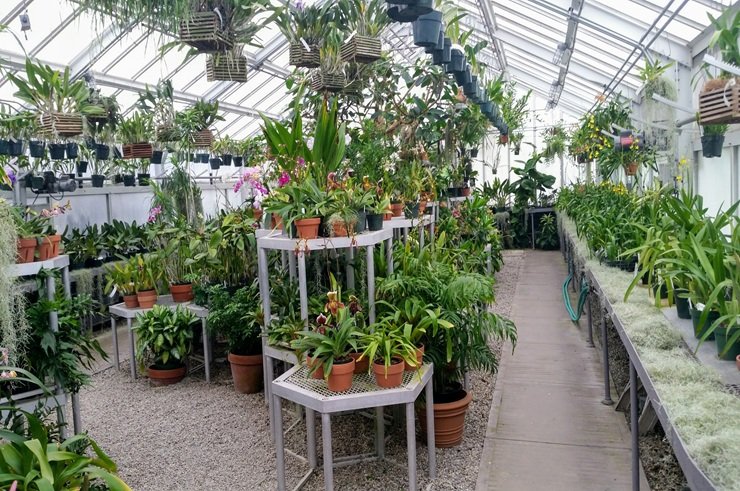
Indoor farming allows crops to be grown inside controlled environments such as warehouses, greenhouses, containers and specially designed growing rooms. Instead of relying completely on outdoor conditions, farmers can control important factors such as light, temperature, humidity, water and nutrients.
It is an interesting part of modern farming because it brings agriculture into environments where conventional farming may be difficult.
In this guide, we will explain what indoor farming is, how it works, its different types, benefits, practical examples, challenges and how beginners can get started.
What Is Indoor Farming?
Indoor farming is a method of growing crops inside an enclosed or controlled environment rather than relying entirely on open-field conditions.
Depending on the system, farmers can control:
- Temperature
- Humidity
- Light
- Water
- Nutrients
- Air circulation
- Growing conditions
Indoor farming can use different growing techniques, including soil-based growing, hydroponics and other soilless methods.
For example, a warehouse could use LED lights and a hydroponic system to grow lettuce throughout the year.
In simple words:
Indoor farming means growing crops inside a controlled environment where important growing conditions can be monitored and adjusted.
How Does Indoor Farming Work?
Indoor farming works by creating an environment where plants receive the conditions they need to grow.
#1. Choosing the Growing Space
An indoor farm can be established in different types of spaces, including:
- Warehouses
- Containers
- Greenhouses
- Basements
- Converted buildings
- Specialised growing rooms
The space needs to provide suitable conditions for the crops being grown.
#2. Providing Light
Plants need light for photosynthesis.
In fully indoor farms, artificial lighting such as LED grow lights can provide the required light.
The farmer can adjust the duration and intensity of lighting according to the crop and growing system.
#3. Supplying Water and Nutrients
Plants need water and nutrients to grow.
Indoor farms may use traditional soil or soilless systems.
Many commercial indoor farms use hydroponic farming, where plant roots receive water and nutrients without conventional soil.
#4. Controlling Temperature and Humidity
Indoor environments allow farmers to control temperature and humidity more closely than outdoor fields.
This can help create consistent conditions for crop growth.
#5. Monitoring the Plants
Sensors and digital systems can monitor conditions such as:
- Temperature
- Humidity
- Water levels
- Nutrient levels
- Light
- Carbon dioxide
Some systems can send information directly to a computer or smartphone.
This is where indoor farming can overlap with smart farming.
7 Powerful Benefits of Indoor Farming:
#1. Year-Round Crop Production
One of the biggest advantages of indoor farming is the ability to grow crops throughout the year.
Outdoor farming is strongly influenced by seasons and weather.
Inside a controlled environment, farmers can maintain suitable growing conditions even when outdoor conditions are unsuitable.
For example, leafy greens can potentially be grown during winter without waiting for the outdoor growing season.
#2. Protection From Extreme Weather
Outdoor crops can be affected by:
- Heavy rain
- Drought
- Strong winds
- Frost
- Heatwaves
- Hail
Indoor farming provides a physical barrier between crops and many outdoor weather conditions.
This does not eliminate every risk, but it can provide greater control over the growing environment.
#3. Efficient Use of Space
Indoor farms can make productive use of buildings and limited urban spaces.
Some systems grow plants in multiple stacked layers.
This approach is closely related to vertical farming.
By growing upwards instead of only across the ground, farmers can produce more crops within a limited footprint.
#4. Better Control Over Growing Conditions
Farmers can monitor and adjust environmental conditions according to the needs of their crops.
For example, if the temperature becomes too high, cooling systems can respond.
If humidity changes, ventilation or climate-control equipment can be adjusted.
This level of control can help create more consistent growing conditions.
#5. Efficient Water Management
Many indoor farms use recirculating water systems.
Hydroponic and other soilless systems can circulate water through the growing area rather than applying water in the same way as an outdoor field.
Water can still be lost through evaporation and plant transpiration, but recirculation can improve water-use efficiency.
#6. Reduced Dependence on Pesticides
Because indoor farms are enclosed, growers can have greater control over the growing environment and access to the crops.
This can reduce exposure to some outdoor pests.
However, indoor farms are not automatically pest-free. Pests and diseases can still enter controlled environments, so good hygiene and monitoring remain important.
#7. Farming Closer to Consumers
Indoor farms can be located close to towns and cities.
This can make it possible to grow certain fresh crops closer to the people who buy them.
For example, a small indoor farm near a city could supply local restaurants, shops or direct customers with fresh herbs and leafy vegetables.
This is particularly interesting as urban agriculture continues to develop.
Types of Indoor Farming
Indoor farming is a broad term that covers several different approaches.
#1. Indoor Hydroponic Farming
In indoor hydroponics, crops are grown without traditional soil.
Water containing nutrients is delivered directly to the roots.
Common crops include:
- Lettuce
- Basil
- Spinach
- Mint
- Coriander
- Kale
Read our complete guide to Hydroponic Farming to learn more about different hydroponic systems.
#2. Indoor Vertical Farming
Vertical farms grow crops in stacked layers.
This allows farmers to make better use of limited floor space.
For example, instead of having one horizontal growing layer, an indoor farm could have several growing levels.
You can learn more in our guide to Vertical Farming.
#3. Container Farming
Container farms use modified shipping containers or similar enclosed structures to create controlled growing environments.
They can be useful where a compact and transportable growing space is required.
However, energy use and setup costs need to be carefully considered
#4. Indoor Soil-Based Farming
Not all indoor farms use hydroponics.
Some growers use traditional soil or growing media inside controlled environments.
This can provide a more familiar growing method while still allowing the farmer to control environmental conditions.
#5. Controlled-Environment Agriculture
Indoor farming is often associated with controlled-environment agriculture (CEA).
CEA focuses on controlling environmental factors such as:
- Light
- Temperature
- Humidity
- Water
- Nutrients
- Air movement
Large commercial indoor farms may combine several technologies to create highly controlled production environments.
What Crops Can Be Grown Indoors?
Indoor farming is particularly suitable for crops that are compact, fast-growing and have relatively high market demand.
Common examples include:
- Leafy Greens
- Lettuce
- Spinach
- Kale
- Pak choi
- Swiss chard
- Herbs
- Basil
- Mint
- Coriander
- Parsley
- Chives
- Other Crops
Depending on the system, indoor farms can also grow:
- Strawberries
- Tomatoes
- Cucumbers
- Peppers
- Microgreens
Larger fruiting crops generally require more space, stronger lighting and careful environmental management.
Practical Examples of Indoor Farming
#Example 1: Indoor Lettuce Farm
Imagine a warehouse with several growing racks.
Lettuce is grown in hydroponic channels under LED lights.
Sensors monitor temperature, humidity and water conditions.
The farmer can adjust the growing environment according to the crop’s requirements.
Because the farm is indoors, production can continue regardless of whether it is raining, extremely hot or cold outside.
#Example 2: Urban Herb Farm
A small indoor farm near a city grows basil, mint and coriander.
The produce is supplied directly to nearby restaurants.
Because the farm is close to its customers, the business can focus on supplying fresh herbs rather than transporting them long distances.
#Example 3: Indoor Vertical Farm
A commercial facility uses multiple growing levels.
Plants are arranged vertically, allowing the farm to grow more crops within a limited floor area.
Automated lighting, irrigation and monitoring systems help manage the environment.
This combines the ideas of indoor farming, vertical farming and smart farming.
Indoor Farming vs Traditional Farming
| Feature | Traditional Farming | Indoor Farming |
| Growing environment | Outdoor | Controlled indoor environment |
| Sunlight | Natural | Natural and/or artificial |
| Weather exposure | High | Lower |
| Growing season | Often seasonal | Can be year-round |
| Soil | Usually used | May or may not be used |
| Water systems | Varies | Often controlled/recirculated |
| Space | Usually farmland | Buildings or enclosed spaces |
| Technology | Varies | Often technology-intensive |
| Environmental control | Limited | High |
Indoor farming offers greater environmental control, but that control comes with additional equipment, energy requirements and operating costs.
Indoor Farming vs Vertical Farming
These terms are sometimes used interchangeably, but they are not exactly the same.
Indoor farming describes where and under what conditions crops are grown.
Vertical farming describes how growing space is arranged, particularly when crops are grown in stacked layers.
Therefore, a vertical farm can be indoors, but indoor farming does not always have to be vertical.
Indoor Farming vs Hydroponic Farming
Hydroponics is a growing technique, while indoor farming describes a growing environment.
That means an indoor farm can use hydroponics, but it does not have to.
For example:
Indoor + Hydroponic = Indoor hydroponic farm
Indoor + Soil = Indoor soil-based farm
This distinction is useful when comparing different modern farming methods.
Advantages and Disadvantages of Indoor Farming
Advantages:
Year-round production
Greater control over growing conditions
Protection from many outdoor weather conditions
Efficient use of space
Can be located near urban markets
Potentially efficient water management
Suitable for controlled production
Can work alongside hydroponic and vertical systems
Disadvantages
High electricity requirements in many systems
Expensive lighting and climate-control equipment
High initial investment
Requires technical knowledge
Equipment maintenance is important
Power failures can affect crops quickly
Not every crop is economically suitable
Operating costs can be high
The biggest challenge is often finding the right balance between crop value, energy costs and production efficiency.
Is Indoor Farming Sustainable?
Indoor farming has potential sustainability benefits, but it is important not to assume that every indoor farm is automatically sustainable.
For example, recirculating water systems can improve water efficiency.
Growing food close to cities may also reduce the distance between farms and consumers.
On the other hand, fully indoor farms may require significant amounts of electricity for:
Lighting
Cooling
Heating
Ventilation
Water circulation
The sustainability of an indoor farm therefore depends heavily on its design, energy source, crop selection and operating efficiency.
Using renewable energy and efficient LED lighting can help reduce energy-related impacts.
Is Indoor Farming Profitable?
Indoor farming can be profitable, but the business model needs careful planning.
High-value crops such as herbs, microgreens and certain leafy vegetables can be attractive because they grow relatively quickly and may have strong local demand.
However, expenses can include:
Electricity
LED lighting
Climate control
Seeds
Nutrients
Water
Labour
Packaging
Rent
Equipment maintenance
Before starting a commercial indoor farm, it is important to calculate production costs and identify reliable customers.
A small farm supplying restaurants, shops or direct customers may have a different business model from a large commercial facility.
Indoor Farming in India
Indoor farming is becoming an interesting option for controlled food production in India, particularly in cities and areas where land is expensive or limited.
Potential applications include:
- Urban farms
- Indoor vegetable production
- Microgreen farms
- Herb production
- Restaurant supply
- Controlled-environment agriculture
However, energy costs, climate control, equipment availability and market demand need to be considered carefully.
For smaller farmers and entrepreneurs, starting with a small, high-value crop may be more practical than immediately investing in a large indoor facility.
How to Start Indoor Farming on a Small Scale
You do not need a huge warehouse to begin learning about indoor farming.
#Step 1: Choose a Suitable Crop
Start with crops that are relatively easy to manage and have local demand.
Leafy greens and herbs can be good starting points.
#Step 2: Select the Growing Method
Decide whether you want to use:
- Soil
- Hydroponics
- Growing media
- Vertical racks
If you are considering hydroponics, our Hydroponic Farming guide can help you understand the basics.
#Step 3: Set Up Lighting
If natural light is insufficient, install suitable grow lights.
LED lighting is commonly used in indoor growing systems.
#Step 4: Control Temperature and Humidity
Monitor the environment and keep conditions suitable for your chosen crop.
#Step 5: Start Small
Grow a small quantity first and track:
- Electricity use
- Water consumption
- Crop growth
- Labour
- Production costs
- Selling price
#Step 6: Expand Based on Results
Once the system works consistently and you have customers, you can gradually increase production.
Indoor Farming and Smart Technology
Technology plays an important role in modern indoor farms.
Sensors can monitor environmental conditions while automated systems can control certain aspects of the growing environment.
This is where indoor farming connects naturally with smart farming.
For example, a smart indoor farm might:
Monitor temperature → detect a change → adjust ventilation → notify the farmer.
More advanced systems can also use data analysis and AI to identify patterns in crop growth and environmental conditions.
The Future of Indoor Farming
Indoor farming is likely to continue developing as cities grow and farmers look for ways to produce food in controlled environments.
Future systems may combine:
- Artificial intelligence
- Robotics
- IoT sensors
- Automated harvesting
- Smart lighting
- Renewable energy
- Advanced hydroponic systems
However, technology is only part of the equation.
The future success of indoor farming will also depend on whether farms can produce crops at a cost that customers are willing to pay.
FAQs.
Q1. What is indoor farming in simple words?
Indoor farming is the practice of growing crops inside an enclosed or controlled environment where factors such as light, temperature, humidity, water and nutrients can be managed.
Q2. What crops are best for indoor farming?
Leafy greens, herbs and microgreens are commonly suitable. Depending on the system, crops such as strawberries, tomatoes, cucumbers and peppers can also be grown.
Q3. Is indoor farming the same as vertical farming?
No. Indoor farming refers mainly to the controlled environment, while vertical farming refers to growing crops in stacked layers. A farm can be both indoor and vertical.
Q4. Does indoor farming require sunlight?
Not necessarily. Fully indoor farms can use artificial grow lights, although farms that use greenhouses may combine natural sunlight with artificial lighting.
Q5. Is indoor farming expensive?
It can be. Lighting, climate control, equipment, electricity and infrastructure can make indoor farming more expensive than some traditional farming methods.
Q6. Can indoor farming be done at home?
Yes. Small indoor systems can be used to grow herbs, leafy greens and microgreens at home, provided there is suitable lighting and growing equipment.
Q7. Is indoor farming sustainable?
It can be, particularly when water is efficiently recycled and renewable energy is used. However, energy consumption can be a significant concern in fully indoor farms.
Related Article Modern Farming:
Continue exploring our Modern Farming series:
Modern Farming: 6 Innovative Farming Methods Changing Agriculture
Hydroponic Farming: 7 Key Benefits, Types, Examples & How It Works
Vertical Farming: 7 Key Benefits, Types, Examples & How It Works
Precision Farming: 7 Key Benefits, Technologies, Examples & How It Works
Smart Farming: 7 Key Benefits, Technologies, Examples & How It Works
Aquaponics: 7 Powerful Benefits, Types, Examples & How It Works
Conclusion:
Indoor farming offers a different way of thinking about agriculture.
Instead of depending entirely on outdoor fields and changing weather conditions, farmers can create a controlled environment where crops receive the conditions they need to grow.
It is not a perfect solution, and it comes with challenges — particularly energy use, equipment costs and the need for technical knowledge.
But when the right crops, technology and business model come together, indoor farming can provide an interesting opportunity for year-round food production, efficient use of space and farming closer to consumers.
For modern agriculture, it is less about replacing traditional farming and more about adding another option to the farmer’s toolbox.