
Agriculture provides the food people depend on every day, but farming practices can also affect soil quality, water resources, biodiversity and long-term farm productivity. Farmers are increasingly exploring methods that help them produce crops while managing natural resources responsibly.
Organic & sustainable farming includes practices that support soil health, use resources efficiently and reduce avoidable environmental impacts. Organic farming follows specific production standards, while sustainable farming is a broader approach that considers environmental, economic and social outcomes.
These approaches can overlap, but they are not exactly the same. A farmer can adopt sustainable practices without operating a certified organic farm.
In this guide, we will explore 12 farming methods, their practical applications; potential benefits, challenges and steps farmers can take to improve the long-term performance of their farms.
#1. What Is Organic & Sustainable Farming?
Organic and sustainable farming refers to agricultural approaches that aim to produce food while protecting soil, managing water responsibly and supporting long-term farm viability.
Organic farming generally emphasizes approved organic inputs, crop rotation, compost, biological pest management and restrictions on synthetic fertilizers and pesticides under the applicable organic standard.
Sustainable farming focuses more broadly on maintaining productive farms while managing environmental resources, operating costs, market needs and the well-being of farming communities.
Common practices include:
- Crop rotation
- Composting
- Cover cropping
- Mulching
- Integrated pest management
- Water-efficient irrigation
- Reduced soil disturbance
- Crop diversification
- Responsible nutrient management
- Habitat protection
The right combination depends on the farm’s soil, climate, available resources, crops and local regulations.
Sustainable Farming: 12 Methods, Benefits, Examples & Best Practices
#2. Difference Between Organic and Sustainable Farming
Although the terms are often used together, there are important differences.
| Feature | Organic Farming | Sustainable Farming |
| Main focus | Compliance with organic production standards | Long-term environmental, economic and social viability |
| Inputs | Restricted to those permitted by the applicable organic standard | Selected according to effectiveness, safety and sustainability goals |
| Soil management | Often emphasizes compost, rotation and organic matter | May combine organic matter management with other soil conservation methods |
| Pest control | Uses approved biological, cultural and other permitted methods | May use integrated pest management and other responsible approaches |
| Certification | May require certification to make regulated organic claims | No single universal certification applies to all sustainable farming |
| Main goal | Produce according to organic requirements | Maintain productive farming systems over time |
Organic farming can be sustainable, but the result depends on how the farm is managed. Likewise, a sustainable farm does not automatically qualify as organic.
#3. Why Organic & Sustainable Farming Matters
Farming decisions affect both current production and the condition of the land available for future growing seasons.
Organic and sustainable practices can help farmers address several challenges.
Maintaining soil quality: Adding organic matter and keeping soil covered can improve soil structure and help reduce erosion.
Using water efficiently: Irrigation scheduling, mulching and suitable irrigation systems can reduce avoidable water losses.
Managing pests responsibly: Crop rotation, monitoring and biological controls can help manage pests while reducing unnecessary pesticide use.
Controlling expenses: Better nutrient planning and reduced waste may lower certain production costs, although some practices require additional labour or investment.
Protecting biodiversity: Diverse crops, field margins and suitable habitat management can support beneficial organisms.
Supporting long-term productivity: Good soil, water and crop management can help farms remain productive, though results depend on local conditions and implementation.
#4. 12 Organic and Sustainable Farming Methods
1. Crop Rotation
Crop rotation means growing different crops in a planned sequence rather than repeatedly planting the same crop in the same field.
For example, a farmer might rotate a cereal crop with a suitable pulse crop. Different crops can have different nutrient requirements and pest or disease relationships.
Potential benefits include improved crop diversity, better nutrient planning and disruption of certain pest cycles.
Rotation plans should account for local growing seasons, crop diseases and market demand.
Read More Information: Crop Rotation: 10 Benefits, Types, Examples & Best Practices
2. Composting
Composting converts suitable organic materials, such as crop residues and properly managed animal manure, into a more stable soil amendment.
Mature compost can contribute organic matter and nutrients to soil. Its nutrient content varies according to the materials and composting process.
Farmers should manage moisture, aeration and temperature appropriately and avoid contaminated materials. Compost should be applied according to soil needs rather than assuming that more is always better.
3. Cover Cropping
Cover crops are planted primarily to protect and improve the soil rather than to produce the main marketable harvest.
Depending on the species and growing conditions, cover crops can help:
- Protect soil from erosion
- Suppress some weeds
- Add organic matter
- Capture nutrients that might otherwise be lost
- Support beneficial organisms
Legume cover crops can contribute nitrogen under suitable conditions, but the amount available to a following crop depends on biomass, decomposition and management.
4. Mulching
Mulching involves covering the soil surface with suitable organic or other materials.
Organic mulches may include straw, leaves and suitable crop residues. In some systems, approved biodegradable or conventional mulches may also be used.
Mulching can help conserve moisture, reduce soil temperature fluctuations and suppress certain weeds. However, the material and thickness should suit the crop and local climate.
5. Organic Nutrient Management
Organic nutrient management aims to supply crops with the nutrients they need through permitted materials and good soil management.
Methods may include compost, properly treated manure, green manure and other inputs allowed under the applicable organic standard.
Farmers should consider nutrient availability, timing and crop demand. Organic materials can also contribute nutrients in excess if applied without proper planning, so soil testing and nutrient budgeting remain useful.
6. Integrated Pest Management
Integrated pest management, or IPM, combines monitoring, prevention and suitable control measures to keep pests below economically damaging levels.
It may include:
- Regular crop inspections
- Pest identification
- Crop rotation
- Resistant varieties
- Physical controls
- Biological controls
- Carefully selected pesticides when appropriate
For organic farms, all pest-control products and practices must comply with the relevant organic standard.
7. Water-Efficient Irrigation
Water management is especially important in regions where rainfall is unreliable or groundwater resources are under pressure.
Practical options include drip irrigation, irrigation scheduling, leak repair, soil-moisture monitoring and suitable rainwater collection.
Drip irrigation can reduce some water losses, but its effectiveness depends on system design, maintenance, water quality and how irrigation is scheduled.
8. Reduced Soil Disturbance
Repeated or intensive tillage can contribute to erosion and the loss of soil structure in some conditions.
Reduced tillage or no-till systems can help protect soil structure and reduce erosion when properly managed. However, they may require changes in weed management, machinery and crop residue handling.
Some reduced-tillage systems use herbicides, so they may not meet the requirements of every organic production standard. Organic farmers need suitable compliant alternatives.
9. Green Manuring
Green manuring involves growing plants and incorporating or leaving their biomass in the field to improve soil management.
Suitable plants can add organic material, protect the soil and, in the case of certain legumes, contribute nitrogen.
The best species and timing depend on climate, available moisture and the main crop’s planting schedule.
10. Crop Diversification
Crop diversification means growing a range of crops instead of depending entirely on one crop or production system.
For example, a farm may combine cereals, pulses, vegetables and oilseeds across different fields or seasons.
Diversification can spread some production and market risks, but it also increases management complexity. Each crop needs an appropriate growing plan and a realistic market outlet.
11. Agroforestry
Agroforestry combines trees or shrubs with crops or livestock in a planned farming system.
Depending on the design, trees may provide shade, wind protection, fruit, timber or other products. Their roots and leaf litter can also influence soil and water conditions.
Tree spacing and species selection are important because poorly planned trees may compete with crops for light, water and nutrients.
12. Conservation of Beneficial Habitats
Farmers can protect or establish suitable field margins, flowering strips, hedgerows and other habitats where local conditions allow.
These areas may provide shelter or food for beneficial insects and other organisms.
Habitat planning should consider the crop, local biodiversity, invasive species risks and practical farm operations.
#5. Soil Health and Nutrient Management
Healthy soil supports root development, water movement and nutrient availability. Organic and sustainable farms can improve soil management by combining several practices.
- Test soil to understand nutrient levels and pH.
- Add compost or other suitable organic materials when needed.
- Rotate crops to diversify nutrient requirements.
- Keep soil covered where practical.
- Prevent erosion on exposed or sloping land.
- Apply nutrients according to crop requirements.
Soil improvement takes time. Farmers should monitor changes in soil condition and crop performance instead of relying on a single practice.
#6. Water Conservation Practices
Water availability can determine whether a farm is productive and financially viable.
Useful water-management practices include:
- Irrigating according to crop needs and soil moisture.
- Repairing leaks in irrigation systems.
- Using drip irrigation where suitable.
- Applying mulch to reduce evaporation.
- Collecting rainwater where permitted and practical.
- Improving drainage in fields affected by waterlogging.
- Selecting crop varieties suited to local water availability.
Water-saving measures should be evaluated against installation, maintenance and energy costs.
#7. Natural Pest and Weed Management
Organic and sustainable farming can use preventive methods to manage pests and weeds before they become serious problems.
Crop rotation, field monitoring, resistant varieties, mulching and mechanical weed control can all play a role. Biological controls may also be useful when the appropriate organisms and conditions are available.
Farmers should identify the pest or weed correctly before selecting a control method. Poor identification can lead to wasted money and ineffective treatment.
Remember that natural does not automatically mean harmless. Any pesticide or biological product should be selected and used according to its approved instructions and applicable regulations.
#8. Suitable Crops and Farming Systems
Many crops can be grown using organic or sustainable practices, provided their requirements match the farm’s conditions.
| Crop or system | Important consideration |
| Cereals | Soil fertility, water and weed management |
| Pulses | Suitable varieties, disease control and rotation planning |
| Vegetables | Frequent monitoring, nutrient supply and market access |
| Fruits | Orchard planning, pollination and long-term maintenance |
| Oilseeds | Variety selection, seasonal conditions and market demand |
| Herbs and spices | Product quality, processing and buyer requirements |
| Greenhouse crops | Ventilation, irrigation, energy and setup costs |
Read More related Information, About Crop Farming, Organic Crop Farming, Vegetable Farming and Pulse Farming.
#9. Benefits of Organic & Sustainable Farming
When appropriately managed, these approaches may offer several benefits.
Improved soil management: Compost, cover crops and crop residues can help maintain soil organic matter.
Reduced erosion: Soil cover and suitable conservation methods can protect exposed soil.
Better resource planning: Soil testing, irrigation scheduling and nutrient budgeting can reduce waste.
Crop diversity: Growing different crops can reduce dependence on a single product.
Potential market opportunities: Some customers seek organic or sustainably produced products, although demand and price premiums vary by market.
Long-term farm planning: Practices that conserve soil and water can support the continued use of agricultural land.
These benefits are not automatic. Outcomes depend on climate, soil, management quality, investment and the practices selected.
#10. Challenges and Limitations
Organic and sustainable farming also presents challenges that farmers should consider before changing their production system.
- Transition costs: Changes in equipment, inputs and management may require investment.
- Labour requirements: Weeding, compost handling and diversified cropping can require additional labour.
- Pest pressure: Some pests and diseases can be difficult to manage without suitable preventive measures.
- Nutrient availability: Organic nutrient sources may release nutrients more slowly or inconsistently.
- Market access: Organic or specialty produce may require specific buyers, handling or certification.
- Certification costs: Organic certification requirements vary by country and production system.
- Variable results: Yield and cost outcomes depend on local conditions and implementation.
Farmers should compare the likely costs and benefits before making major changes.
#11. How to Start an Organic and Sustainable Farm
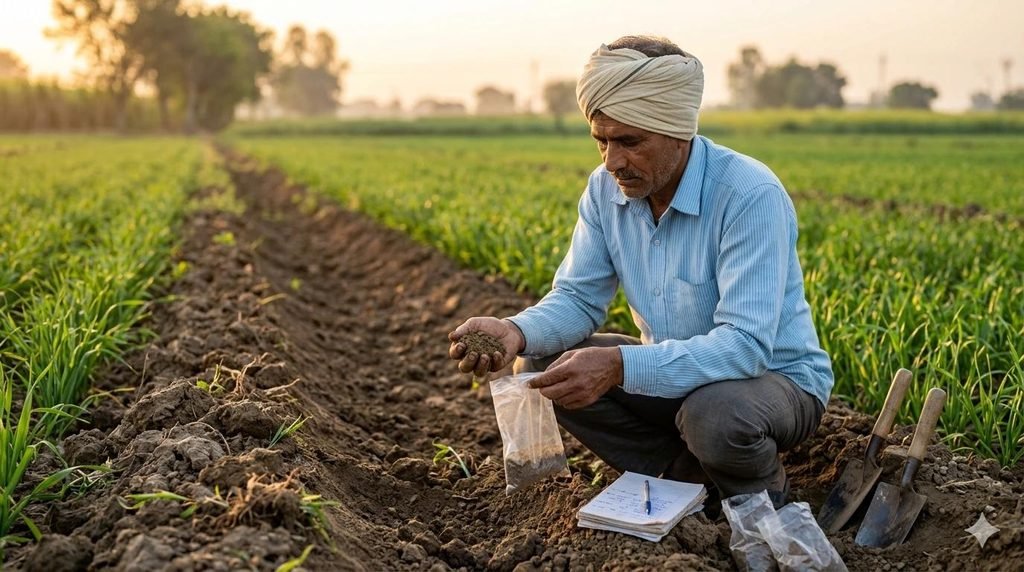
Step 1: Assess the farm
Check soil, water availability, drainage, climate, existing crops and the resources available for farming.
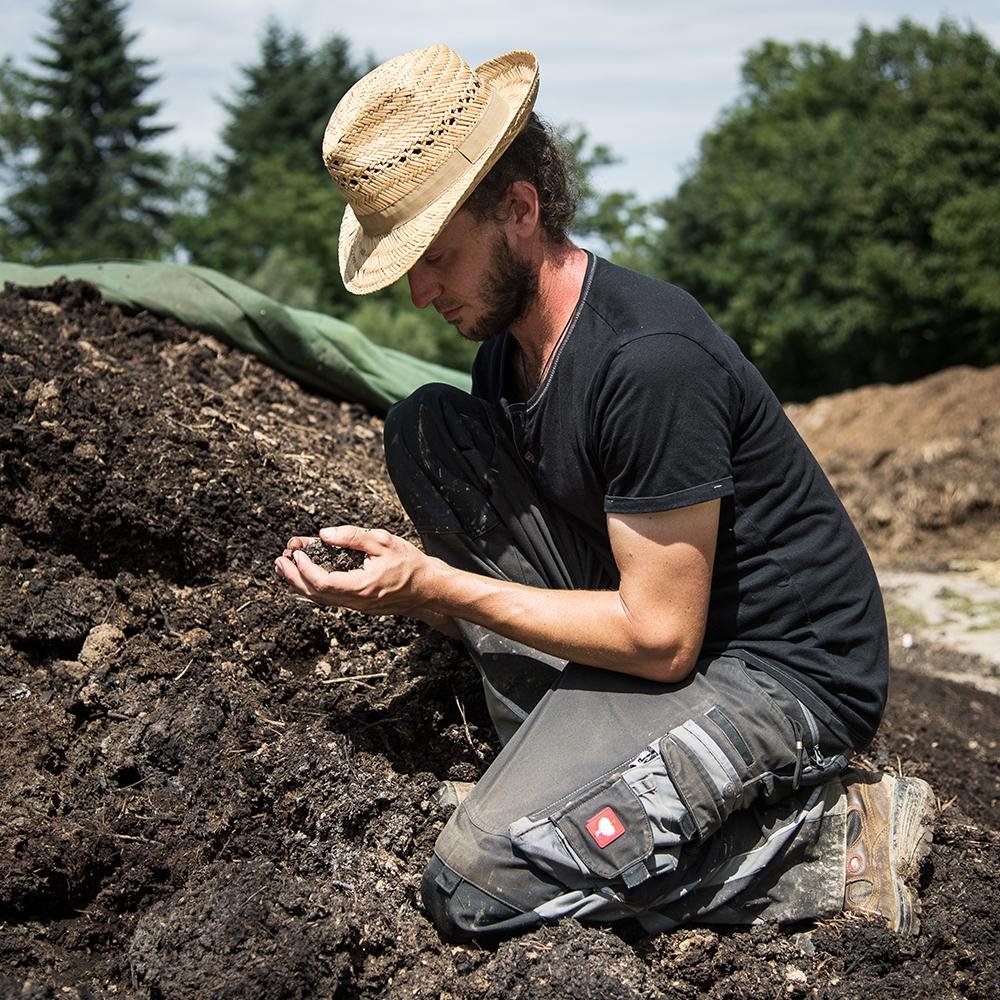
Step 2: Improve soil management
Develop a plan for crop rotation, compost, nutrient management and soil cover according to local conditions.
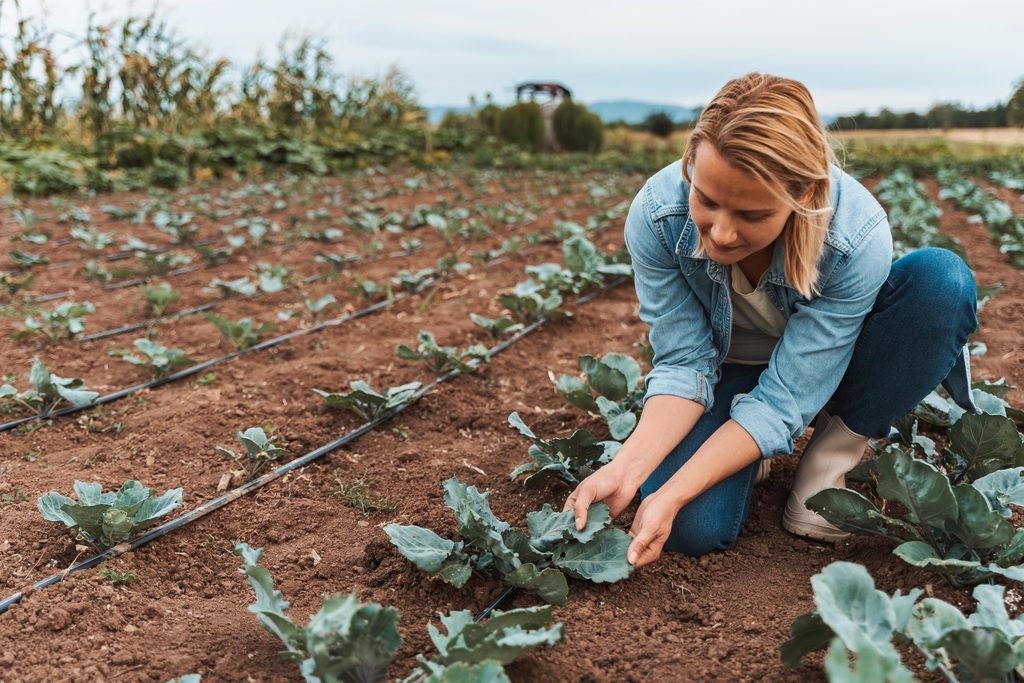
Step 3: Plan water and pest management
Select suitable irrigation practices and create a regular crop-monitoring schedule.
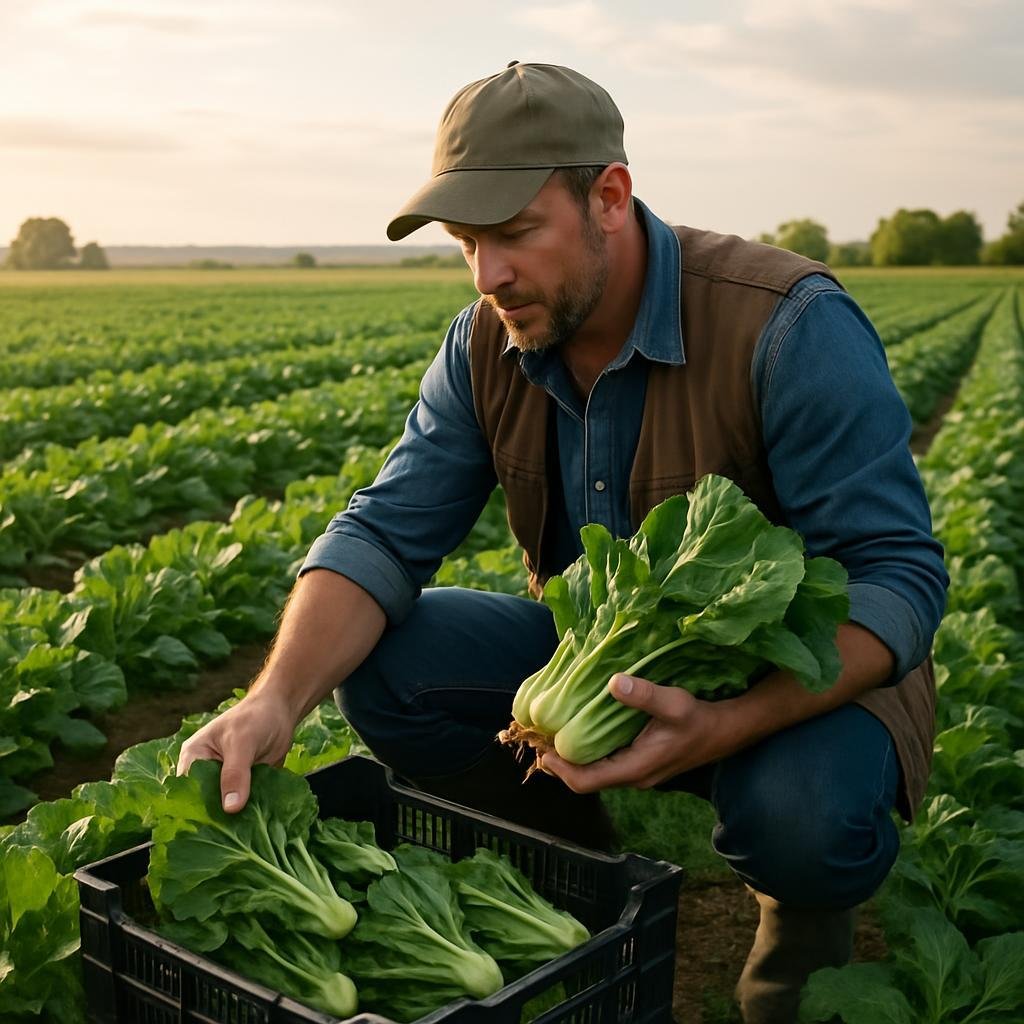
Step 4: Identify customers
Research local markets, wholesalers, retailers and other potential buyers before choosing crops.
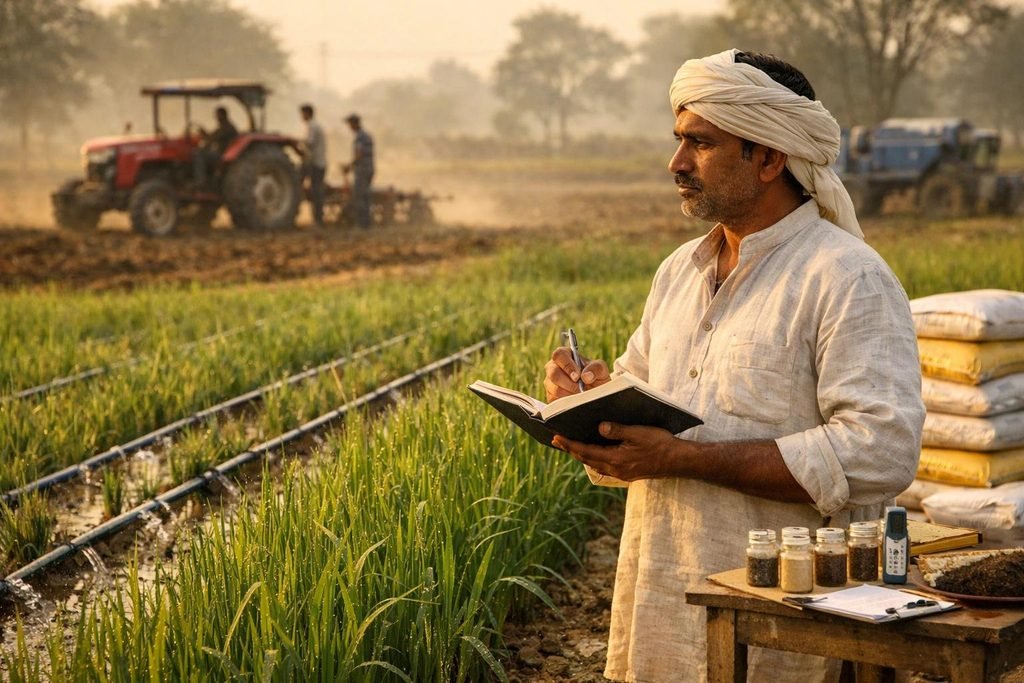
Step 5: Track costs and results
Record expenses, yields, labour, water use and sales. Use these records to improve future decisions.
If you intend to sell produce as certified organic, check the applicable certification rules before making organic claims.
#12. Practical Farming Examples
Example 1: Cereal and Pulse Rotation
A farmer grows wheat in one season and a suitable pulse crop in a following season. The rotation may diversify production and help interrupt certain crop-specific pest cycles. The actual benefit depends on crop selection, soil conditions and management.
Example 2: Vegetable Farming With Mulching
A vegetable grower uses suitable mulch to protect the soil surface and reduce evaporation. The grower monitors moisture and adjusts irrigation instead of watering on a fixed schedule regardless of conditions.
Example 3: Compost and Crop Residues
A farmer composts suitable organic materials and returns the finished compost to the field according to soil and crop requirements. This can recycle nutrients and contribute organic matter.
Example 4: Diversified Farm Production
A farm grows cereals, pulses and seasonal vegetables instead of depending on one crop. The farmer plans separate production schedules and identifies buyers for each crop.
These examples illustrate possible approaches rather than guaranteed improvements in yield or income.
#13. Common Mistakes to Avoid
- Treating organic and sustainable farming as identical concepts.
- Applying compost or manure without considering nutrient requirements.
- Selecting crops without researching local demand.
- Using water inefficiently.
- Expecting immediate soil improvement after changing practices.
- Assuming every natural input is safe or approved for organic production.
- Ignoring labour, storage and transportation costs.
- Claiming products are certified organic without meeting the relevant standard.
FAQs.
Q1. What is organic and sustainable farming?
It refers to farming approaches that emphasize responsible resource use and long-term farm viability. Organic farming follows defined production standards, while sustainable farming is a broader concept.
Q2. Is organic farming always sustainable?
Not automatically. Sustainability also depends on factors such as soil conservation, water use, biodiversity, production efficiency, economic viability and local conditions.
Q3. Which methods are used in sustainable farming?
Common methods include crop rotation, cover cropping, composting, mulching, integrated pest management, efficient irrigation, reduced soil disturbance and agroforestry.
Q4. Can sustainable farming reduce costs?
It can reduce some expenses over time, but certain practices require additional labour or investment. Farmers should compare total costs and results under their own conditions.
Q5. Is certification required for organic farming?
Requirements depend on the country, intended market and applicable rules. Farmers selling products with regulated organic claims should verify the relevant requirements.
Q6. Which crops are suitable for organic farming?
Cereals, pulses, vegetables, fruits, oilseeds and many other crops may be grown organically. Suitability depends on climate, soil, pest pressure, available inputs and market demand.
Conclusion:
Organic and sustainable farming can help farmers manage soil, water, nutrients and biodiversity while maintaining a productive agricultural business. Practices such as crop rotation, composting, cover cropping, mulching and integrated pest management can contribute to these goals when applied appropriately.
There is no single method that works equally well on every farm. The most practical approach is to understand local conditions, choose suitable practices, monitor results and make adjustments based on evidence.
By combining responsible resource management with realistic financial planning, farmers can work toward a farming system that meets today’s needs while protecting the resources required for future production