
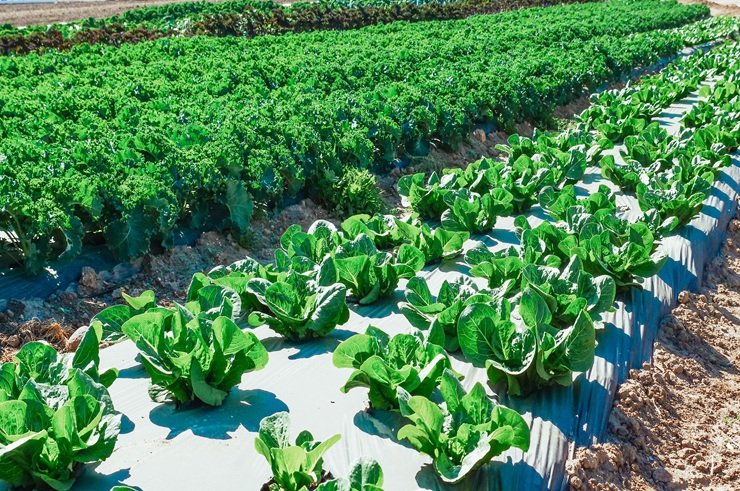
Choosing the right crop is one of the most important decisions in a farming business. Some crops offer quick harvests, while others require more time, investment and careful management. A crop that performs well in one region may not be suitable for another because soil, climate, water availability and market demand can differ significantly.
Farmers should not select crops based only on their selling price. The cost of seeds, fertilizers, labour, irrigation, harvesting, transportation and storage also affects the final profit.
In this guide, we explore 15 crops that may offer commercial opportunities and explain how to evaluate their suitability for your farm.
#1. What Are Profitable Crops?
Profitable crops are crops that can generate revenue greater than their total production and marketing costs under suitable growing and market conditions.
For example, a crop with a high selling price may still produce a low profit if it requires expensive inputs or suffers from low yields. Similarly, a crop with a moderate price may perform well when production costs are manageable and demand is reliable.
Before choosing a crop, consider:
- Expected yield per acre
- Local market selling price
- Seed and planting material costs
- Fertilizer and crop protection costs
- Labour and irrigation requirements
- Harvesting and transportation costs
- Time required before receiving income
- Risk of crop loss or price fluctuations
#2. 15 Best Crops for Profit
The following crops are worth evaluating for a farming business. Their actual profitability depends on your location, production system and access to buyers.
#1. Tomato
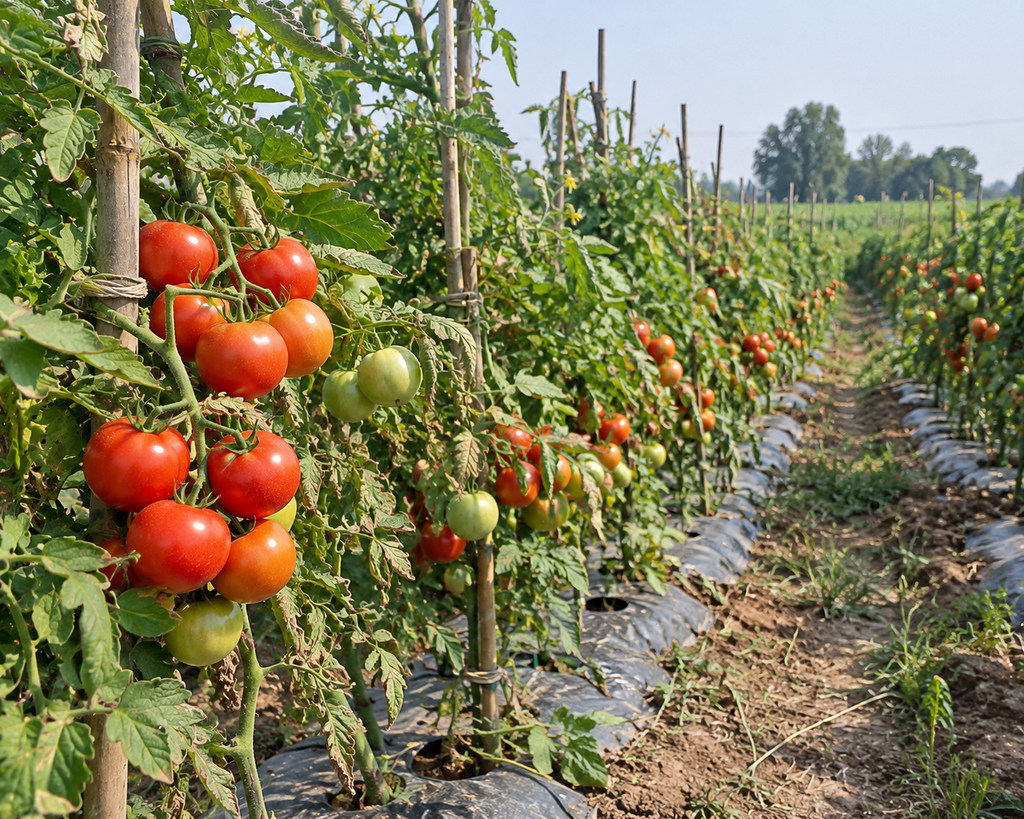
Tomatoes are widely used in households, restaurants and food processing. They can be grown in open fields or protected structures where conditions are suitable.
Why consider tomatoes?
- Regular demand in many markets
- Multiple varieties for different uses
- Potential for repeated harvesting
- Opportunities to supply retailers and food businesses
Costs to consider: Seedlings, fertilizer, irrigation, crop protection, staking where needed, labour, harvesting and transport.
Tomatoes are perishable, and prices can fluctuate sharply. Identify potential buyers before planting a large area.
#2. Chilli
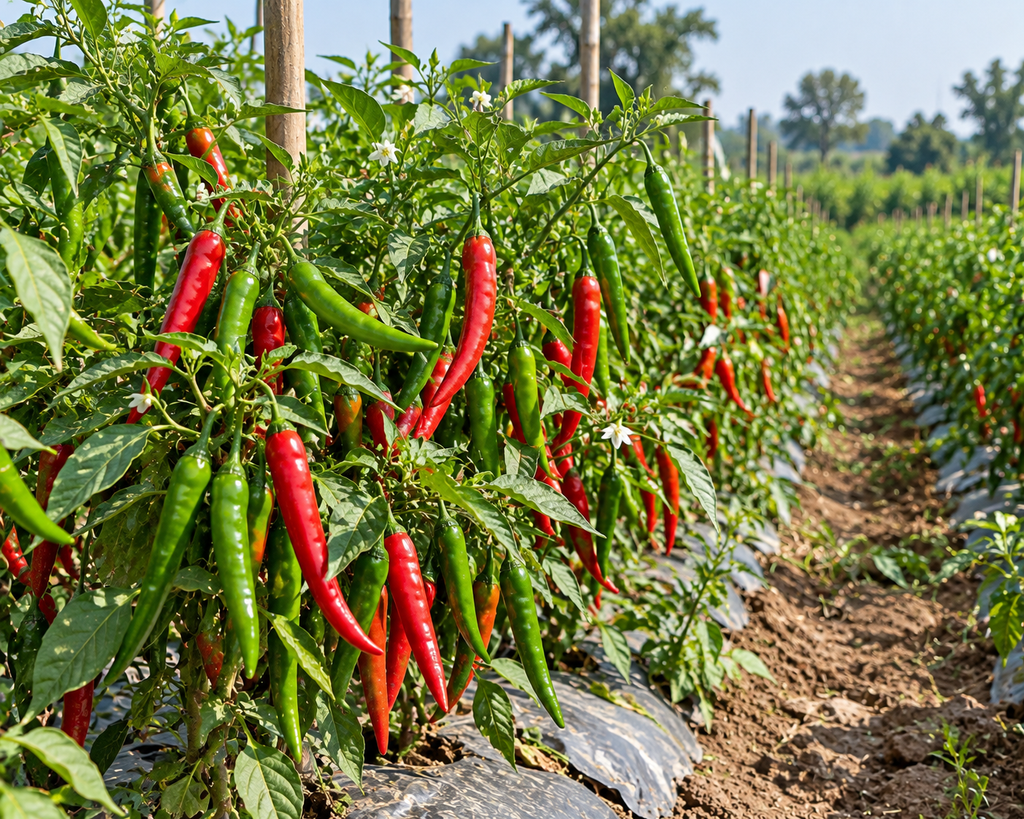
Chilli is used fresh, dried and in processed food products. Farmers may choose green chilli or varieties intended for drying, depending on local demand.
Profitability depends on variety, quality, yield, drying facilities and selling prices. Pest management and suitable harvesting practices are important.
#3. Onion
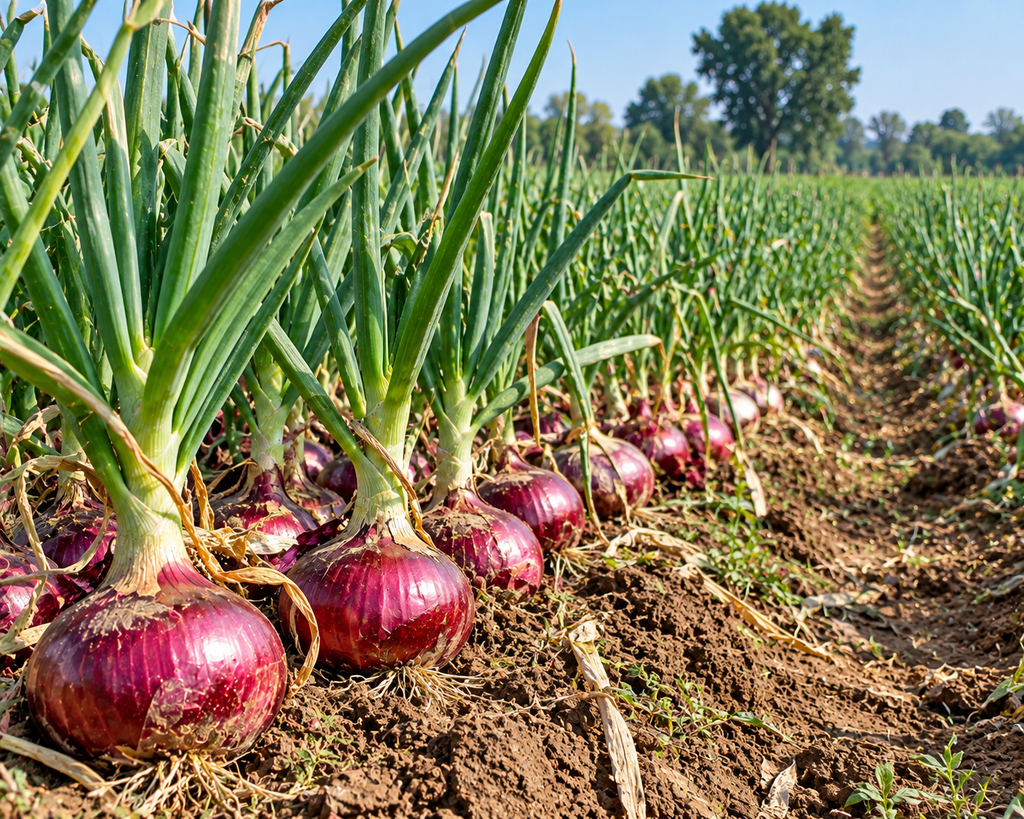
Onions are a staple ingredient in many cuisines and are cultivated commercially in numerous regions.
Key considerations include:
- Suitable variety and planting season
- Bulb size and quality
- Irrigation and nutrient management
- Harvesting and curing
- Storage and market timing
Storage can create selling flexibility where facilities and market conditions support it, but poor storage can cause significant losses.
#4. Potato
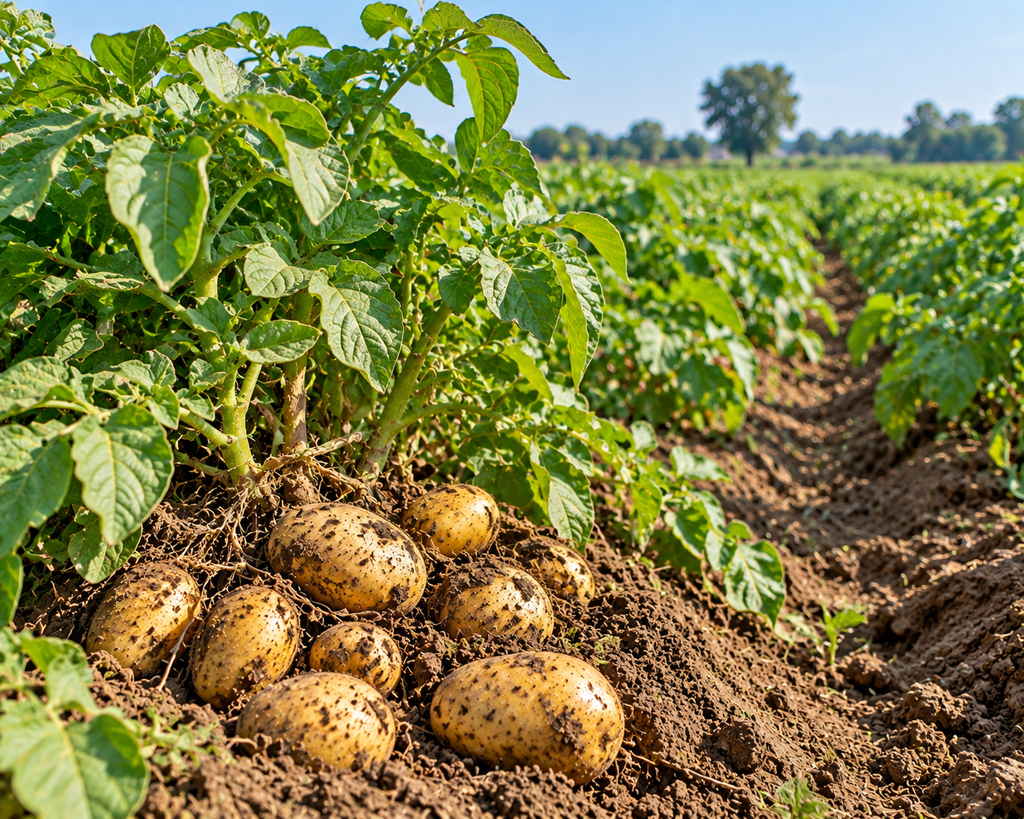
Potatoes are used for household consumption, restaurants and food processing. Farmers can investigate opportunities with wholesalers, retailers and processors.
Production costs may include seed potatoes, fertilizers, irrigation, crop protection, harvesting and storage. Disease management and access to quality planting material are important.
#5. Garlic
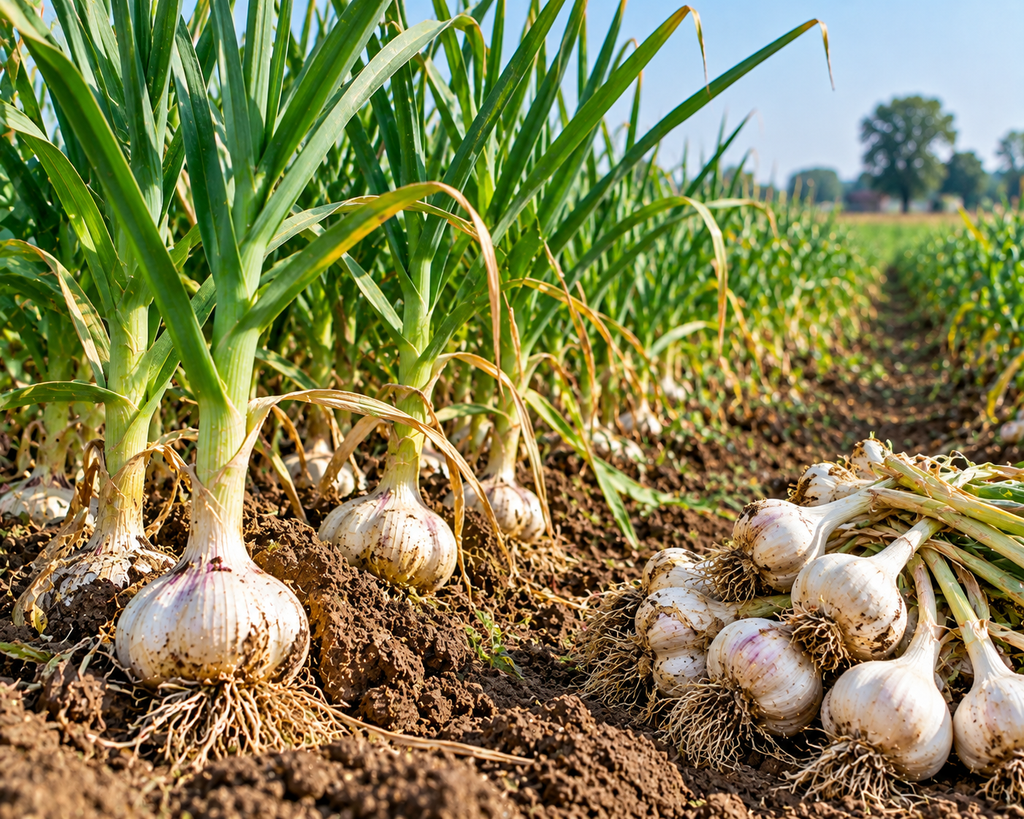
Garlic is used as a culinary ingredient and can be sold fresh or stored under appropriate conditions.
Potential opportunities include wholesale markets, retailers and local food businesses. However, seed bulb costs, labour requirements, curing, storage and seasonal price changes must be considered.
#6. Ginger
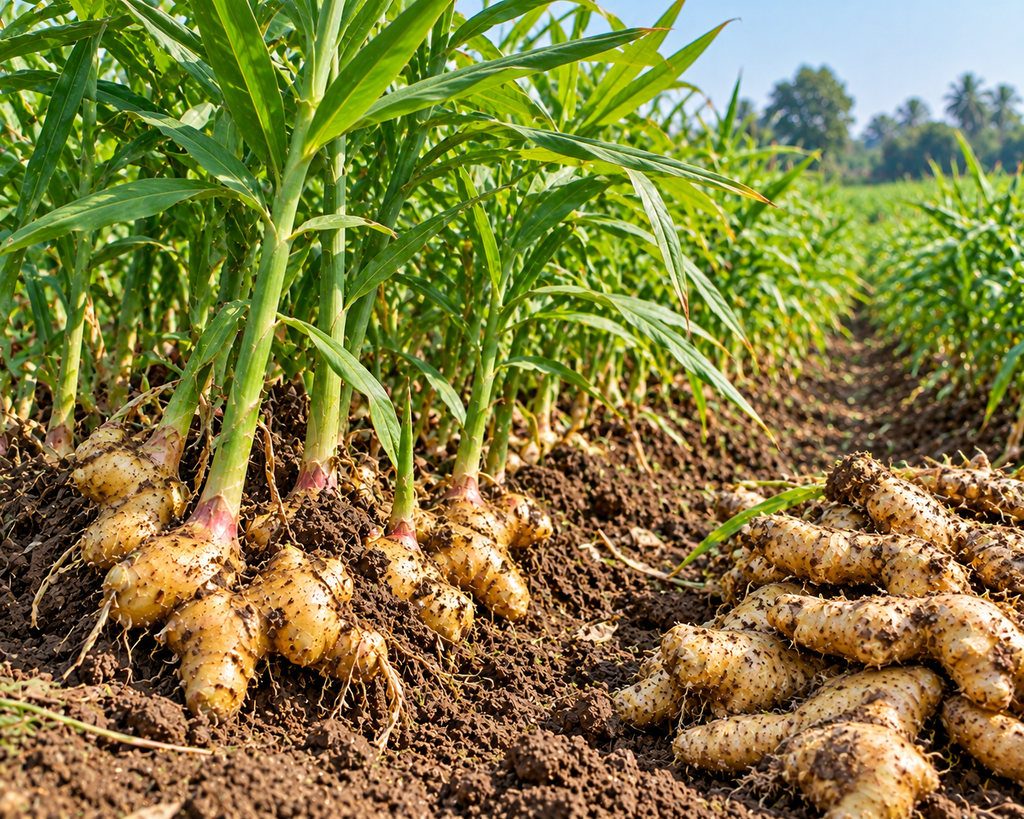
Ginger is used in cooking, beverages and food processing. It may suit regions with appropriate growing conditions and sufficient moisture.
Farmers should evaluate planting material costs, soil drainage, disease risks, crop duration and buyer demand before investing
#7. Turmeric
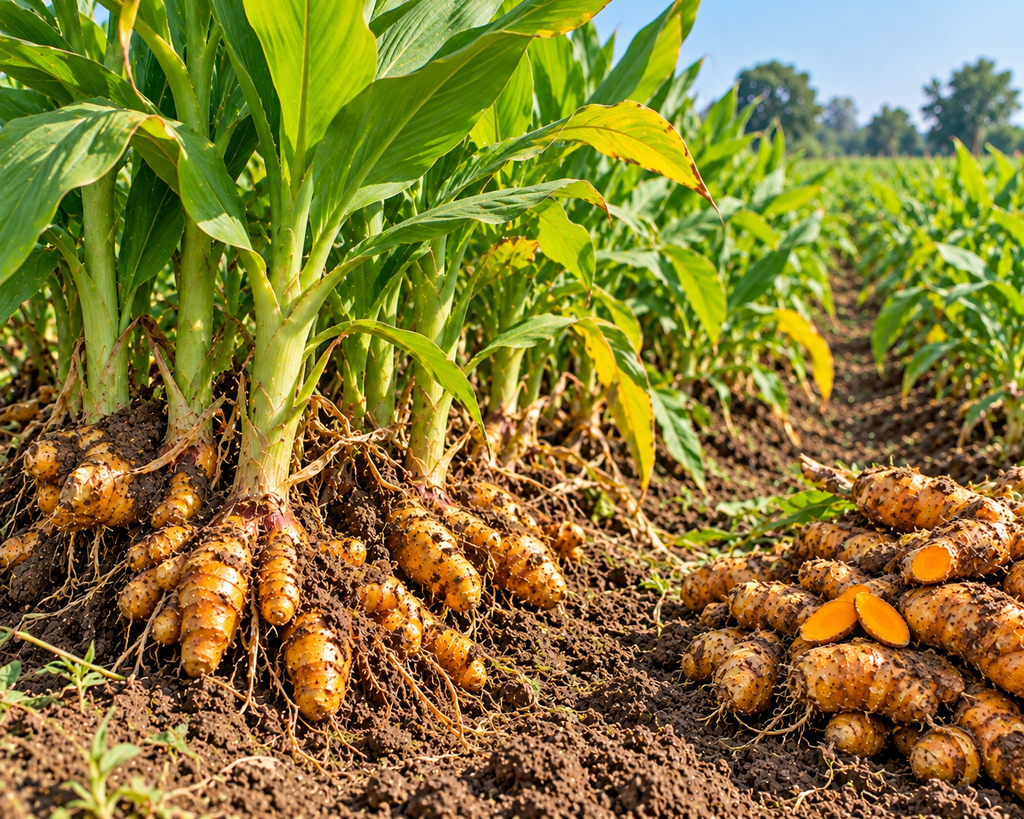
Turmeric is cultivated for its rhizomes, which can be processed into dried turmeric and powder.
Possible expenses include planting material, labour, irrigation, harvesting, boiling or curing where required, drying and processing. Access to quality processing and reliable buyers may influence returns.
#8. Coriander
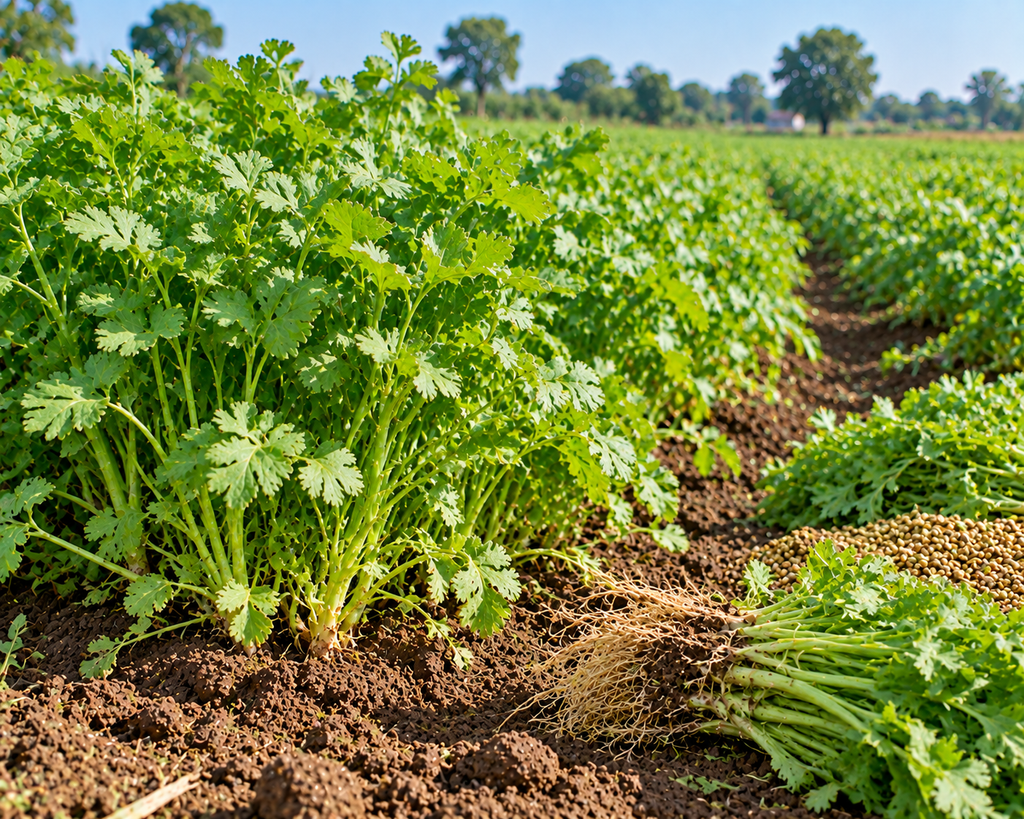
Coriander can be grown for fresh leaves or for its seeds, but these are different production goals.
Before planting, decide whether you want to sell fresh coriander or dried seed. Each option has different harvesting methods, production periods and market requirements.
#9. Spinach
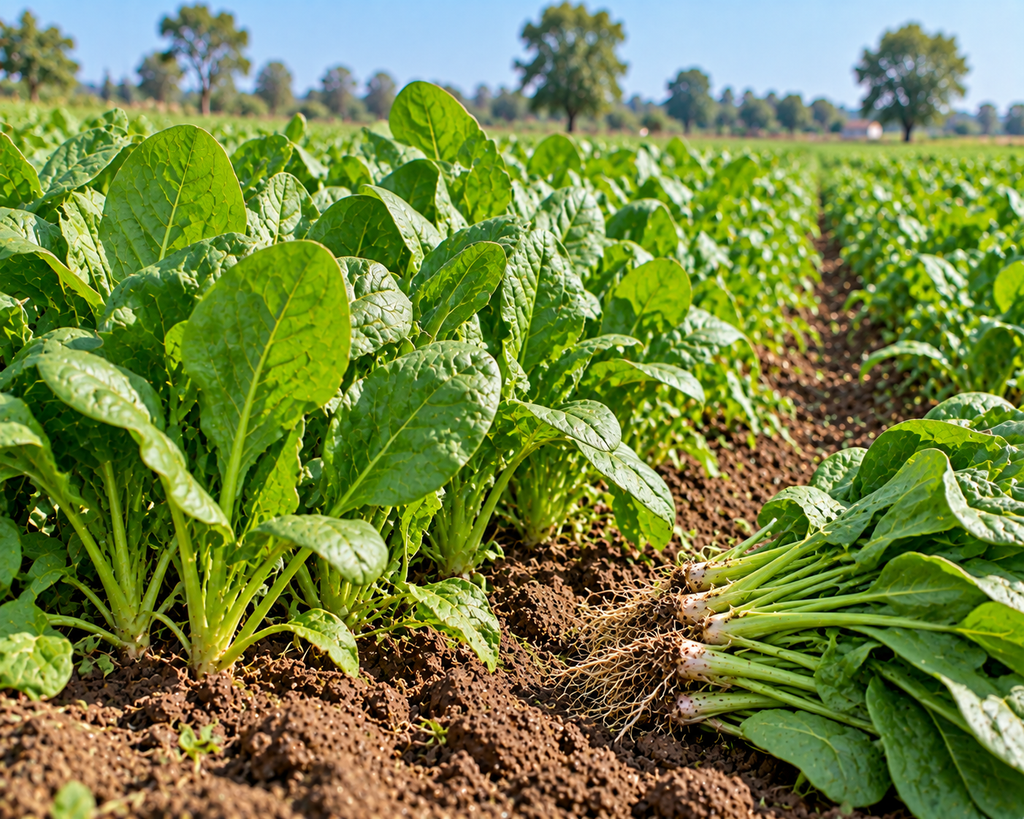
Spinach and other leafy vegetables may offer short production cycles in suitable climates. They can be sold to vegetable markets, retailers, restaurants and local customers.
Frequent harvesting may be possible depending on the variety and cultivation method. Because leafy vegetables are perishable, quick transportation and dependable buyers are important.
Read More About: Vegetable Farming: Types, Methods, Benefits, Crops & Complete Guide
#10. Okra
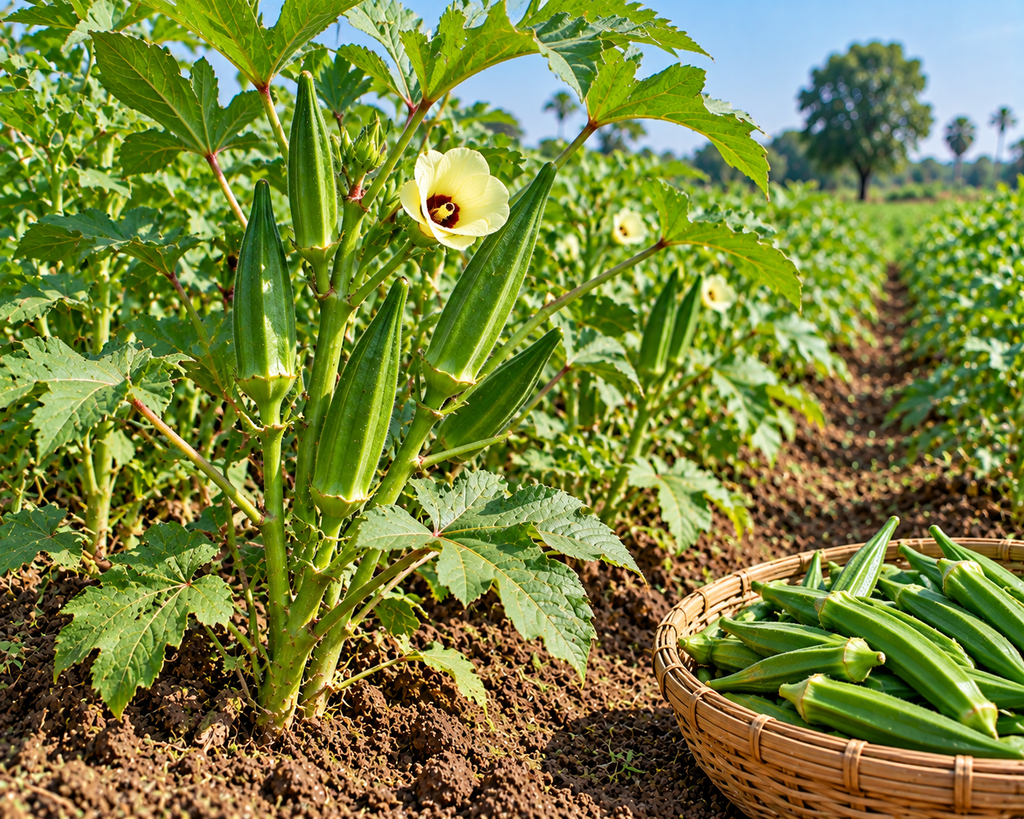
Okra is a popular vegetable crop in many warm regions. It can provide repeated picking during the harvest period when conditions are suitable.
Farmers should consider the local growing season, labour required for picking, pest management and market access. Regular harvesting is important for maintaining marketable quality.
#11. Chickpea
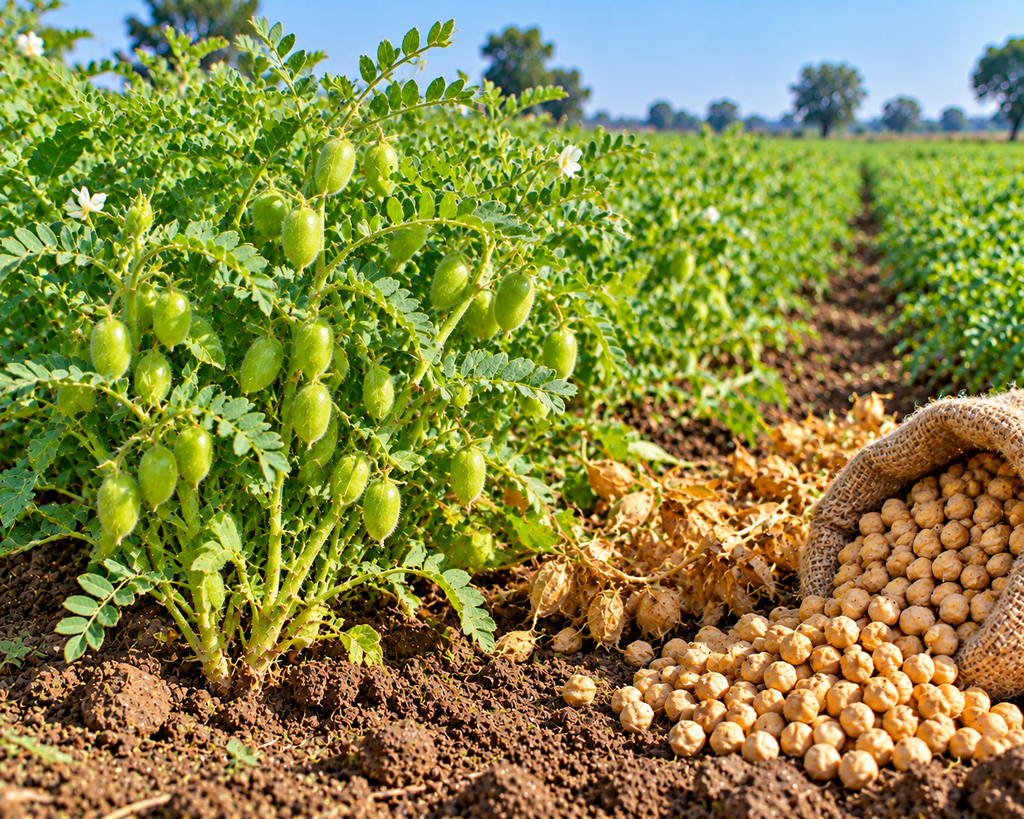
Chickpea is an important pulse crop used in household food products and commercial food processing.
Its suitability depends on climate, soil, available moisture and disease pressure. As a pulse crop, it can also be part of a planned crop rotation.
Read More Information about Pulse Farming
#12. Soybean
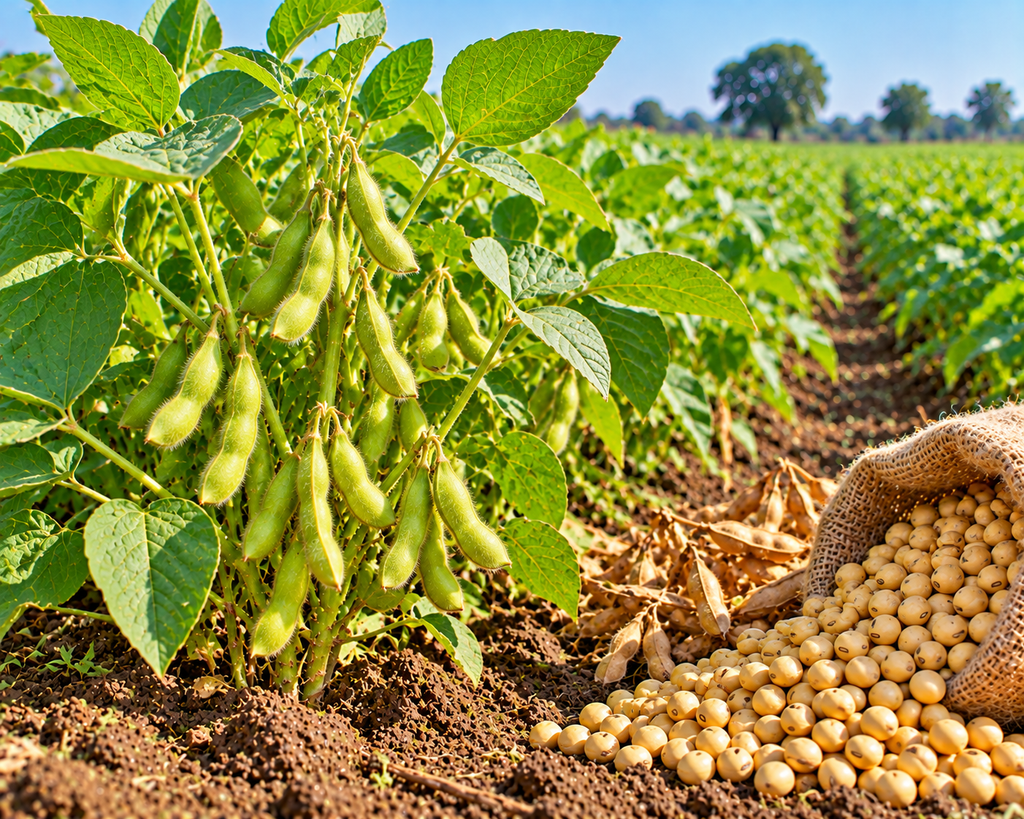
Soybean is grown for food products, oil production and animal feed. It may be suitable for farms with appropriate growing conditions and access to grain buyers or processors.
Before planting, check locally recommended varieties, input requirements, expected yield, harvesting costs and the price offered by buyers.
#13. Mustard
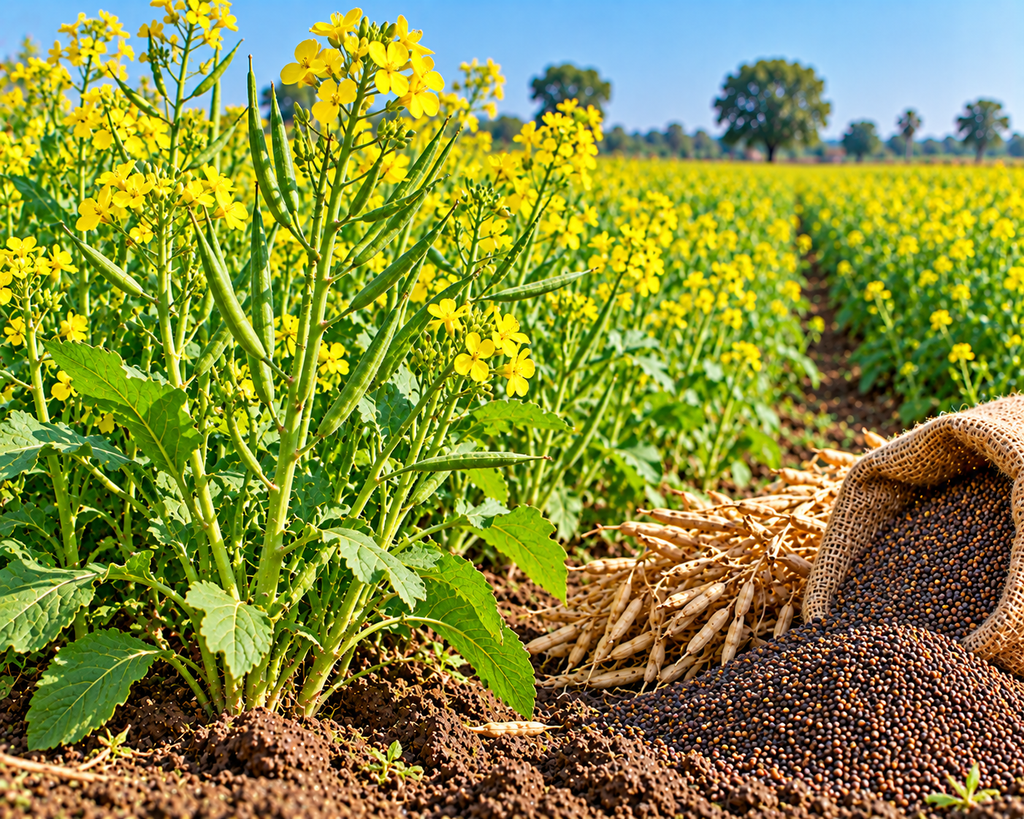
Mustard is grown for its oil-rich seeds and has established markets in many agricultural regions.
Its performance depends on variety, weather, soil moisture, pest management and market price. Farmers can compare mustard with other locally suitable winter crops before deciding how much land to allocate.
#14. Strawberry
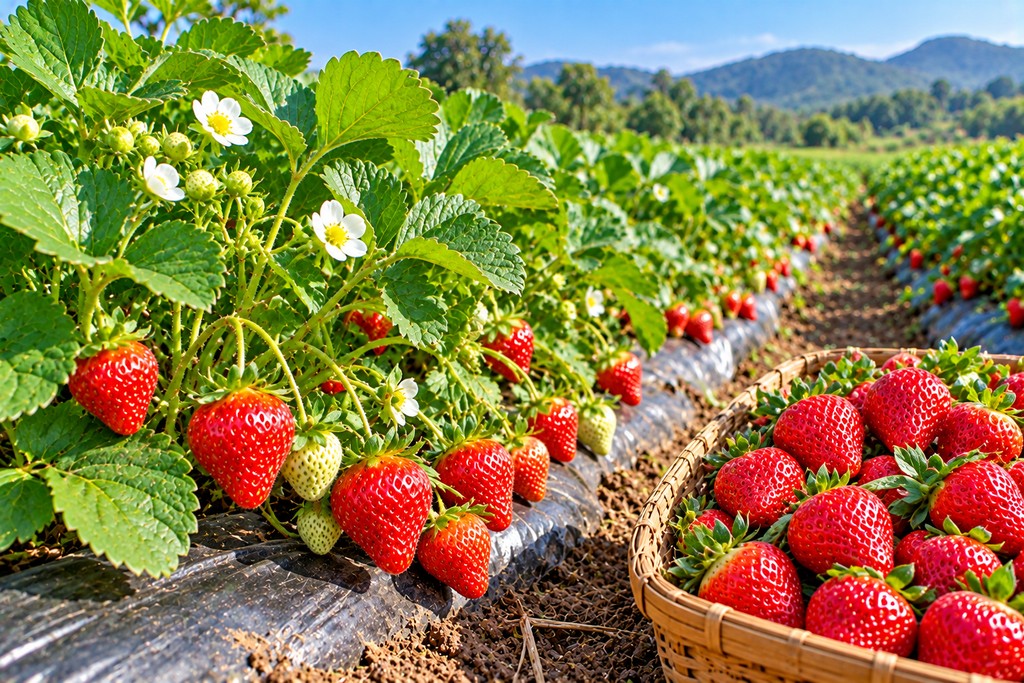
Strawberries may offer opportunities for farms close to premium retailers, restaurants or direct-to-consumer markets.
They often require careful variety selection, suitable growing conditions, timely picking, careful handling and rapid delivery. Protected cultivation may be useful in some locations, but it can increase initial investment
#15. Marigold
Marigold is a commercial flower crop that may serve religious ceremonies, weddings, decoration businesses and flower markets.
Potential returns depend on local demand, flowering time, labour, transportation and the availability of buyers. Flower crops can be particularly sensitive to timing and unsold produce.
#3. Factors That Affect Crop Profitability
Even a high-demand crop may not be profitable if production expenses are too high. Evaluate these factors before investing.
| Factor | Why it matters |
| Soil and climate | Affect crop suitability and yield |
| Water availability | Determines irrigation needs and costs |
| Input prices | Affect total production expenses |
| Market demand | Influences how easily produce can be sold |
| Selling price | Directly affects revenue |
| Harvesting and labour | Can be major recurring costs |
| Storage and transport | Influence product quality and losses |
| Crop duration | Determines how long capital remains tied up |
#4. How to Calculate Crop Farming Profit
Use these simple formulas:
Total Revenue = Quantity Sold × Selling Price
Net Profit = Total Revenue − Total Costs
For example, suppose a farmer sells a crop for ₹1,20,000 and spends ₹80,000 on production and marketing.
- Total revenue: ₹1,20,000
- Total costs: ₹80,000
- Estimated net profit: ₹40,000
These figures are illustrative, not a forecast. A complete calculation should include all relevant expenses, including equipment use, land rent where applicable, storage, transport and losses.
Read more Information about Farming Cost and Profit
#5. Best Crops for Small Farms
Small farms may benefit from choosing crops that suit their available land, labour and customer base.
Options worth investigating include:
- Spinach and other leafy vegetables
- Coriander
- Chilli
- Tomato
- Garlic
- Specialty flowers
- Strawberries in suitable climates
Small-scale farmers can also explore direct sales to households, restaurants and local retailers. However, a small farm still needs reliable buyers and careful cost management.
#6. Best Crops for Beginners
If you are new to farming, consider starting with a crop that has locally proven cultivation practices and an accessible market.
Before planting, speak with local farmers, agricultural extension officers or relevant agricultural universities. Ask about recommended varieties, seasonal timing, common pests, expected input requirements and recent local market conditions.
Starting with a manageable area can help you learn about production costs and demand before expanding.
#7. How to Choose the Right Crop
Follow these steps before making your decision:
- Check your soil: Understand soil type, drainage and nutrient conditions.
- Assess water availability: Confirm that the crop’s irrigation needs can be met.
- Research local demand: Identify wholesalers, retailers, processors or direct customers.
- Estimate all expenses: Include inputs, labour, harvesting and marketing.
- Compare alternatives: Evaluate at least two or three suitable crops.
- Plan for losses: Consider weather, pests, disease and price fluctuations.
- Confirm your sales channel: Whenever possible, identify potential buyers before planting.
Your best crop is not necessarily the one with the highest selling price. It is the crop that best matches your resources, local conditions and realistic market opportunities.
#8. Common Mistakes to Avoid
- Choosing a crop based only on a high market price
- Planting without researching local demand
- Ignoring labour and transportation costs
- Investing in equipment before calculating its value
- Growing a crop without suitable water access
- Planting a large area without understanding production risks
- Assuming last season’s prices will continue
- Failing to account for post-harvest losses
FAQs.
Q1. Which crop is most profitable to grow?
There is no single crop that is most profitable everywhere. Vegetables, spices, pulses, oilseeds, fruits and flowers can all offer opportunities under suitable conditions.
Q2. Which crops have short growing cycles?
Some leafy vegetables, radishes and certain other vegetables can be harvested relatively quickly. The exact growing period depends on the variety, climate and cultivation method.
Q3. Are high-value crops always more profitable?
No. High-value crops can require more labour, specialized equipment, careful handling or expensive inputs. Profit should be calculated after all costs.
Q4. Can I grow profitable crops on a small farm?
Yes, depending on the crop, local demand, available labour and production costs. Small farms may explore specialty vegetables, herbs, flowers or direct-to-consumer sales.
Q5. How can I identify profitable crops in my area?
Check local mandi prices, consult agricultural extension services, speak with experienced farmers and contact potential buyers. Compare recent selling prices with realistic estimates of yield and production expenses.
Conclusion:
The best crops for profit depend on more than their market price. Soil, climate, water, production costs, labour, crop duration and buyer access all influence the final result.
Before starting, compare suitable crops using realistic revenue and cost estimates. Begin at a manageable scale, track your results and expand only when your production and marketing plan supports it.
Agriculture can provide business opportunities, but profitability should be evaluated using local data rather than assumed from a crop’s popularity.