
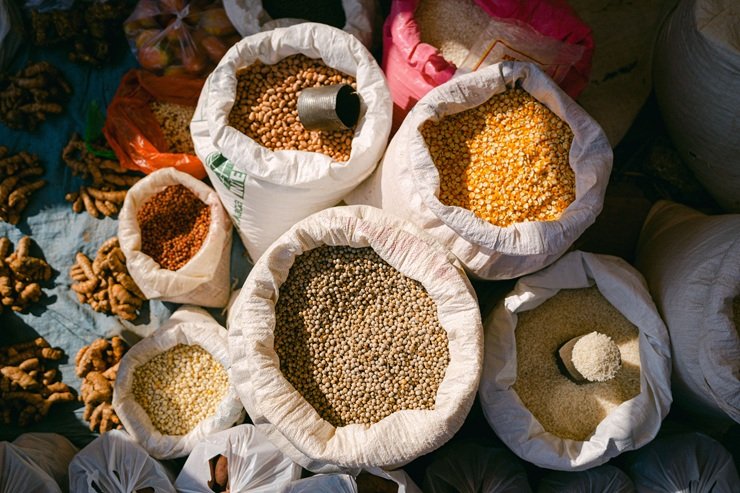
Pulse farming is the cultivation of crops that produce edible dry seeds from legume plants. Pulses are an important part of agriculture because they provide plant-based protein and can also play a useful role in crop rotation and soil management.
Common pulse crops include chickpea, lentil, pigeon pea, mung bean, black gram, field pea, cowpea, kidney bean, faba bean and moth bean.
Unlike cereal crops such as wheat, rice and maize, pulses belong to the legume group. Many legumes have a relationship with soil bacteria that can help with biological nitrogen fixation, although the actual benefit depends on the crop, bacteria, soil conditions and farm management.
Pulse farming can be carried out on small farms as well as commercial agricultural operations. Farmers usually select pulse crops based on local climate, soil, water availability, growing season and market demand.
For example, a farmer with limited irrigation may consider a pulse crop that is suitable for local rainfall rather than choosing a crop simply because its market price is currently high.
In this guide, we will cover 10 major pulse crops, types of pulse farming, cultivation methods, soil and climate requirements, benefits, challenges, practical examples, harvesting and important factors to consider before starting pulse production.
What Is Pulse Farming?
Pulse farming is the cultivation of legume crops that are harvested primarily for their dry edible seeds.
Pulses are different from many other legumes because the term generally refers to dry seeds used as food.
Examples include:
- Chickpeas
- Lentils
- Mung beans
- Black gram
- Pigeon peas
- Field peas
- Cowpeas
- Kidney beans
Pulses are used in many different food products and are important sources of plant-based protein and dietary nutrients.
From a farming perspective, pulse crops are also valuable because they can be included in crop rotation systems with cereals and other crops.
Why Is Pulse Farming Important?
Pulse farming is important for both food production and agricultural management.
Food Production
Pulses are widely consumed as part of human diets.
They can be used in:
- Dal
- Soups
- Curries
- Salads
- Flour
- Snacks
- Processed food products
Plant-Based Protein
Pulses are an important source of plant protein.
This creates steady demand in many food markets.
Crop Rotation
Pulse crops can be rotated with cereals and other crops.
For example:
Wheat → Chickpea → Maize
This creates greater crop diversity.
For more information, Crop Rotation.
Soil Management
Legumes can contribute to nitrogen cycling through biological nitrogen fixation when the appropriate plant-bacteria relationship is present.
However, farmers should not assume that every pulse crop automatically provides the same amount of nitrogen to the following crop.
#10 Major Pulse Crops
#1. Chickpea
Chickpea is one of the most widely grown pulse crops.
It is commonly used in:
- Dal
- Curries
- Roasted snacks
- Flour
- Processed foods
Chickpea is also commonly included in cereal-pulse rotations.
A farmer growing wheat may consider chickpea as a following crop where the climate, soil and growing season are suitable.
#2. Lentil
Lentil is a small, lens-shaped pulse crop.
It is used in soups, dals and various food products.
Lentils generally perform best under suitable cool-season conditions, but exact requirements depend on variety and location.
#3. Pigeon Pea
Pigeon pea is an important pulse crop in warm agricultural regions.
It is widely used as a food pulse and can have a relatively long growing period compared with some other pulse crops.
Farmers need to consider rainfall, temperature and crop duration when selecting pigeon pea.
#4. Mung Bean
Mung bean, also known as green gram, is a relatively short-duration pulse crop in many production systems.
It is used in:
- Dal
- Sprouts
- Curries
- Flour
- Processed foods
Its shorter growing period can make it useful in certain crop rotations.
#5. Black Gram
Black gram, also known as urad bean, is an important pulse crop in South Asian agriculture.
It is used in:
- Dal
- Batter
- Traditional foods
- Processed products
Black gram requires suitable temperature, moisture and soil conditions for good production.
#6. Field Pea
Field pea is grown for dry seeds and can also be used in livestock-feed systems depending on the variety.
It is generally associated with cooler growing conditions.
#7. Cowpea
Cowpea is a pulse crop adapted to warmer conditions and is grown in several tropical and subtropical agricultural regions.
It can be useful in areas where farmers need pulse options suited to relatively challenging growing conditions.
#8. Kidney Bean
Kidney beans are popular food pulses with several varieties and colors.
They require suitable temperatures, soil and water management.
Farmers should choose varieties according to local growing conditions and market demand.
#9. Faba Bean
Faba bean is a large-seeded legume crop used as food and animal feed in different agricultural systems.
It is generally suited to cooler conditions than many tropical pulse crops.
#10. Moth Bean
Moth bean is a pulse crop particularly associated with warm and relatively dry regions.
It can be considered where farmers need crops adapted to challenging moisture conditions, although variety and local management remain important.
Types of Pulse Farming
Pulse farming can be categorized according to production scale and management system.
#1. Small-Scale Pulse Farming
Small farmers may grow pulses mainly for household consumption, local markets or both.
For example, a farmer may grow chickpeas after harvesting a cereal crop and keep part of the harvest for household use.
#2. Commercial Pulse Farming
Commercial farmers grow pulses mainly for sale.
Important considerations include:
- Expected yield
- Market price
- Seed cost
- Labour
- Storage
- Transportation
- Local buyers
Read More about Commercial Farming.
#3. Organic Pulse Farming
Pulses can be produced under organic farming systems when the farmer follows applicable organic standards.
Practices may include:
- Crop rotation
- Compost
- Approved organic inputs
- Biological pest management
- Weed management
Read more about Organic Crop Farming.
#4. Rainfed Pulse Farming
Rainfed pulse production depends primarily on rainfall.
Crop selection becomes particularly important because farmers have less control over water availability
#5. Irrigated Pulse Farming
Irrigation can provide additional water when rainfall is insufficient.
However, excessive irrigation can also create problems for pulse crops, particularly in poorly drained soils.
Soil and Climate Requirements
Different pulse crops have different requirements, so there is no single ideal condition for all pulses.
Soil
Farmers should consider:
- Soil texture
- Drainage
- Soil fertility
- Soil pH
- Organic matter
- Water-holding capacity
Good drainage is particularly important for many pulse crops because excessive standing water can damage roots.
Climate
Pulse crops may be grown in cool, warm or dry environments depending on the species.
For example:
- Lentils generally prefer cooler conditions.
- Chickpeas are commonly grown in cooler-season systems.
- Pigeon peas perform well in warmer conditions.
- Cowpea is suited to warmer regions.
- Moth bean can tolerate relatively dry conditions.
Farmers should always select varieties recommended for their specific location.
How Pulse Farming Works
A basic pulse farming cycle is:
Field Preparation → Seed Selection → Sowing → Weed Management → Irrigation → Pest Monitoring → Harvesting → Drying → Storage → Marketing
Good management at each stage can affect final yield and seed quality.
Pulse Farming Methods
#1. Conventional Pulse Farming
Conventional pulse production may involve improved varieties, fertilizers, irrigation and crop-protection practices according to local recommendations.
The exact approach depends on the crop and farming region.
#2. Organic Pulse Farming
Organic pulse production focuses on approved inputs and organic management practices.
Crop rotation, composting and biological pest management can be important parts of the system.
#3. Sustainable Pulse Farming
Sustainable pulse farming may combine:
- Crop rotation
- Soil conservation
- Efficient irrigation
- Appropriate nutrient management
- Integrated pest management
- Residue management
Read More About Sustainable Farming.
#4. Precision Pulse Farming
Precision agriculture can be used to monitor field conditions and improve decisions related to:
- Fertilizer
- Irrigation
- Crop health
- Field variability
- Pest management
Read More About Precision Farming.
Benefits of Pulse Farming
#1. Provides Plant Protein
Pulses are an important source of plant-based protein.
This gives them strong food-market demand in many regions.
#2. Supports Crop Rotation
Pulse crops can be included in rotations with cereals, oilseeds and other crops.
For example:
Rice → Pulse Crop → Wheat
The exact sequence depends on local conditions.
#3. Can Support Nitrogen Cycling
Many legumes form relationships with nitrogen-fixing bacteria.
Under suitable conditions, this biological process can contribute to nitrogen availability within the farming system.
The effect on the following crop varies and should not be treated as a guaranteed replacement for all fertilizer needs.
#4. Diversifies Farm Production
Farmers can produce pulses alongside:
- Cereals
- Oilseeds
- Vegetables
- Fruits
- Livestock
This can reduce dependence on a single crop.
#5. Multiple Food Uses
Different pulses can be processed into a wide range of food products.
This creates multiple market opportunities.
#6. Suitable for Different Farming Conditions
Different pulse species are adapted to different climates and growing seasons.
This gives farmers several crop choices.
#7. Can Fit Into Sustainable Farming Systems
Pulse production can be combined with crop rotation, soil conservation and other sustainable agricultural practices.
#8. Provides Commercial Opportunities
Where demand and processing facilities are strong, pulse farming can provide commercial opportunities for farmers.
#9. Can Be Used in Intercropping
Some pulse crops can be grown together with other crops where suitable.
For example, pulses may be combined with cereals in certain farming systems.
The exact combination should be selected based on crop competition, climate and local recommendations
#10. Supports Food-System Diversity
Pulses contribute to agricultural and dietary diversity and form an important part of food supply chains.
Challenges of Pulse Farming
Pulse farming also has challenges.
Pest and Disease Pressure
Pulse crops can be affected by insects, fungal diseases, viruses and other crop-health problems.
Regular monitoring is important.
Weather Risk
Drought, excessive rainfall, heat and unexpected temperature changes can affect production.
Harvesting Losses
Some pulse crops can suffer losses from pod shattering or delayed harvesting.
Timely harvesting is therefore important.
Storage Problems
Improperly dried seeds can develop quality problems during storage.
Market Price Fluctuation
Pulse prices can change according to supply, demand, imports, weather and market conditions.
Weed Competition
Pulses can face strong competition from weeds, particularly during early growth.
Irrigation and Nutrient Management
Pulse crops should receive water according to their specific growth requirements.
Too little water can reduce growth and yield, while excessive irrigation can create root and disease problems.
Farmers should consider:
- Rainfall
- Soil moisture
- Crop growth stage
- Soil drainage
- Irrigation availability
Nutrient Management
Pulse crops require nutrients just like other crops.
Farmers should consider:
- Soil testing
- Crop nutrient requirements
- Organic matter
- Previous crop
- Fertilizer recommendations
The presence of nitrogen-fixing bacteria does not mean pulses require no nutrients.
Pest and Disease Management
Regular crop inspection can help identify problems early.
Farmers should look for:
- Leaf discoloration
- Holes in leaves
- Wilting
- Pod damage
- Insect activity
- Fungal symptoms
- Poor plant growth
An integrated approach can include:
- Healthy seed
- Resistant varieties
- Crop rotation
- Field sanitation
- Appropriate sowing time
- Biological control
- Physical or cultural control methods
- Approved crop-protection products where required
Farmers should identify the actual pest or disease before selecting a treatment.
Harvesting and Storage
Harvest timing can have a significant effect on pulse quality.
Depending on the crop, farmers may look for:
- Mature pods
- Appropriate seed color
- Reduced plant moisture
- Drying of the crop
After harvesting, seeds should be:
- Cleaned
- Properly dried
- Graded where necessary
- Stored in clean, dry conditions
- Protected from insects and moisture
Good storage practices help maintain quality and reduce avoidable losses.
Pulse Farming and Crop Rotation
Pulse crops are often valuable components of crop rotation.
A simple rotation could be:
Wheat → Chickpea → Maize
Another system could be:
Rice → Mung Bean → Wheat
The benefit of including pulses is not simply that the crop changes. The rotation introduces a different crop type and can contribute to more diverse nutrient and residue patterns.
Farmers should avoid designing rotations solely around theory. Crop duration, soil type, water availability, pest history and market demand should all be considered.
Practical Pulse Farming Examples
Example 1: Wheat and Chickpea Rotation
A farmer growing wheat may plant chickpea after harvest if the local climate and soil are suitable.
The sequence could be:
Season 1 → Wheat
Season 2 → Chickpea
The farmer can compare yield, input costs and soil conditions over multiple seasons.
Example 2: Short-Duration Mung Bean
A farmer with a suitable growing window may use mung bean as a short-duration crop between two major crops.
For example:
Main Crop → Mung Bean → Main Crop
This can make use of a period that might otherwise remain unproductive.
The exact schedule depends on local climate and crop duration.
Example 3: Organic Pulse Farming
Crop Rotation + Compost + Weed Management + Pest Monitoring
An organic farmer may grow chickpea using:
Instead of depending on one practice, the farmer combines several management techniques.
This is a good example of how organic farming works as a complete system.
How to Choose the Right Pulse Crop
Before selecting a pulse crop, ask:
Is the climate suitable?
Check temperature, rainfall and growing season.
Is the soil suitable?
Consider drainage, fertility and pH.
Is water available?
Determine whether the crop can perform under rainfed conditions or needs irrigation.
Is there a market?
Identify local buyers before planting.
What are the production costs?
Include seed, labour, fertilizer, irrigation, harvesting and transportation.
Does it fit the crop rotation?
Consider the previous and following crops.
Is quality seed available?
Choose suitable varieties from reliable sources.
Common Pulse Farming Mistakes
- Choosing a Crop Only Because of Price
High prices can change before harvest.
- Ignoring Drainage
Waterlogging can seriously affect many pulse crops.
- Using Poor-Quality Seed
Poor germination can reduce plant population and yield.
- Delaying Weed Management
Early weed competition can affect crop growth.
- Ignoring Pest Monitoring
Small pest problems can become more difficult to manage if detected late.
- Harvesting Too Late
Some crops may experience shattering or quality loss.
- Poor Storage
Moisture and storage pests can damage harvested pulses.
Is Pulse Farming Profitable?
Pulse farming can be profitable, but there is no single profit figure that applies to all pulse crops or locations.
Profitability depends on:
- Crop
- Variety
- Yield
- Selling price
- Seed cost
- Labour
- Fertilizer
- Irrigation
- Machinery
- Harvesting cost
- Storage
- Transportation
A simple calculation is:
Gross Revenue = Yield × Selling Price
Then:
Approximate Return = Gross Revenue − Total Production Costs
For example, a farmer may achieve a good yield but still earn less than expected if labour, harvesting or transportation costs are high.
Therefore, profitability should always be calculated using local costs and realistic market prices.
FAQs.
Q1. What is pulse farming?
Pulse farming is the cultivation of legume crops primarily grown for their dry edible seeds.
Q2. What are the major pulse crops?
Major pulse crops include chickpea, lentil, pigeon pea, mung bean, black gram, field pea, cowpea, kidney bean, faba bean and moth bean.
Q3. Are pulses legumes?
Yes. Pulses are part of the legume family, although not every legume crop is classified as a pulse.
Q4. Can pulses improve soil?
Some pulse crops form relationships with nitrogen-fixing bacteria that can contribute to nitrogen cycling. The actual benefit depends on the crop, soil, bacteria and management.
Q5. Can pulse crops be used in crop rotation?
Yes. Pulses are commonly included in crop rotations with cereals and other crops.
Q6. Which pulse crop is most profitable?
There is no universally most profitable pulse crop. Profitability depends on local yield, prices, production costs, climate and market access.
Q7. Can pulses be grown organically?
Yes, pulse crops can be produced under organic farming systems when applicable organic standards and approved production practices are followed.
Q8. How can pulse farmers reduce post-harvest losses?
Timely harvesting, proper drying, cleaning and storage can help reduce losses.
Conclusion:
Pulse farming is an important part of crop agriculture because pulses provide food, plant-based protein and valuable options for diversified farm production.
From chickpeas and lentils to mung beans, pigeon peas and cowpeas, farmers have many pulse crops to choose from. However, the best crop depends on the local environment and farming objectives.
A successful pulse farm starts with practical decisions: choosing suitable seed, understanding the soil and climate, planning irrigation, managing weeds and pests, harvesting at the right time and identifying a reliable market.
Pulse crops can also become valuable components of crop rotation and sustainable farming systems when they are planned carefully.
Rather than choosing a pulse simply because it has a good market price, farmers should look at the complete picture—production cost, expected yield, water availability, crop duration, market access and long-term farm management
One thought on “Pulse Farming: 10 Major Pulse Crops, Methods, Benefits & Complete Guide”