
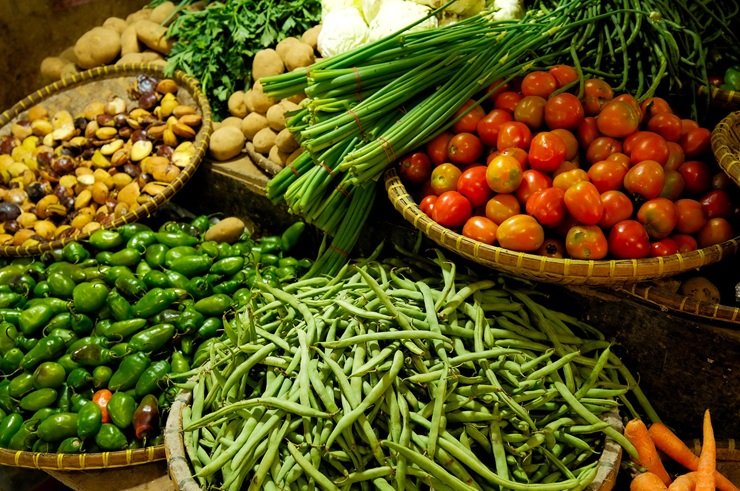
Vegetables are a regular part of meals in almost every part of the world. From tomatoes and onions to potatoes, cabbage, carrots, spinach and beans, vegetables are grown on farms ranging from small family gardens to large commercial operations.
But successful vegetable farming is not simply about planting seeds and waiting for harvest. Farmers have to make several decisions before the first seed goes into the soil. Which crop should be grown? When should it be planted? How much water will it need? What type of soil is suitable? Where will the vegetables be sold?
These questions can make a significant difference to the success of a vegetable farm.
Vegetable farming can be carried out using traditional open-field methods as well as modern systems such as greenhouses, hydroponics and vertical farming. The right method depends on the crop, climate, available resources, farm size and production goals.
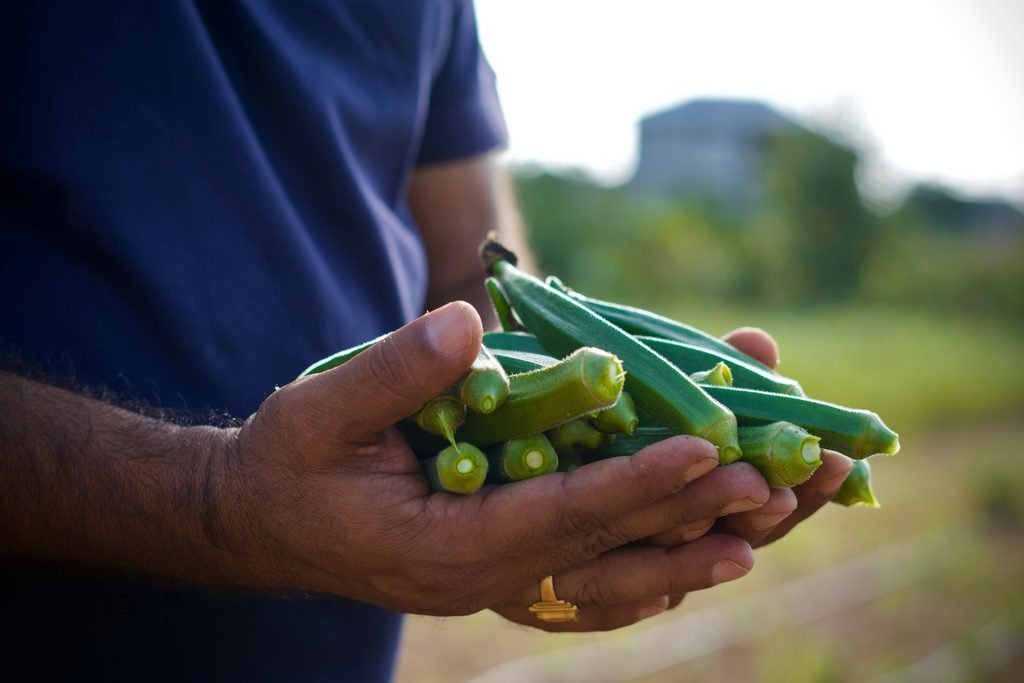
In this guide, we’ll explain the major types of vegetable farming, common vegetables, cultivation methods, benefits, challenges and practical factors to consider before starting vegetable production.
What Is Vegetable Farming?
Vegetable farming is the cultivation of vegetables for household consumption, local markets, commercial sale, processing or other purposes.
Vegetables can be grown in:
- Open agricultural fields
- Home gardens
- Raised beds
- Greenhouses
- Polyhouses
- Containers
- Hydroponic systems
- Vertical farming systems
The scale can be very different from one farm to another. A household may grow a few vegetables for its own use, while a commercial farmer may cultivate several acres and supply wholesalers, retailers, restaurants or food processors.
Why Is Vegetable Farming Important?
Vegetable farming has an important role in food production and the agricultural economy.
Food and Nutrition
Vegetables provide different vitamins, minerals, fiber and other nutrients. Growing a variety of vegetables can therefore contribute to a diverse food supply.
Farm Income
Vegetables can be an important source of agricultural income. However, income and profitability depend on factors such as crop choice, yield, input costs, selling price and post-harvest losses.
Employment
Vegetable production can create work throughout the farming cycle, including:
- Nursery preparation
- Planting
- Weeding
- Irrigation
- Harvesting
- Sorting
- Packaging
- Transportation
- Local Markets
Fresh vegetables can often be sold through local markets, wholesalers, retailers, restaurants and direct-to-consumer channels.
Raw Materials
Some vegetables are also supplied to food-processing businesses for products such as frozen foods, sauces, pickles and other processed foods.
Major Types of Vegetable Farming
There is no single way to grow vegetables. Different production systems are used according to the farmer’s resources and growing conditions.
#1. Home Vegetable Farming
Home vegetable farming is primarily intended for household consumption.
Vegetables can be grown in:
- Backyards
- Kitchen gardens
- Containers
- Raised beds
- Terraces
- Small plots
Tomatoes, chilies, spinach, coriander, beans and other vegetables can be suitable choices depending on local conditions.
#2. Small-Scale Vegetable Farming
Small-scale vegetable farming is carried out on limited agricultural land.
Production may be intended for:
- Family consumption
- Local markets
- Nearby shops
- Restaurants
- Direct customers
One advantage of small-scale farming is that farmers may be able to focus on crops that have demand in their immediate area.
#3. Commercial Vegetable Farming
Commercial vegetable farming focuses mainly on producing vegetables for sale.
A commercial farmer needs to think about much more than production.
For example:
Production → Harvest → Sorting → Packaging → Transportation → Market → Customer
If a farmer produces a good crop but cannot sell it quickly or loses a significant amount during transportation, the financial result can still be poor.
This is why market planning is just as important as crop production in commercial vegetable farming.
#4. Organic Vegetable Farming
Organic vegetable farming follows applicable organic standards and emphasizes approved inputs and natural processes.
Common practices can include:
- Composting
- Organic manure
- Crop rotation
- Cover crops
- Biological pest management
- Soil conservation
Farmers interested in selling produce as certified organic should understand the requirements of the relevant certification system in their country or market.
#5. Greenhouse Vegetable Farming
Greenhouse farming involves growing vegetables inside a protected structure.
Depending on the design and technology, farmers may manage factors such as:
- Temperature
- Humidity
- Ventilation
- Irrigation
- Growing media
- Light
Protected cultivation can help farmers manage certain environmental risks and, in some situations, extend the growing season.
However, construction, energy, equipment and maintenance costs need to be considered.
#6. Hydroponic Vegetable Farming
Hydroponic farming grows plants without conventional soil. Water and nutrients are delivered through a managed growing system.
Vegetables commonly grown in some hydroponic systems include:
- Lettuce
- Spinach
- Herbs
- Kale
- Tomatoes
- Cucumbers
Hydroponics can be useful where land is limited or controlled growing conditions are desired.
Read our detailed guide to Hydroponic Farming.
#7. Vertical Vegetable Farming
Vertical farming uses vertically arranged growing areas to make efficient use of available space.
It is often associated with indoor or controlled-environment agriculture and may use hydroponic or other soilless systems.
Leafy greens and herbs are commonly suitable for some vertical farming systems.
However, electricity, infrastructure, climate control and operating costs can be significant considerations.
Learn more about Vertical Farming.
Popular Vegetable Crops
Different vegetables require different growing conditions.
Leafy Vegetables
Examples include:
- Spinach
- Lettuce
- Kale
- Mustard greens
- Fenugreek leaves
Root Vegetables
Examples include:
- Carrots
- Radishes
- Turnips
- Beets
Bulb Vegetables
Examples include:
- Onions
- Garlic
Fruiting Vegetables
Examples include:
Tomatoes
Cucumbers
Eggplant
Bell peppers
Chilies
Okra
Cole Crops
Examples include:
- Cabbage
- Cauliflower
- Broccoli
Legume Vegetables
Examples include:
- Green beans
- Peas
How to Choose the Right Vegetable to Grow
This is one area where many beginner farmers can make a mistake.
A vegetable may have a high market price, but that doesn’t automatically mean it is the right crop for your farm.
Before choosing a crop, consider:
#1. Climate
Check whether the crop can grow successfully in your local temperature and seasonal conditions.
#2. Soil
Different vegetables have different preferences regarding soil texture, drainage, pH and fertility.
#3. Water
Consider both the crop’s water requirements and the reliability of your water supply.
#4. Growing Period
Some vegetables mature relatively quickly, while others require considerably more time.
#5. Market Demand
Find out who will actually buy the crop.
Potential buyers may include:
- Local consumers
- Vegetable wholesalers
- Retailers
- Restaurants
- Hotels
- Food processors
#6. Production Cost
Consider expenses such as:
- Seeds
- Fertilizers or soil amendments
- Irrigation
- Labor
- Pest management
- Equipment
- Packaging
- Transportation
#7. Post-Harvest Requirements
Some vegetables are highly perishable. If you don’t have suitable storage or a nearby market, post-harvest losses can reduce returns.
Vegetable Farming Process: Step by Step
The exact process varies according to the crop, but a typical vegetable production cycle includes the following stages.
#Step 1: Plan the Crop
Decide what to grow based on climate, soil, water, market demand and available resources.
#Step 2: Prepare the Soil
The land may need to be cleared, cultivated, leveled or formed into suitable beds.
#Step 3: Select Seeds or Seedlings
Choose varieties appropriate for your local conditions and production goals.
#Step 4: Plant the Crop
Seeds may be directly sown, or seedlings may first be raised in a nursery and transplanted later.
#Step 5: Manage Water
Provide appropriate irrigation according to crop and weather conditions.
#Step 6: Manage Nutrients
Monitor soil fertility and provide nutrients according to crop requirements and soil conditions.
#Step 7: Control Weeds
Weeds compete with crops for water, nutrients, light and space.
#Step 8: Monitor Pests and Diseases
Regular field inspection helps farmers identify problems early.
#Step 9: Harvest
Harvest vegetables when they reach the appropriate stage for the intended market.
#Step 10: Sort, Pack and Sell
After harvesting, vegetables may need cleaning, grading, packing, cooling or transportation before reaching buyers.
Practical Tip: Don’t Ignore the Post-Harvest Stage
One of the biggest differences between growing vegetables for yourself and growing them commercially is what happens after harvesting.
Imagine a farmer harvests 500 kg of tomatoes.
The crop may look excellent in the field, but if:
- Harvesting is done roughly
- Tomatoes are poorly packed
- Transport takes too long
- Temperatures are unsuitable
- There is no confirmed buyer
some of the produce may lose quality before reaching the customer.
For commercial vegetable farming, post-harvest handling should be part of the farming plan from the beginning.
This is an important practical point that is often missing from basic vegetable farming articles.
Common Vegetable Farming Methods
Open-Field Vegetable Farming
Vegetables are grown directly outdoors in agricultural fields.
This remains a widely used production method.
Raised-Bed Farming
Vegetables are grown on raised beds that can improve drainage and make some cultivation tasks easier.
Protected Cultivation
Vegetables are grown under structures such as greenhouses, polyhouses or shade structures.
Container Vegetable Farming
Plants are grown in containers using suitable soil or growing media.
This can be useful where conventional farmland is unavailable.
Hydroponic Farming
Plants are grown without traditional soil while receiving water and nutrients through a managed system.
Vertical Farming
Plants are grown in stacked or vertically arranged growing systems, often under controlled conditions.
Irrigation in Vegetable Farming
Water management is particularly important for many vegetable crops.
Common irrigation methods include:
- Drip irrigation
- Sprinkler irrigation
- Furrow irrigation
- Manual watering
Why is drip irrigation useful?
Drip systems can deliver water close to the plant’s root zone and can help improve water-use efficiency when properly designed and managed.
However, irrigation needs vary from crop to crop. Overwatering can also cause problems such as root diseases, nutrient loss and waterlogging.
Pest and Disease Management
Vegetable crops can be affected by many pests and diseases.
Common problems may include:
- Aphids
- Caterpillars
- Whiteflies
- Fungal diseases
- Bacterial diseases
- Viral diseases
- Root problems
Farmers should first try to identify the actual problem rather than applying a treatment simply because a plant looks unhealthy.
Useful management approaches can include:
- Crop rotation
- Healthy planting material
- Field sanitation
- Resistant varieties
- Physical controls
- Biological controls
- Integrated pest management
Where pesticides are necessary and legally permitted, they should be used according to the product label and applicable regulations.
Benefits of Vegetable Farming
#1. Diverse Crop Choices
Farmers can choose from a wide range of vegetables suited to their local conditions.
#2. Potential for Multiple Harvests
In suitable climates, farmers may be able to produce different crops during different seasons.
#3. Suitable for Different Farm Sizes
Vegetables can be produced in home gardens, small farms and large commercial operations.
#4. Local Market Opportunities
Fresh vegetables can be supplied to nearby consumers, shops, restaurants and markets.
#5. Crop Diversification
Growing several vegetables can reduce dependence on a single crop, although diversification also requires additional planning and management.
Challenges of Vegetable Farming
Vegetable farming has many opportunities, but it also involves risks.
Weather Risk
Heavy rainfall, drought, frost, extreme heat and storms can affect production.
Pest and Disease Problems
Vegetables can be vulnerable to insect pests and plant diseases.
Price Fluctuation
Vegetable prices can change quickly depending on supply, demand and season.
Perishability
Many vegetables cannot be stored for long periods without suitable conditions.
Labor Requirements
Planting, harvesting, sorting and packing can require considerable labor.
Input Costs
Seeds, irrigation, fertilizers, crop protection, labor, equipment and packaging all contribute to production costs.
Is Vegetable Farming Profitable?
Vegetable farming can be profitable, but there is no fixed profit figure that applies to every farm.
Profit depends on:
Revenue − Production Costs − Post-Harvest Costs = Farm Return
For example, two farmers growing the same vegetable can have very different results because of differences in:
- Yield
- Land cost
- Labor cost
- Irrigation cost
- Input prices
- Selling price
- Transportation
- Wastage
- Market access
Therefore, avoid choosing a vegetable simply because someone says it is “high profit.”
A better approach is to calculate the expected costs and identify potential buyers before planting.
Vegetable Farming vs Crop Farming
Vegetable farming is a specialized part of crop farming.
| Crop Farming | Vegetable Farming |
| Covers many types of crops | Focuses specifically on vegetables |
| Includes cereals, pulses, fruits, oilseeds, fibers and vegetables | Includes tomatoes, onions, carrots, cabbage and many others |
| Production cycles vary widely | Many vegetables have relatively short production cycles |
| Can involve very large agricultural areas | Can range from home gardens to commercial farms |
| Includes food and non-food crops | Mainly produces vegetables |
You can read our complete guide to Crop Farming for a broader explanation.
Vegetable Farming and Modern Agriculture
Technology is changing vegetable production in several ways.
Modern systems can include:
- Drip irrigation
- Automated irrigation
- Soil sensors
- Greenhouses
- Hydroponics
- Vertical farming
- Farm management software
- Remote monitoring
These technologies can help farmers manage resources and growing conditions, but they are not automatically suitable for every farm.
The cost of equipment, maintenance, electricity, technical knowledge and available infrastructure should be considered before investing.
For a broader overview, read our guide to Modern Farming.
FAQs.
Q1. What is vegetable farming?
Vegetable farming is the cultivation of vegetables for household consumption, commercial sale, local markets, processing or other purposes.
Q2. Which vegetables are commonly grown?
Common vegetables include tomatoes, potatoes, onions, carrots, cabbage, cauliflower, spinach, cucumbers, beans, peas, chilies and peppers.
Q3. Is vegetable farming profitable?
It can be, but profitability depends on crop selection, yield, input costs, market prices, labor, transportation and post-harvest losses.
Q4. Can vegetables be grown on a small farm?
Yes. Many vegetables can be cultivated on small areas when the crop and production method are suitable for the local conditions.
Q5. What is commercial vegetable farming?
Commercial vegetable farming focuses mainly on producing vegetables for sale to consumers, wholesalers, retailers, restaurants or processors.
Q6. Can vegetables be grown without soil?
Yes. Some vegetables can be grown using hydroponic and other soilless systems.
Q7. What is organic vegetable farming?
Organic vegetable farming follows applicable organic standards and uses approved practices and inputs within those standards.
Q8. How do farmers choose which vegetables to grow?
Farmers should consider climate, soil, water availability, growing season, production costs, labor, market demand, storage and transportation.
Related Article for Crop Farming
Conclusion:
Vegetable farming offers many possibilities, from a small kitchen garden to a large commercial farm. But successful production depends on choosing the right crop and matching it with the right growing conditions.
Before planting, farmers should think about more than just yield. Climate, soil, water, production costs, labor, market demand and post-harvest handling all influence the final result.
For commercial growers, having a buyer or clear market strategy before harvest can be just as important as producing a good crop.
Whether vegetables are grown in an open field, greenhouse, hydroponic system or vertical farm, careful planning and regular crop management are essential.