
What Is Cereal Crop Farming?
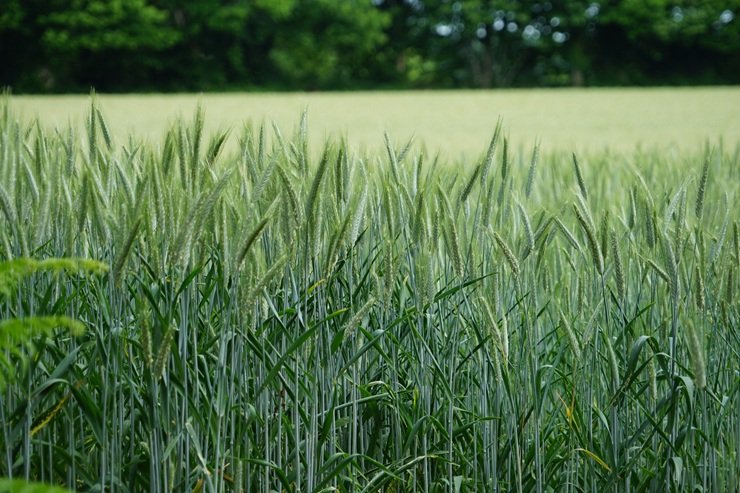
Cereal crop farming is the cultivation of grass-family crops that produce edible grains or seeds. These crops are an important part of agriculture because they provide food for people, feed for livestock, and raw materials for several food-processing industries.
Common cereal crops include wheat, rice, maize, barley, oats, rye, sorghum, millet, triticale, and teff.
Cereal crops can be grown on small family farms as well as large commercial farms. Their cultivation methods vary depending on the crop, climate, soil, irrigation availability, farming system, and local market.
Cereal crop farming is an important part of Crop Farming, which covers the cultivation of different crops for food, commercial use, and other purposes.
Why Are Cereal Crops Important?
Cereal crops have an important role in global agriculture and food systems.
#1. Major Source of Food
Wheat, rice, maize and other cereals are used as staple foods in many parts of the world.
They can be processed into products such as:
- Flour
- Bread
- Pasta
- Rice products
- Breakfast cereals
- Corn-based foods
- Animal feed
#2. Livestock Feed
Some cereal grains and their by-products are used in livestock and poultry feed.
#3. Raw Material for Industries
Cereal crops can also be used in food processing and other industries.
For example, maize can be processed into starch and other products.
#4. Source of Farm Income
Farmers can grow cereal crops for local consumption, livestock feed, processing, or commercial markets.
#5. Easy to Store Compared With Many Fresh Crops
When properly dried and stored, many cereal grains can be stored for considerably longer than highly perishable crops such as fresh fruits and vegetables.
#10 Major Cereal Crops
Different cereal crops have different climate, soil, water, and management requirements.
#1. Wheat
Wheat is one of the most widely cultivated cereal crops.
It is commonly used to produce:
- Flour
- Bread
- Pasta
- Biscuits
- Other food products
Different wheat varieties are adapted to different climates and growing seasons.
#2. Rice
Rice is an important staple crop in many regions.
Rice production can take place under different systems, including irrigated and rain-fed cultivation.
Water management is particularly important because rice-growing systems can differ significantly in their water requirements.
#3. Maize
Maize, also called corn, is grown for:
- Human food
- Animal feed
- Industrial processing
- Bio-based products
It can be grown under different farming systems depending on the region.
#4. Barley
Barley is cultivated for food, animal feed, and industrial uses.
It can perform well in relatively cool growing conditions and is also used as an important raw material in certain processing industries.
#5. Oats
Oats are used as human food and animal feed.
Oat products include:
- Oatmeal
- Rolled oats
- Flour
- Other processed foods
#6. Sorghum
Sorghum is an important cereal crop in areas where heat and relatively dry conditions can make some other crops more difficult to grow.
It can be used for:
- Human food
- Animal feed
- Fodder
- Industrial purposes
#7. Millet
Millets include several small-seeded cereal crops.
They are cultivated in various regions and can be important in areas where farmers need crops adapted to relatively dry conditions.
#8. Rye
Rye is a cereal crop associated particularly with cooler climates.
It is used for food, animal feed, and other agricultural purposes.
#9. Triticale
Triticale is a cereal crop developed by combining characteristics of wheat and rye.
It is mainly used for grain and livestock feed.
#10. Teff
Teff is a small-seeded cereal that is especially important in parts of Africa.
It is used as a food grain and is adapted to particular local growing conditions.
Types of Cereal Crops
Cereal crops can be grouped in different ways.
Major Food Cereals
These include:
- Rice
- Wheat
- Maize
- Millet
- Sorghum
They are widely used as food grains.
Feed Cereals
Several cereal crops are also grown partly or primarily for animal feed.
Examples include:
- Maize
- Barley
- Oats
- Sorghum
Cool-Season Cereals
Some cereal crops perform better during cooler growing seasons.
Examples include:
- Wheat
- Barley
- Oats
- Rye
- Warm-Season Cereals
Other cereals generally require warmer conditions.
Examples include:
- Maize
- Sorghum
- Millet
- Rice
The exact growing season depends on the crop variety and local climate.
How Cereal Crop Farming Works
Although farming practices vary, cereal production generally follows several stages.
#1. Land Preparation
Farmers prepare the field to create suitable conditions for seed germination and crop establishment.
Depending on the farming system, this may involve conventional tillage, reduced tillage, or no-till practices.
#2. Seed Selection
Good-quality seed is important for establishing a healthy crop.
Farmers should consider:
- Local climate
- Soil type
- Crop duration
- Disease resistance
- Expected yield
- Market requirements
#3. Sowing
Seeds are planted at an appropriate depth and spacing.
The timing of sowing is important because temperature, rainfall, and soil moisture can affect germination and early growth.
#4. Nutrient Management
Cereal crops require nutrients for healthy growth.
Farmers may use soil testing and crop-specific recommendations to determine nutrient requirements.
#5. Weed Management
Weeds compete with cereal crops for:
- Water
- Nutrients
- Light
- Growing space
Farmers can use cultural, mechanical, biological, or chemical weed-management approaches depending on the farming system.
#6. Pest and Disease Management
Regular field monitoring can help identify problems early.
Integrated pest management can combine crop rotation, resistant varieties, biological methods, monitoring, and other suitable measures.
#7. Harvesting
Cereal crops are harvested when the grain reaches an appropriate stage of maturity.
Harvest timing can affect grain quality and storage.
#8. Drying and Storage
After harvesting, grain may need to be dried to a suitable moisture level before storage.
Proper storage helps reduce problems caused by:
- Moisture
- Insects
- Rodents
- Fungi
- Poor ventilation
Soil Requirements for Cereal Crops
There is no single soil type suitable for every cereal crop.
The ideal soil depends on the crop and variety.
Important soil characteristics include:
- Suitable pH
- Good drainage
- Adequate fertility
- Sufficient organic matter
- Good soil structure
- Appropriate water-holding capacity
Soil testing before planting can help farmers understand nutrient conditions and identify potential problems.
Climate and Water Requirements
Cereal crops have different environmental requirements.
For example, wheat generally has different temperature requirements from rice or maize.
Farmers should consider:
- Temperature
- Rainfall
- Growing season
- Humidity
- Frost risk
- Water availability
- Drought conditions
Water requirements also differ between crops and growth stages.
Efficient irrigation can be particularly important in regions where rainfall is unreliable.
Cereal Crop Farming Methods
Farmers can use different production methods depending on their resources and local conditions.
Conventional Farming
Conventional cereal farming may involve:
- Tillage
- Improved seeds
- Fertilizers
- Irrigation
- Crop protection products
- Mechanized harvesting
Organic Cereal Farming
Organic cereal production follows applicable organic standards and focuses on approved inputs and management practices.
Practices can include:
- Crop rotation
- Compost
- Cover crops
- Biological pest management
- Mechanical weed control
For more information, Organic Farming.
Sustainable Cereal Farming
Sustainable cereal production focuses on maintaining soil health and using resources efficiently.
Common practices include:
Crop rotation
Reduced tillage
Cover cropping
Efficient irrigation
Soil conservation
For more information, see Sustainable Farming.
Dryland Cereal Farming
Dryland farming relies primarily on available rainfall rather than regular irrigation.
Crops such as sorghum and some millet varieties may be suitable for certain dryland environments, depending on local conditions.
Irrigated Cereal Farming
Irrigated cereal production uses additional water when rainfall is insufficient.
Irrigation scheduling should consider:
- Crop stage
- Soil moisture
- Weather
- Water availability
Modern Cereal Farming
Technology is changing how cereal crops are managed.
Modern cereal farming may include:
Precision Agriculture
Farmers can use soil data, GPS, sensors, satellite information, and farm-management tools to make more targeted decisions.
Link Precision Farming here.
Improved Irrigation
Efficient irrigation systems can help farmers use water more carefully.
Farm Machinery
Modern machinery can assist with:
- Land preparation
- Sowing
- Spraying
- Harvesting
- Grain handling
- Weather Monitoring
Weather information can help farmers plan irrigation, planting, harvesting, and crop protection activities.
For more information, Modern Farming.
Benefits of Cereal Crop Farming
Cereal farming offers several benefits.
Food Security
Cereal crops provide important sources of calories and carbohydrates in many diets.
Livestock Feed
Several cereals are valuable feed crops.
Employment
Cereal production creates work in farming, transportation, processing, storage, and related activities.
Commercial Opportunities
Farmers can sell cereal grains to:
- Local markets
- Traders
- Food processors
- Feed manufacturers
- Other agricultural businesses
Crop Rotation
Some cereal crops can be included in crop rotation systems to diversify production and manage soil and pest-related challenges.
Challenges in Cereal Production
Cereal farmers also face several challenges.
Weather Conditions
Drought, excessive rainfall, heat, frost, and storms can affect production.
Pests and Diseases
Insects and diseases can reduce both yield and grain quality.
Input Costs
Seed, fertilizer, irrigation, machinery, labour, and fuel can increase production costs.
Market Price Fluctuations
Grain prices can change depending on supply, demand, weather, storage conditions, and market conditions.
Post-Harvest Losses
Poor harvesting, drying, transportation, or storage can lead to grain losses.
How to Improve Cereal Crop Production
Farmers can consider several practical approaches:
- Select varieties suited to the local climate.
- Test soil before planting.
- Use good-quality seed.
- Plant at the appropriate time.
- Maintain suitable plant density.
- Monitor soil moisture.
- Use nutrients according to crop requirements.
- Control weeds during critical growth stages.
- Monitor pests and diseases regularly.
- Harvest at the appropriate maturity stage.
- Dry grain properly before storage.
- Maintain good storage conditions.
Not every practice will be suitable for every farm, so local agricultural recommendations should guide specific decisions.
Cereal Crops vs Other Crops
Cereal crops are primarily cultivated for their edible grains.
Other crop groups include:
- Pulses
- Oilseed crops
- Fiber crops
- Fruit crops
- Vegetable crops
- Fodder crops
For example, wheat and rice are cereal crops, while lentils and chickpeas are pulses.
Fruit crops such as mango and apple are different from cereals because their production systems, growth cycles, harvesting, and post-harvest requirements are different.
Cereal Crops vs Other Crops
Cereal crops are primarily cultivated for their edible grains.
Other crop groups include:
- Pulses
- Oilseed crops
- Fiber crops
- Fruit crops
- Vegetable crops
- Fodder crops
For example, wheat and rice are cereal crops, while lentils and chickpeas are pulses.
Fruit crops such as mango and apple are different from cereals because their production systems, growth cycles, harvesting, and post-harvest requirements are different.
Read also the Fruit Farming and Vegetable Farming
Is Cereal Crop Farming Profitable?
Cereal crop farming can generate income, but profitability depends on several factors.
These include:
- Crop selection
- Land cost
- Seed cost
- Fertilizer expenses
- Irrigation costs
- Labour
- Machinery
- Yield
- Grain quality
- Market price
- Storage costs
- Transportation
A high-yielding crop does not automatically mean higher profit if production costs are also high.
Farmers should calculate expected costs and potential returns before making large investments.
FAQs.
Q1. What is cereal crop farming?
Cereal crop farming is the cultivation of grain-producing crops such as wheat, rice, maize, barley, oats, sorghum, and millet.
Q2. What are the main cereal crops?
Major cereal crops include wheat, rice, maize, barley, oats, sorghum, millet, rye, triticale, and teff.
Q3. Which cereal crop is most commonly grown?
Wheat, rice, and maize are among the major cereal crops cultivated widely around the world, although production varies significantly by region.
Q4. Are cereals food crops?
Yes. Many cereal crops are important food crops and are also used for livestock feed and industrial processing.
Q5. Can cereal crops be grown organically?
Yes. Cereal crops can be produced using organic farming systems when the applicable organic production standards are followed.
Q6. What soil is best for cereal crops?
The suitable soil depends on the cereal crop. Good drainage, suitable pH, adequate fertility, and appropriate moisture conditions are generally important.
Q7. How can cereal farmers reduce production costs?
Farmers can evaluate seed selection, nutrient management, irrigation efficiency, machinery use, crop rotation, and post-harvest handling to identify areas where costs can be managed without compromising crop health.
Conclusion:
Cereal crop farming is an important part of agriculture and food production. Wheat, rice, maize, barley, oats, sorghum, millet, and other cereals support food systems, livestock production, processing industries, and farm incomes.
Successful cereal production depends on choosing suitable crops and varieties, preparing the soil properly, managing water and nutrients, monitoring pests and diseases, and handling grain carefully after harvest.
Modern tools such as precision agriculture, improved irrigation, weather monitoring, and farm machinery can also help farmers make better production decisions.
The most suitable cereal crop will always depend on local climate, soil, water availability, production costs, and market demand rather than one crop being suitable for every farmer.