

Livestock farming is an important part of agriculture that provides food, income, employment, and valuable resources to millions of people around the world. From dairy cows and goats to chickens and sheep, farm animals contribute to both rural livelihoods and the wider food supply.
For some farmers, livestock is their primary business. For others, keeping animals alongside crop production provides an additional source of income and helps make better use of farm resources.
However, successful livestock farming involves much more than simply raising animals. Farmers need to understand animal nutrition, housing, health management, breeding, market demand, and the costs of running a farm.
In this guide, we will explore what livestock farming means, its different types, how it works, its benefits and challenges, and the important factors to consider before starting a livestock farm.

What Is Livestock Farming?
Livestock farming is the agricultural practice of raising and managing domesticated animals for useful products and services. These animals may be raised for milk, meat, eggs, wool, leather, manure, breeding, or other purposes.
Livestock farming can take place on a small family farm, a commercial farm, or a large specialized agricultural operation.
Common livestock animals include:
- Cattle, including dairy cows and beef cattle
- Goats and sheep
- Chickens, ducks, and other poultry
- Pigs
- Rabbits
- Buffaloes
The animals selected depend on the farmer’s location, available land, climate, feed resources, investment, and the needs of the local market.
For example, a farmer in a region with a strong demand for fresh milk may choose dairy farming. Someone with limited land might explore poultry or a small goat-rearing operation, provided suitable housing, feed, and markets are available.
Livestock farming is also closely connected with crop farming. Crops can supply animal feed, while properly managed animal manure can return nutrients to agricultural soil.
What Are the Main Types of Livestock Farming?
Livestock farming includes several specialized branches. Each has its own production goals, animal management requirements, and business considerations.
#1. Dairy Farming
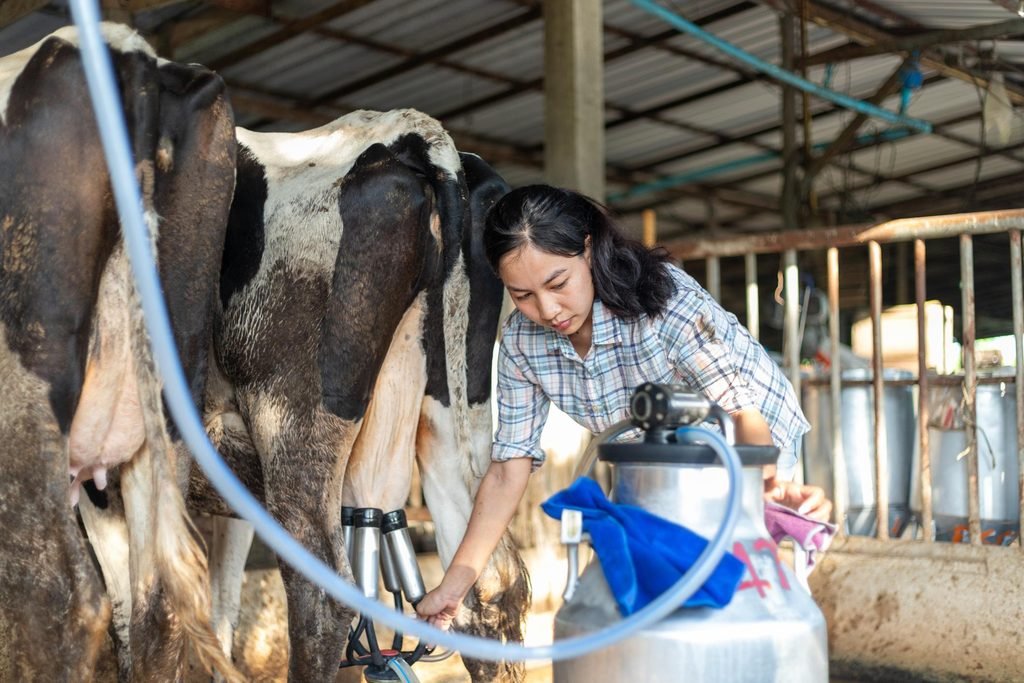
Dairy farming involves raising animals primarily for milk production. Dairy cows and buffaloes are commonly used, while goats and sheep are important milk-producing animals in some regions.
Milk may be sold to dairy processors, cooperatives, retailers, or directly to consumers where permitted.
Important dairy farming practices include:
- Providing balanced feed and clean drinking water.
- Maintaining clean and comfortable animal housing.
- Following hygienic milking procedures.
- Monitoring milk production and animal health.
- Managing breeding, calving, and the animals’ resting periods.
Dairy farming can generate regular revenue when milk production and market access are reliable. However, feed costs, animal health, milk prices, and the need for daily care can significantly affect profitability.
Read more: Dairy Farming: A Complete Guide
#2. Poultry Farming
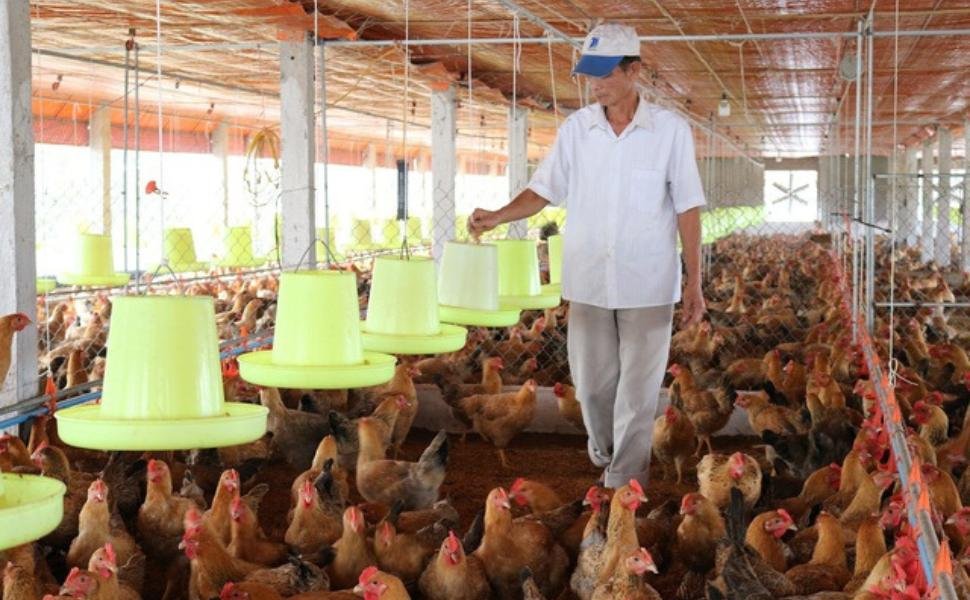
Poultry farming involves raising birds such as chickens, ducks, and turkeys for eggs, meat, or breeding.
Two major poultry production systems are:
- Broiler farming: Raising chickens for meat.
- Layer farming: Raising hens for egg production.
Poultry can be raised in small backyard systems or commercial facilities. The appropriate system depends on the scale of production, animal welfare requirements, available resources, and local regulations.
Good poultry management includes proper ventilation, suitable stocking density, clean water, balanced feed, disease prevention, and safe handling of eggs or meat.
Poultry production can have relatively short production cycles, but it is sensitive to feed prices, disease outbreaks, and changing market conditions.
Read more: Poultry Farming: Types, Methods, and Management
#3. Goat Farming
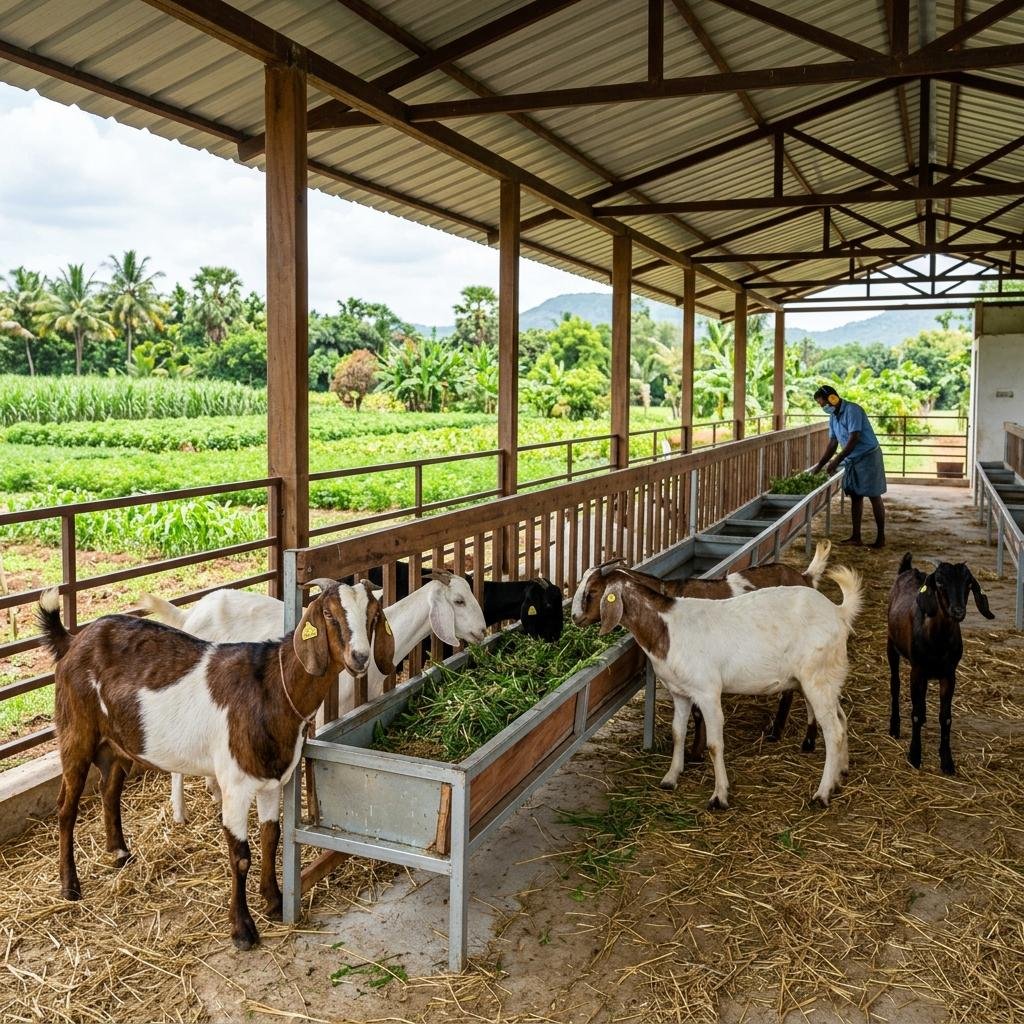
Goat farming involves raising goats for meat, milk, fiber, breeding, or a combination of products.
Goats are adaptable animals, and some breeds can perform well in dry or hilly environments. They are browsers and benefit from suitable vegetation, but they still require balanced nutrition, clean water, secure housing, and health care.
Farmers should select breeds according to their production goals and local conditions rather than assuming that one breed is suitable everywhere.
Goat farming may be attractive to small-scale farmers, but success depends on feed availability, disease management, breeding decisions, and access to buyers.
Read more: Goat Farming: A Beginner’s Guide
#4. Sheep Farming
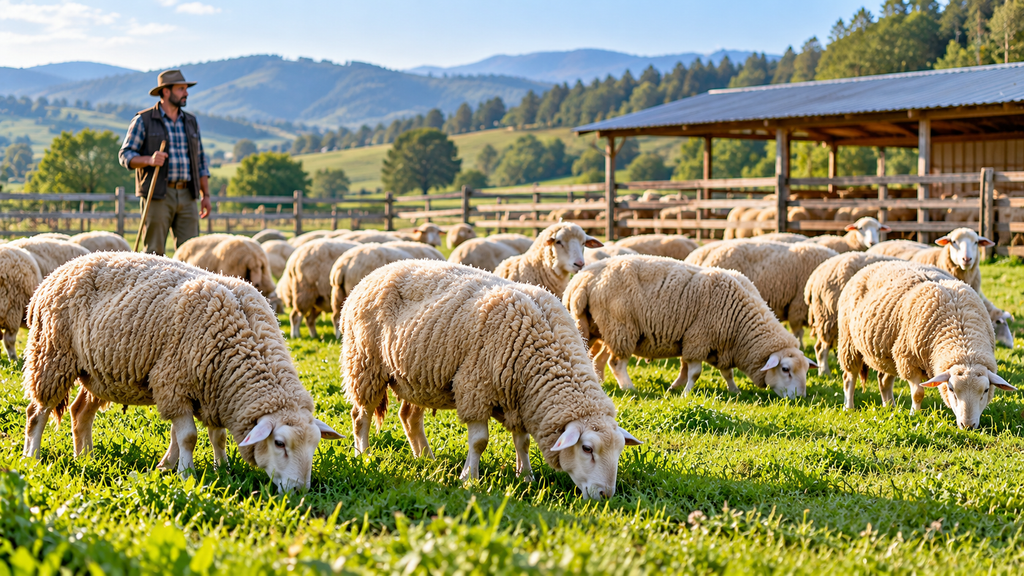
Sheep farming is practiced for meat, wool, milk, and breeding animals. Its importance varies by region and the local demand for sheep products.
Some sheep are suited to wool production, while others are raised primarily for meat. Farmers should consider climate, pasture quality, parasite risks, and breed characteristics.
Sheep require appropriate shelter, regular health monitoring, and protection from predators where necessary. Their nutritional needs also change during pregnancy, lambing, and growth.#4. Sheep Farming
Sheep farming is practiced for meat, wool, milk, and breeding animals. Its importance varies by region and the local demand for sheep products.
Some sheep are suited to wool production, while others are raised primarily for meat. Farmers should consider climate, pasture quality, parasite risks, and breed characteristics.
Sheep require appropriate shelter, regular health monitoring, and protection from predators where necessary. Their nutritional needs also change during pregnancy, lambing, and growth.
#5. Cattle Farming
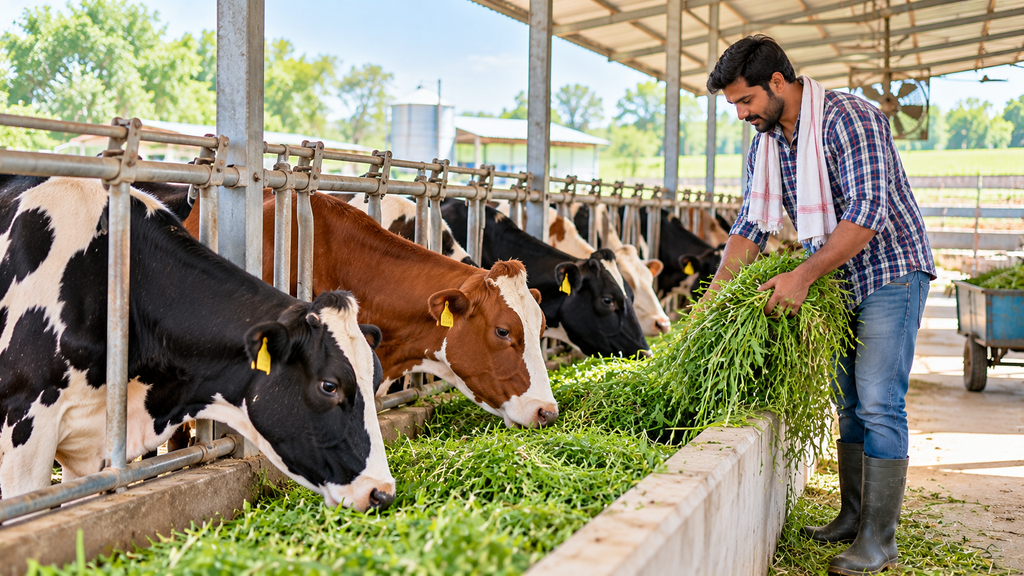
Cattle farming includes raising cattle for milk, meat, breeding, and, in some farming systems, work.
Although dairy farming is a type of cattle farming, not all cattle farms produce milk. Beef cattle operations focus on raising animals for meat, while breeding farms may supply calves or breeding stock.
Cattle need sufficient feed, clean water, safe handling facilities, and appropriate space. Farmers also need to plan for veterinary care, reproductive management, and the cost of raising animals until they reach their intended production stage.
#6. Pig Farming

Pig farming involves raising pigs for pork production or breeding. Pigs require well-managed housing, appropriate feed, clean water, and effective health and biosecurity practices.
Farmers must consider local rules governing pig production, waste management, animal welfare, and the sale of pork.
Because pigs can be vulnerable to serious infectious diseases, controlling animal movement and preventing contact with potential sources of infection are important parts of farm management.
#7. Rabbit Farming
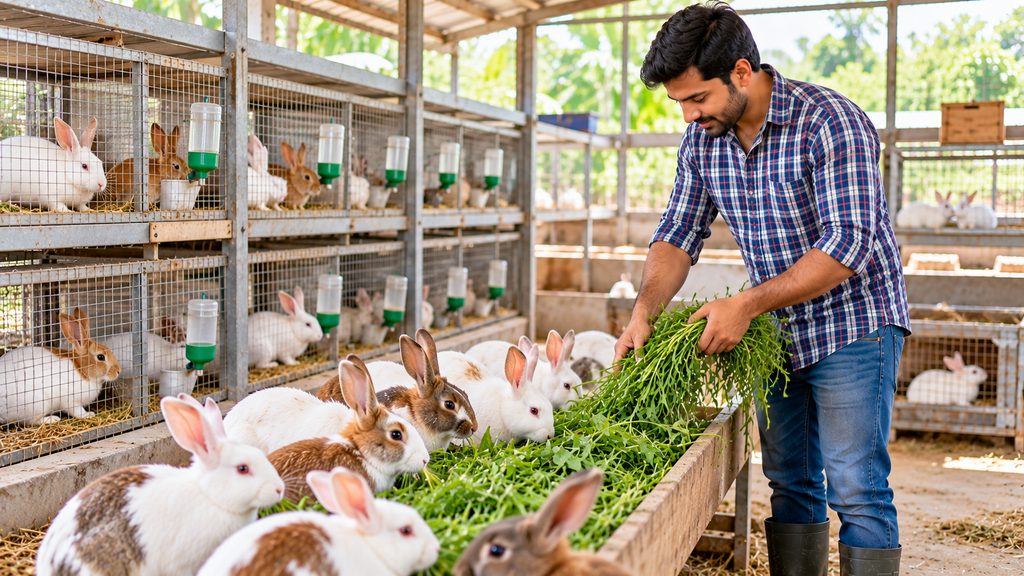
Rabbit farming involves raising rabbits for meat, breeding, or other locally relevant products.
Rabbits require suitable housing, a balanced diet, good ventilation, and careful temperature management. Their breeding capacity can be high, but this does not automatically make rabbit farming profitable.
Farmers should investigate local demand and production costs before investing in breeding stock or facilities.
#8. Other Livestock and Related Farming
Depending on the region, livestock enterprises may also include:
- Duck farming for eggs or meat.
- Turkey farming for meat.
- Quail farming for eggs or meat.
- Donkey and horse keeping for work, transport, or other purposes.
- Beekeeping for honey and related products.
Beekeeping is often grouped with livestock or animal-based agriculture, although bees are managed differently from conventional farm animals.
Aquaculture, such as fish farming, is another important form of animal production, but it is generally classified separately from terrestrial livestock farming.
Livestock Farming Methods and Production Systems
Livestock farming is not practiced in one single way. Farmers choose production systems based on the animals they raise, the resources they have, and the intended level of production.
Extensive Livestock Farming
Extensive farming generally involves raising animals over larger grazing areas, with much of their nutrition coming from pasture or other natural forage.
This system may require less intensive housing, but it still needs careful pasture management, access to water, protection from extreme weather, and regular animal health checks.
Its success depends heavily on the quality and availability of grazing land.
Intensive Livestock Farming
Intensive livestock farming involves managing animals in more controlled production environments, often with greater reliance on prepared feed, specialized housing, and organized production schedules.
Some commercial poultry and dairy operations use intensive systems.
Intensive production can increase output per unit of land, but it requires strong management of ventilation, animal comfort, waste, feed, health, and biosecurity. High production levels should never come at the expense of animal welfare.
Semi-Intensive Livestock Farming
Semi-intensive farming combines grazing or outdoor access with additional feed and managed housing.
For example, goats may graze during part of the day and receive supplementary feed when they return to their shelter.
This approach can help farmers balance available land, feed resources, and animal management needs.
Mixed Crop-Livestock Farming
Mixed crop-livestock farming combines crop production with animal raising on the same farm or within an integrated farming operation.
A farmer may grow maize, fodder crops, or other suitable feed crops for livestock. Manure, when handled and applied safely, can provide nutrients for crop production.
The system can make productive use of farm resources, but it requires planning to avoid nutrient losses, soil damage, feed shortages, and competition between crops and animals for resources.
Related reading: Mixed Farming: How Crops and Livestock Work Together
What Do Farm Animals Need to Stay Healthy?
Animal care is one of the most important responsibilities in livestock farming. Healthy animals are more likely to grow, reproduce, and produce useful farm products.
1. Balanced Nutrition
Animals need nutrients such as energy, protein, minerals, and vitamins in appropriate amounts.
Their diets depend on species, age, body condition, reproductive stage, and production goals. Cattle, goats, pigs, and poultry have different nutritional requirements.
Farmers should avoid relying on a single feed ingredient without considering whether it meets the animals’ needs. Feed quality and safe storage are also important.
2. Clean Drinking Water
Livestock need continuous access to clean, suitable drinking water. Water requirements vary with species, size, weather, feed, pregnancy, and production.
In hot weather, animals may need substantially more water. Water troughs should be cleaned and checked regularly.
3. Safe and Comfortable Housing
Animal housing should protect livestock from severe weather, provide adequate ventilation, and allow animals to rest comfortably.
The design will differ by species. Poultry housing, dairy barns, sheep shelters, and pig housing have different requirements.
Good housing should also make it possible to clean facilities, manage waste, inspect animals, and separate sick animals when needed.
4. Disease Prevention and Veterinary Care
Livestock farmers should establish a health management plan with a qualified veterinary professional.
Depending on the species and local risks, this may include vaccination, parasite control, routine health checks, quarantine procedures, and appropriate treatment when animals become sick.
Newly purchased animals should be managed carefully before joining the existing herd or flock.
5. Breeding and Reproduction
Breeding decisions influence the health, productivity, and long-term sustainability of a livestock operation.
Farmers should consider breed suitability, genetic diversity, reproductive health, and the risks associated with uncontrolled breeding.
Keeping basic records of mating, births, health events, and production can help farmers make better decisions.
Benefits of Livestock Farming
Livestock farming can contribute to household income, food production, and agricultural development.
Provides Food and Essential Products
Livestock produces milk, eggs, meat, wool, and other useful products. These products support food systems and supply raw materials to various industries.
Creates Income Opportunities
Farmers may earn income from selling animal products, breeding animals, or other livestock-related services.
The type and timing of income vary. Dairy operations may sell milk regularly, while meat and breeding operations may receive income at different stages of production.
Supports Rural Employment
Livestock production creates work in animal care, feed supply, veterinary services, transportation, processing, and marketing.
It can also support small businesses that supply agricultural equipment and farm inputs.
Complements Crop Farming
Livestock can help integrate crop and animal production. For example, some crop residues may be used as feed when they are suitable, while properly managed manure can contribute nutrients to agricultural soils.
This integration needs responsible management. Not every crop residue is safe or nutritious for every animal, and manure must be handled to reduce risks from pathogens, nutrient runoff, and contamination.
Makes Use of Suitable Land
Some grazing animals can use pasture or forage land that is not suitable for intensive crop production.
However, grazing must be managed carefully. Excessive stocking can damage vegetation, reduce soil quality, and increase erosion.
Challenges of Livestock Farming
Despite its benefits, livestock farming comes with risks and ongoing responsibilities.
High Feed and Operating Costs
Feed can represent a major part of production expenses. Farmers may also need to pay for housing, equipment, veterinary services, labor, transportation, and utilities.
Before starting, estimate the full cost of raising animals, not just the purchase price.
Animal Diseases
Infectious diseases and parasites can reduce production, increase treatment costs, and sometimes cause significant animal losses.
Good biosecurity, suitable veterinary care, and early detection can help reduce these risks.
Market Price Fluctuations
Prices for milk, eggs, meat, and breeding animals can change. A farm that is profitable at one price may struggle when feed costs rise or selling prices fall.
Farmers should understand their local market and calculate the break-even price for their products.
Waste and Environmental Management
Livestock produces manure and other waste that must be managed responsibly.
Poor waste management can contaminate water, cause unpleasant odors, and contribute to environmental problems. Farm planning should include safe storage, handling, and disposal or beneficial use of waste.
Animal Welfare Responsibilities
Animals need adequate space, appropriate social conditions, protection from suffering, and timely care.
Poor handling, overcrowding, inadequate nutrition, and unsuitable housing can harm animals and reduce farm performance.
Practical Examples of Livestock Farming
Livestock farming looks different from one farm to another. A small dairy farmer may depend on milk sales, while a goat farmer may raise animals for meat or breeding. Some farmers also combine livestock with crop production to make better use of their land.
The following examples show how different livestock farming systems can work in practice. They are illustrative scenarios, and actual results depend on local conditions, animal breeds, feed costs, and market demand.
Example 1: A Small Dairy Farm
Imagine a farmer who keeps a few dairy cows and sells fresh milk to a nearby dairy collection centre. The farmer begins each day by checking the animals, providing feed and clean water, and following hygienic milking practices.
The milk is collected and sold according to the buyer’s requirements. The farmer also records daily milk production and expenses to understand whether the business is financially sustainable.
For this type of farm, the main considerations are:
- Choosing healthy dairy animals suited to the local climate.
- Providing sufficient feed, clean water, and comfortable housing.
- Maintaining hygienic milking and safe milk storage.
- Arranging regular veterinary care.
- Finding a reliable milk buyer and tracking income against expenses.
A small dairy operation may provide regular sales, but the farmer must account for feed, labour, animal health, and periods when milk production changes.
Example 2: Goat Farming on Limited Land
Consider a farming family that wants to raise goats but has limited land. Instead of beginning with a large herd, the family starts with a manageable number of suitable goats and plans their feeding, housing, and market arrangements.
Depending on the breed and local market, goats may be raised for meat, milk, breeding, or a combination of these purposes.
The family provides a secure shelter, clean drinking water, suitable forage, and supplementary feed when necessary. They also monitor the goats’ health and plan breeding carefully.
Before expanding, the family checks whether there is sufficient feed and whether local buyers are interested in the animals or their products.
This example highlights an important lesson: choosing an appropriate herd size and understanding the market are just as important as purchasing the animals.
Example 3: A Mixed Crop-Livestock Farm
On a mixed farm, crops and livestock can support each other when managed responsibly.
For example, a farmer may grow suitable fodder crops to help feed cattle or goats. Some crop residues may also be used as animal feed if they are safe and nutritionally appropriate.
Animal manure can be collected, handled, and applied to fields as a source of nutrients. Proper management is necessary to reduce contamination, nutrient losses, and environmental risks.
The farmer needs to plan crop production, animal feeding, manure handling, and grazing together.
This integrated approach can improve the use of farm resources and provide income from more than one agricultural activity. However, the benefits depend on good planning, soil and water management, and the suitability of the crops and animals involved.
What These Examples Teach Us
Each livestock farming system has different requirements. Dairy farming depends on milk production and reliable buyers, goat farming requires suitable housing, feeding, and market planning, and mixed crop-livestock farming requires coordination between crop and animal management.
Before starting any livestock enterprise, farmers should understand the animals’ needs, estimate the full cost of production, investigate local demand, and begin at a manageable scale.
How to Start a Livestock Farming Business
Starting a livestock farm requires careful planning. The right approach for a small goat farm may be very different from the approach needed for a commercial dairy or poultry operation.
Step 1: Choose Your Livestock
Begin by identifying which animals are suitable for your location, resources, experience, and intended market.
Ask yourself:
- Is there a reliable local market for the product?
- Can I provide suitable feed and water throughout the year?
- Do I have appropriate land or housing?
- Can I access veterinary services?
- How much time will daily animal care require?
Avoid choosing a livestock enterprise based only on claims of high profit.
Step 2: Research Your Local Market
Find out who will buy your products and what quality standards they expect.
Potential buyers may include dairy processors, local retailers, restaurants, wholesalers, cooperatives, or individual customers.
Where possible, speak with prospective buyers before investing. Understand the likely selling price, collection arrangements, payment terms, and any applicable licensing or food safety requirements.
Step 3: Prepare a Realistic Budget
Include the cost of:
- Land, housing, fencing, and essential equipment.
- Purchasing healthy animals.
- Feed and water supply.
- Veterinary care and preventive health measures.
- Labor, transport, electricity, and maintenance.
- Waste management and business registration where required.
- Emergency funds for unexpected expenses.
Estimate both the initial investment and recurring monthly costs.
Step 4: Arrange Housing, Feed, and Water
Prepare the facilities before bringing animals to the farm.
Make sure the housing is appropriate for the species, the feeding system is practical, and clean water is reliably available.
Step 5: Purchase Suitable Animals
Buy animals from reputable sources and inspect their health and condition.
Where possible, seek veterinary guidance before purchasing. Check the animals’ age, production history, vaccination records, and suitability for the intended farming system.
Step 6: Establish a Management Routine
Create a daily routine for feeding, watering, cleaning, observing animal behavior, and recording important events.
A simple farm record can track:
- Number of animals.
- Feed purchases and consumption.
- Milk, eggs, or weight gain.
- Births and breeding.
- Veterinary visits and treatments.
- Sales and operating expenses.
These records help identify problems early and show whether the farm is meeting its financial goals.
Step 7: Review Performance and Expand Carefully
Start at a manageable scale. Evaluate production, expenses, animal health, and market demand before expanding.
Increasing the number of animals without sufficient feed, housing, labor, or buyers can create serious financial and animal welfare problems.
Is Livestock Farming Profitable?
Livestock farming can be profitable, but there is no guaranteed income. Profitability depends on the animal species, production system, local market, feed costs, animal health, labor, and the farmer’s management skills.
A basic calculation is:
Net profit = Total revenue − Total operating and production costs
For a meaningful estimate, include the cost of feed, veterinary care, labor, housing maintenance, transport, mortality, and other expenses. Also consider the time required to raise animals before they generate revenue.
For example, a dairy farm may receive regular milk income, but its earnings depend on milk yield, the price paid per unit, and daily production costs. A poultry farm may have shorter production cycles, but disease, feed price changes, and market fluctuations can affect its returns.
Before investing, prepare a farm-specific budget and consider both favorable and unfavorable market conditions.
Sustainable Livestock Farming
Sustainable livestock farming aims to meet production needs while protecting animal welfare, natural resources, and the long-term viability of the farm.
Practical approaches include:
- Matching animal numbers to available feed and grazing resources.
- Preventing overgrazing through suitable pasture management.
- Using water efficiently and protecting water sources.
- Managing manure to reduce pollution and recover nutrients where appropriate.
- Maintaining healthy animals through prevention and responsible veterinary care.
- Selecting animals suited to local environmental conditions.
- Planning for changing weather and feed availability.
Sustainability does not mean every farm must use the same production system. The most suitable approach depends on local conditions and how well the farmer manages the animals and resources.
Conclusion:
Livestock farming is an essential part of agriculture, but successful animal production requires knowledge, preparation, and consistent care.
Whether you are interested in dairy cows, goats, poultry, sheep, or another livestock enterprise, start by understanding the animals’ needs and the market for their products. Plan your feed supply, housing, veterinary support, and budget before investing.
A well-managed livestock farm can support a farmer’s livelihood and contribute to food production. The key is to make decisions based on local conditions, realistic costs, animal welfare, and long-term farm sustainability.
Disclaimer: This article is for general educational purposes. Livestock requirements, veterinary practices, and farming regulations vary by species and location. Consult a qualified veterinary professional and relevant local agricultural authorities before making animal health or farm management decisions.
FAQs:
Q1. What is livestock farming in simple words?
Livestock farming means raising domesticated animals such as cows, goats, sheep, pigs, and chickens for products like milk, meat, eggs, wool, or breeding.
Q2. What are the main types of livestock farming?
The major types include dairy farming, poultry farming, goat farming, sheep farming, cattle farming, pig farming, and rabbit farming. Other animal enterprises depend on local needs and markets.
Q3. Which livestock is suitable for a small farm?
Goats, poultry, rabbits, or a small dairy operation may be suitable in some circumstances. The best choice depends on available space, feed, skills, local regulations, veterinary support, and reliable buyers.
Q4. What is the difference between intensive and extensive livestock farming?
Intensive systems generally use more controlled housing and managed feeding, often with higher production per unit of land. Extensive systems rely more on grazing and larger areas of land. Both require appropriate animal care and resource management.
Q5. What do livestock animals eat?
Their diets vary by species. Cattle and sheep commonly consume forage and suitable supplementary feed, while poultry and pigs usually need carefully formulated diets. Every animal needs nutrition appropriate to its age, health, and production needs.
Q6. Is livestock farming a good business?
It can be a viable business when the farmer understands production costs, animal care, and market demand. However, returns are not guaranteed, and disease, feed costs, and changing prices can affect profitability.
Q7. How does livestock farming support crop farming?
Livestock can use suitable crop residues and forage, while safely managed manure can supply nutrients to crops. Integrating the two systems requires careful feed selection and responsible nutrient management.
One thought on “Livestock Farming: Types, Benefits, Methods, and How to Get Started”