
You do not need a huge farm to start an agricultural business.
A small piece of land can still provide several business opportunities if it is used carefully. In fact, smaller farms sometimes have an advantage: they can focus on specialised products, sell directly to local customers and make changes more quickly than a large operation.
The important thing is not simply how much land you have. What you grow, how you manage it and where you sell it can make a bigger difference.
For example, a small farm close to a town might earn more from fresh vegetables sold directly to local customers than from growing a low-value crop that normally depends on wholesale prices.
In this guide, we explore 15 small farm business ideas, along with their potential advantages, challenges and the factors you should consider before getting started.
Important: No farming business guarantees a particular income. Actual results depend on location, climate, land quality, water availability, production costs, labour, market demand and selling prices.
What Makes a Good Small Farm Business?
A good small farm business should make sensible use of limited land and resources.
Before choosing an idea, consider:
- How much land is available?
- Is reliable water available?
- What is the local climate like?
- How much can you invest?
- How much labour can you provide?
- What products are in demand locally?
- Who will buy the products?
- How quickly can the products be sold?
- Can you add value to the product?
A small farm does not necessarily need to compete with large farms on volume.
Instead, it can compete through quality, freshness, speciality products, convenience or direct customer relationships.
15 Small Farm Business Ideas
#1. Vegetable Farming
Vegetable farming is one of the most practical options for a small farm, particularly when there is a nearby market.
Depending on the climate and season, you could consider:
- Tomatoes
- Spinach
- Onions
- Carrots
- Cabbage
- Cauliflower
- Peas
- Chillies
- Okra
- Radishes
One benefit is that some vegetables have relatively short production cycles.
A small grower may also be able to sell directly to households, restaurants, local shops or market traders.
Why it can work on a small farm
Instead of trying to produce large volumes, you can focus on a few crops that have consistent local demand.
Main challenges
Vegetables are often perishable, and prices can change quickly. Planning the harvest around your market is therefore important.
#2. Herb Farming
Herbs can be an interesting choice when land is limited.
Depending on the region and market, possible crops include:
- Mint
- Coriander
- Basil
- Rosemary
- Lemongrass
- Parsley
Fresh herbs can be sold to households, restaurants, shops and food businesses.
Some herbs can also be dried or processed, although processing introduces additional equipment and regulatory considerations.
Practical tip
Before planting a large quantity, speak with local restaurants or retailers to understand which herbs they actually purchase and in what quantities.
#3. Plant Nursery
A plant nursery can make good use of a relatively small area.
You could grow and sell:
- Vegetable seedlings
- Fruit plants
- Flowering plants
- Ornamental plants
- Tree saplings
- Garden plants
The customers could include farmers, gardeners, landscapers, homeowners and local businesses.
A nursery can also benefit from repeat customers if the plants are healthy and consistently good quality.
Main challenge
Plants need regular care, and losses can occur if watering, pests, disease or environmental conditions are not properly managed.
#4. Mushroom Farming
Mushroom production is different from conventional field farming because it can be carried out in a controlled indoor or semi-controlled environment.
This makes it interesting for people with limited outdoor agricultural land.
Depending on the type of mushroom and local market, production can take place in a suitable room, shed or growing structure.
Potential advantages
- Limited land requirement
- Controlled growing environment
- Potentially short production cycles
- Possibility of supplying local markets
- Challenges
Temperature, humidity, hygiene and contamination need careful management.
Before investing, learn the production process and identify buyers.
#5. Poultry Farming
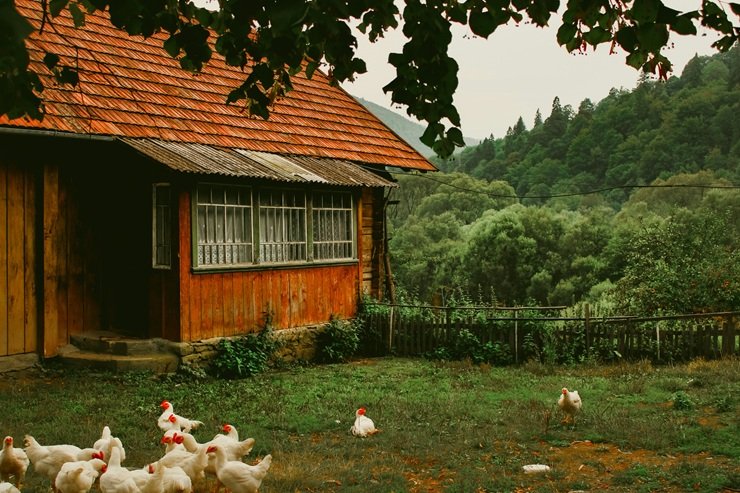
Small-scale poultry farming can provide income from eggs or meat.
The business can be started with a manageable number of birds and expanded if the market and finances support growth.
However, poultry farming is not simply about buying birds and selling them later.
You need to manage:
- Feed
- Housing
- Ventilation
- Clean water
- Disease prevention
- Labour
- Selling arrangements
Feed prices can have a significant impact on profitability.
#6. Goat Farming
Goat farming can be considered where local demand is strong and suitable feed and housing are available.
A small farm may start with a modest herd and gradually expand.
Income can come from selling animals, meat, milk or breeding stock, depending on the business model.
However, animal healthcare and feeding costs should be included in the financial plan.
Remember
More animals do not automatically mean more profit. The cost of maintaining the herd also increases.
#7. Beekeeping
Beekeeping can be an attractive complementary business for some small farms.
Bees produce honey and other hive products, while also contributing to pollination.
Potential products include:
- Honey
- Beeswax
- Pollen
- Other hive products
Beekeeping requires proper knowledge of hive management, seasonal conditions and bee health.
It may work particularly well alongside fruit or crop production where suitable flowering plants are available.
#8. Flower Farming
Flowers can provide an opportunity for small farms with suitable climate and market access.
Possible customers include:
- Florists
- Event organisers
- Wholesale markets
- Garden centres
- Local customers
Demand may increase around weddings, festivals and other occasions.
The main challenge is that flowers can be highly perishable, so harvesting and transportation need to be carefully planned.
#9. Organic Vegetable Farming
A small farm may choose to specialise in organically produced vegetables where there is sufficient customer demand.
Potential customers may include households, specialist shops, restaurants and local food businesses.
However, farmers should be careful with the term organic. Formal organic certification can have specific requirements depending on the country and market.
Higher selling prices are possible in some markets, but higher prices do not automatically mean higher profits.
Production costs, labour and marketing also matter.
#10. Hydroponic Farming
Hydroponics can be useful when outdoor agricultural land is limited.
Plants are grown using a nutrient solution rather than conventional soil-based cultivation.
Depending on the system, hydroponics can be used to grow crops such as leafy greens and herbs.
Potential advantages
- Efficient use of space
- Greater control over growing conditions
- Suitable for some urban and peri-urban locations
- Possibility of year-round production in suitable systems
Challenges
- Initial equipment costs
- Electricity requirements
- Technical knowledge
- Regular monitoring
- System maintenance
Read our detailed guide to Hydroponic Farming to understand how the system works.
#11. Fruit Plants and Small Orchard Farming
A small farm does not always need to produce field crops.
Depending on the climate, you may consider fruit plants such as:
- Mango
- Guava
- Apple
- Orange
- Lemon
- Papaya
- Banana
- Other locally suitable varieties
Fruit farming can provide long-term production, but some fruit trees take several years to become commercially productive.
This makes it more suitable for someone prepared to think beyond immediate returns.
#12. Fodder Farming
Fodder farming involves growing crops specifically for livestock feed.
It can be an interesting business where dairy farms, cattle owners or other livestock operations need a reliable supply of quality fodder.
Another option is to grow fodder for your own livestock and potentially reduce dependence on purchased feed.
The business should be evaluated based on local livestock numbers, demand, transport costs and available water.
#13. Direct-to-Consumer Farming
One of the biggest opportunities for a small farm may not be a particular crop.
It may be how you sell it.
Instead of selling everything to a wholesaler, a small farmer could explore direct sales through:
- Local markets
- Farm shops
- Community groups
- Restaurants
- Local retailers
- Subscription boxes
- Online orders, where practical
For example, a small vegetable farm near a town might sell weekly boxes containing seasonal produce directly to households.
The farmer may receive a better price per unit, although direct selling also requires time, packaging, customer service and delivery arrangements.
#14. Value-Added Farm Products
A small farm can sometimes increase the value of its products through processing or packaging.
For example:
Fruit → Jam
Milk → Yoghurt
Honey → Packaged honey
Herbs → Dried herbs
Tomatoes → Sauce
The idea is simple: instead of selling only the raw product, you create something that customers may value more.
However, food processing can involve additional equipment, packaging, food-safety rules, licences and other requirements.
Research the regulations applicable to your location before starting.
#15. Mixed Small Farm
A small farm does not always need to depend on a single activity.
For example, a farmer could combine:
- Vegetables
- Fruit plants
- Poultry
- Beekeeping
- A small nursery
This can create multiple sources of income and make use of different parts of the farm.
However, diversification also increases management responsibilities.
Starting with one or two activities and expanding gradually may be easier than trying to manage everything at once.
Small Farm Business Ideas at a Glance
| Business Idea | Land Requirement | Main Opportunity | Key Challenge |
| Vegetable farming | Small–Medium | Local fresh produce | Price changes |
| Herb farming | Small | Restaurants and retail | Market size |
| Plant nursery | Small | Farmers and gardeners | Plant care |
| Mushroom farming | Very small | Local food market | Environmental control |
| Poultry farming | Small–Medium | Eggs or meat | Feed costs |
| Goat farming | Small–Medium | Meat, milk or breeding | Animal care |
| Beekeeping | Small | Honey and hive products | Bee health |
| Flower farming | Small–Medium | Florists and events | Perishability |
| Organic farming | Small–Medium | Premium markets | Labour/certification |
| Hydroponics | Small | Controlled fresh produce | Equipment costs |
| Fruit farming | Small–Medium | Fresh fruit | Long establishment period |
| Fodder farming | Small–Medium | Livestock feed | Water and demand |
| Direct selling | Small | Higher-value local sales | Customer management |
| Value-added products | Small | Higher product value | Processing requirements |
| Mixed farming | Small–Medium | Multiple income sources | Management complexity |
How to Choose the Right Small Farm Business
Choosing an idea is only the first step.
Before spending money, work through these questions.
Consider Your Land
Measure the usable area and understand the soil, drainage, sunlight and access.
Not every part of a farm has the same potential.
Check Water Availability
Reliable water is essential for many agricultural businesses.
A business that requires regular irrigation may not be suitable if your water supply is uncertain.
Study the Local Market
Look around your area.
- What do local shops sell?
- What do restaurants buy?
- What products are brought in from other areas?
- What are people willing to pay for?
These observations can reveal opportunities that a generic online list cannot.
Calculate Your Budget
Consider both startup and running costs.
For example:
Startup costs: equipment, structures, animals, irrigation or planting material.
Operating costs: feed, fertiliser, labour, electricity, water, transport and maintenance.
Keeping money aside for unexpected costs is also sensible.
Think About Your Time
Some businesses require daily attention.
Livestock and poultry, for example, cannot simply be left unattended for several days.
A crop that needs regular harvesting may also require more labour during certain periods.
How to Make a Small Farm More Profitable
A small farm does not necessarily need to become much larger to increase its income.
Sometimes the better approach is to improve the value generated from the existing land.
Grow According to Demand
Choose products that customers actually want.
Reduce Waste
Post-harvest losses can quietly reduce farm income.
Good harvesting, handling, storage and transportation can help reduce unnecessary losses.
Sell at the Right Point in the Supply Chain
Where practical, compare wholesale and direct selling options.
Focus on Quality
Consistent quality can help a small producer build repeat customers.
Keep Records
Track production, expenses, sales and losses.
A simple notebook or spreadsheet can reveal which activity is performing well.
Add Value Where It Makes Sense
Processing, packaging or branding can create additional opportunities, but only when the additional costs and requirements are manageable.
A Simple Example of a Small Farm Business
Imagine a farmer has a small plot near a growing town.
Instead of planting the entire area with one crop, the farmer studies the local market and discovers that nearby restaurants regularly purchase fresh herbs and leafy vegetables.
The farmer starts with a manageable area, grows a few varieties, and approaches potential buyers before the first major harvest.
After the first cycle, the farmer compares:
- Total production
- Seeds and input costs
- Labour
- Water and electricity
- Transport
- Sales
- Unsold produce
Perhaps one crop sells quickly while another is harder to move.
For the next cycle, the farmer adjusts the planting plan based on actual results.
This is a much more practical way to build a small farm business than simply choosing a crop because someone online called it “high profit”.
Common Mistakes on Small Farms
Trying Too Many Ideas at Once
Starting vegetables, poultry, goats, mushrooms and a nursery at the same time can quickly become difficult to manage.
Ignoring the Market
Production without a clear customer can result in unsold or low-value produce.
Spending Too Much on Equipment
Buy equipment because it solves a genuine problem, not simply because it looks modern.
Forgetting Transport Costs
A good selling price can become less attractive when transportation is expensive.
Underestimating Labour
Your own time has value, even if you do not initially pay yourself a formal wage.
Expecting Quick Profits
Some businesses provide faster returns than others. Fruit trees, for example, may require years before reaching full production.
FAQs.
Q1. What is the best business for a small farm?
There is no single best option. Vegetable farming, herbs, nurseries, mushrooms, poultry, beekeeping and other specialised activities may suit small farms depending on location and market demand.
Q2. Can a small farm be profitable?
Yes, a small farm can be profitable, but profitability depends on production costs, selling prices, productivity, market access and management.
Q3. What can I farm on a small piece of land?
Depending on your conditions, you could consider vegetables, herbs, flowers, nursery plants, mushrooms, poultry, beekeeping or certain controlled farming systems.
Q4. What is a good low-space farming business?
Mushroom farming, nurseries, herbs and some hydroponic systems can make relatively efficient use of limited space. The suitability of each option depends on your market and resources.
Q5. Should I start one farming business or several?
For beginners, starting with one main activity is often easier to manage. Once you understand the production and sales process, you can consider adding another activity.
Q6. How much money do I need to start a small farm business?
There is no fixed amount. Costs vary according to the farming activity, land, infrastructure, livestock, equipment and scale.
Conclusion:
Having a small farm does not mean having small opportunities.
The key is to use limited resources intelligently.
Instead of trying to compete with large farms on quantity, a small farm can focus on specialised products, local demand, quality and direct customer relationships.
Start by understanding your land and water, then study your market before deciding what to produce.
Most importantly, do the numbers.
A farming idea may sound profitable, but the real answer becomes clearer when you calculate the cost of production, selling expenses and realistic revenue.
If you are building a farming business, continue with our guide to Farming Business and explore Profitable Farming Ideas for a broader look at agricultural opportunities.
You can also explore our upcoming guides on Farming Business Plans, Farming Cost & Profit, Best Crops for Profit and Agriculture Investment.
Explore. Learn. Grow.