
What Is Fruit Farming?
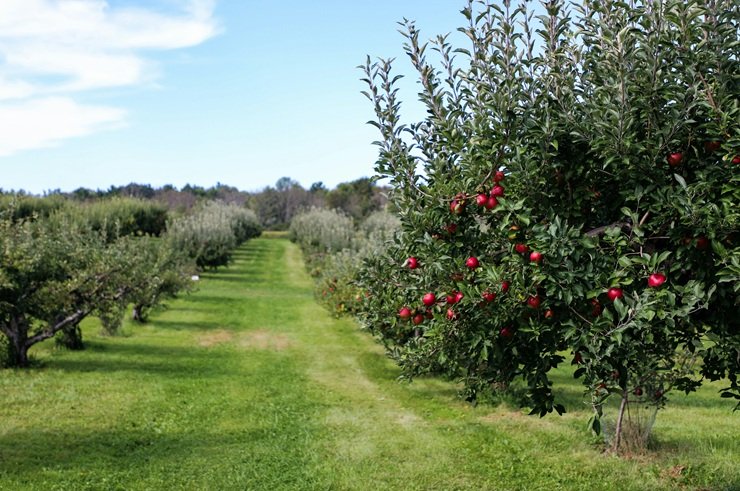
Fruit farming is the practice of growing fruit-producing plants and trees for household consumption, local markets, processing industries, or commercial sale. Depending on the crop, fruit farming can be done in a small backyard, on a family farm, or across large commercial orchards.
Growing fruit is different from growing many seasonal crops because several fruit trees take years to become fully productive. Farmers therefore need to think beyond planting and consider soil, climate, irrigation, pollination, pruning, pest management, harvesting, storage, and market demand.
For anyone planning to start fruit cultivation, choosing the right crop for the local climate and market is one of the most important decisions.
Fruit farming is also an important part of Crop Farming, which includes the cultivation of different crops for food, commercial use, and other purposes.
Why Is Fruit Farming Important?
Fruit farming contributes to agriculture in several ways.
#1. Provides Nutritious Food
Fruits provide important nutrients, vitamins, minerals, fiber, and other compounds that are part of a balanced diet.
#2. Creates Farming Income
Farmers can sell fresh fruits directly to consumers, wholesalers, retailers, food processors, and local markets.
However, income can vary considerably depending on crop variety, production costs, weather, yield, quality, transportation, and market prices.
#3. Supports Agricultural Employment
Commercial orchards require workers for planting, pruning, irrigation, harvesting, sorting, packing, and transportation.
#4. Supports Food Processing
Many fruits are also used to make juices, jams, sauces, dried products, frozen foods, and other processed products.
#5. Encourages Long-Term Farm Planning
Fruit orchards require planning over several seasons. Farmers have to think about tree spacing, pollination, irrigation, pruning, harvesting, and future market demand.
Major Types of Fruit Crops
Fruit crops can be grouped according to their climate requirements, growing habits, and production characteristics.
#1. Tropical Fruits
Tropical fruits generally perform well in warm climates.
Examples include:
- Mango
- Banana
- Papaya
- Pineapple
- Coconut
- Jackfruit
Mango and banana are widely cultivated in many warm regions, while local climate and water availability influence which varieties perform well.
#2. Subtropical Fruits
Subtropical fruits can tolerate conditions that are different from strictly tropical crops.
Examples include:
- Orange
- Lemon
- Guava
- Pomegranate
- Fig
- Litchi
#3. Temperate Fruits
Temperate fruit crops generally require cooler conditions and, in some cases, a specific amount of winter chilling.
Examples include:
- Apple
- Pear
- Peach
- Plum
- Cherry
- Apricot
Farmers should select varieties according to their local climate rather than choosing a crop only because it has a good market price.
Popular Fruit Crops
Some commonly cultivated fruit crops include:
| Fruit Crop | Common Growing Conditions | Typical Farm Use |
| Mango | Warm climate | Fresh fruit, processing |
| Apple | Cool climate | Fresh fruit, processing |
| Banana | Warm and humid | Fresh consumption, processing |
| Orange | Warm/subtropical | Fresh fruit, juice |
| Guava | Tropical/subtropical | Fresh fruit, processing |
| Papaya | Warm climate | Fresh consumption |
| Grapes | Suitable warm/dry conditions | Fresh fruit, raisins, processing |
| Pomegranate | Warm and relatively dry conditions | Fresh fruit, processing |
| Litchi | Warm conditions with suitable seasonal variation | Fresh fruit |
Actual performance depends on the variety, soil, irrigation, local weather, and farm management.
Types of Fruit Farming
Fruit farming can also be classified according to the scale and method of production.
#1. Home Fruit Farming
Home fruit farming involves growing a limited number of fruit plants around a house, garden, or small plot.
Common choices include:
- Guava
- Lemon
- Papaya
- Pomegranate
- Banana
The main purpose is usually household consumption rather than large-scale commercial production.
#2. Small-Scale Fruit Farming
Small farms may grow fruit for both household use and local markets.
Farmers can gradually expand production depending on available land, water, labour, and market opportunities.
#3. Commercial Fruit Farming
Commercial fruit farming is carried out primarily for selling produce.
It generally requires greater planning for:
- Land preparation
- Variety selection
- Irrigation
- Labour
- Fertilization
- Pest management
- Harvesting
- Packaging
- Transportation
- Market access
Before planting a commercial orchard, farmers should research local demand and expected production costs.
For more information about commercial agricultural production, you can internally link [Commercial Farming] here.
#4. Organic Fruit Farming
Organic fruit farming focuses on production systems that follow organic agriculture principles and applicable certification requirements.
Farmers may use practices such as:
- Compost and organic matter management
- Crop diversification
- Biological pest management
- Mulching
- Soil conservation
Organic production also requires careful pest, disease, fertility, and weed management. Simply avoiding synthetic inputs does not automatically make a farm certified organic.
You can connect this section naturally with your Organic Farming article.
#5. Protected Fruit Production
Some fruit crops can be grown under protected structures such as greenhouses, shade structures, or other controlled environments.
These systems can help farmers manage certain environmental conditions, but they also involve additional infrastructure and operating costs.
How to Start Fruit Farming
Starting a fruit farm requires more planning than simply planting fruit trees.
Here are some important steps.
#1. Select the Right Location
Start by studying the local climate, soil, water availability, sunlight, drainage, and accessibility.
A crop that performs well in one region may not perform well in another.
#2. Test the Soil
Soil testing can provide information about factors such as:
- Soil pH
- Nutrient levels
- Organic matter
- Soil condition
The results can help farmers make more informed decisions about soil improvement and fertilization.
#3. Choose the Fruit Crop
Select crops based on:
- Local climate
- Soil conditions
- Water availability
- Growing period
- Market demand
- Labour availability
- Expected investment
- Storage and transportation facilities
Don’t select a crop solely because its market price is currently high.
#4. Select Suitable Varieties
Different varieties of the same fruit can have different requirements and characteristics.
For commercial production, farmers should consider:
- Yield
- Fruit quality
- Local adaptability
- Disease resistance
- Harvesting period
- Consumer demand
- Storage characteristics
#5. Plan Orchard Spacing
Proper spacing allows fruit trees to receive adequate sunlight and air circulation.
The required spacing depends on:
- Fruit species
- Variety
- Rootstock
- Soil fertility
- Training system
- Farm management method
#6. Arrange Irrigation
Water management is essential for healthy fruit production.
Depending on the farm and crop, irrigation systems may include:
- Drip irrigation
- Sprinkler irrigation
- Surface irrigation
- Other efficient irrigation systems
Drip irrigation can be useful where water efficiency is important, although the right system depends on the crop and farm conditions.
Important Fruit Farming Methods
Modern fruit production can combine traditional knowledge with improved agricultural practices.
Traditional Fruit Farming
Traditional methods may depend more heavily on local experience, manual labour, natural rainfall, and established cultivation practices.
These methods can still be useful, particularly for small farms, but productivity depends on local conditions and management.
Organic Fruit Farming
Organic systems focus on soil health, biodiversity, and approved inputs and practices.
Sustainable Fruit Farming
Sustainable fruit production aims to use resources efficiently while maintaining soil and farm productivity over the long term.
Practices may include:
- Mulching
- Soil conservation
- Efficient irrigation
- Cover crops
- Composting
- Integrated pest management
Read Also: Sustainable Farming.
Modern Fruit Farming
Modern agriculture can use technologies such as:
- Drip irrigation
- Weather monitoring
- Soil sensors
- Farm management software
- Precision agriculture
- Improved planting materials
Read Also: Modern Farming.
Precision Farming
Precision farming uses data and technology to make farm management more targeted.
For example, farmers may use soil information, weather data, GPS-based systems, or sensors to improve decisions about irrigation and crop management.
Orchard Management
Planting trees is only the beginning of fruit farming. Regular orchard management has a major role in crop health and production.
Important activities include:
Pruning
Pruning helps farmers manage tree structure, remove unwanted growth, and improve light penetration depending on the crop and training system.
Weed Management
Weeds compete with fruit plants for water, nutrients, and sunlight.
Farmers may use mulching, mechanical methods, cover crops, or other suitable weed-management practices.
Pest and Disease Management
Fruit crops can be affected by insects, fungi, bacteria, viruses, and other problems.
Regular observation can help farmers identify problems early.
Integrated pest management can combine monitoring, cultural practices, biological controls, and other appropriate methods.
Fertilizer and Nutrient Management
Fruit trees need appropriate nutrients for healthy growth and production.
Fertilizer application should ideally be based on soil conditions, crop requirements, plant growth, and local agricultural recommendations.
Pollination in Fruit Farming
Pollination is an important factor for many fruit crops.
Some fruit plants can produce fruit with limited dependence on another variety, while others benefit from cross-pollination.
Pollination may involve:
- Bees
- Other insects
- Wind
- Manual pollination
Farmers should understand the pollination requirements of the selected fruit variety before establishing an orchard.
Good pollination management can have a direct effect on fruit set and crop production.
Fruit Farming and Water Management
Water requirements differ between fruit crops and also change according to the plant’s growth stage, weather, soil, and production system.
Too little water can cause stress, poor growth, or reduced fruit development, while excessive water can contribute to root problems and nutrient loss.
For this reason, irrigation should be planned according to the crop and local conditions rather than following the same watering schedule for every fruit tree.
Fruit Farming Calendar
Fruit farming does not follow one universal calendar.
The ideal timing for planting, pruning, flowering management, irrigation, and harvesting depends on the fruit crop, variety, climate, and region.
A simple planning approach is:
Before planting:
Soil testing → crop selection → variety selection → land preparation
Planting stage:
Planting → irrigation setup → initial plant protection
Vegetative growth
Nutrient management → pruning/training → weed management
Flowering and fruit development:
Pollination → irrigation → pest and disease monitoring
- Harvest stage:
- Maturity assessment → harvesting → sorting → packing
After harvest:
Storage → transportation → marketing → orchard maintenance
Benefits of Fruit Farming
Fruit farming can offer several agricultural and economic benefits.
Food Production
Fruit production contributes to the availability of fresh food.
Income Opportunities
Farmers can sell fruits through different channels, including:
Local markets
Wholesalers
Retailers
Direct farm sales
Food processors
Long-Term Production
Some fruit trees can produce crops for many years when properly managed.
Employment
Commercial orchards create work opportunities during planting, maintenance, harvesting, sorting, packing, and transportation.
Value Addition
Some fruits can be processed into products such as:
Juice
Jam
Jelly
Dried fruit
Pickles
Pulp
Challenges of Fruit Farming
Fruit farming also comes with several challenges.
Weather Risk
Heat waves, frost, heavy rainfall, drought, hail, and storms can affect fruit production.
Pest and Disease Problems
Poor monitoring can result in crop damage and reduced fruit quality.
Market Price Changes
Fruit prices can fluctuate depending on supply, demand, season, quality, and location.
Perishability
Many fruits have a limited shelf life and require careful handling after harvest.
High Initial Investment
Commercial orchards may require investment in:
Plants
Irrigation
Fencing
Labour
Equipment
Storage
Packaging
Waiting Period
Some fruit trees take several years before reaching significant commercial production. Farmers should consider this when planning their investment.
Is Fruit Farming Profitable?
Fruit farming can be profitable, but profitability is not guaranteed.
The financial outcome depends on several factors, including:
- Fruit crop
- Variety
- Land cost
- Planting density
- Labour cost
- Irrigation cost
- Input expenses
- Yield
- Fruit quality
- Market price
- Transportation
- Storage facilities
- Post-harvest losses
For example, a farmer may produce a good crop but still receive lower returns if market prices fall during the harvest season.
Therefore, market research should be done before establishing a commercial orchard.
How to Reduce Fruit Losses After Harvest
Post-harvest management is often overlooked, but it can have a major impact on the final income from a fruit crop.
Farmers should pay attention to:
- Harvesting fruits at the appropriate maturity stage
- Avoiding unnecessary bruising
- Sorting damaged fruits
- Using suitable packaging
- Keeping harvested produce in appropriate conditions
- Reducing unnecessary transportation delays
- Finding reliable buyers before peak harvest
Good post-harvest handling can help maintain fruit quality and reduce avoidable losses.
Fruit Farming vs Vegetable Farming
Fruit farming and vegetable farming are both important parts of Crop Farming, but their production cycles can be quite different.
Fruit farming often involves perennial plants and long-term orchard management. Vegetable farming commonly involves shorter production cycles and may allow farmers to grow multiple crops in a single year.
Vegetable farming may therefore offer quicker production cycles, while fruit farming can provide longer-term production once an orchard becomes established.
Read our detailed guide to Vegetable Farming to understand its methods, crops, benefits, and challenges.
Fruit Farming and Modern Agriculture
Technology is gradually changing the way farmers manage fruit orchards.
Modern tools can help with:
- Irrigation management
- Weather monitoring
- Soil analysis
- Farm record keeping
- Pest monitoring
- Yield estimation
- Crop planning
Farmers can combine these technologies with traditional knowledge and field observations.
For more information, see our guide to Modern Farming.
Tips for Successful Fruit Farming
If you are planning to start fruit cultivation, keep these points in mind:
- Choose crops suitable for your local climate.
- Test the soil before planting.
- Select varieties carefully.
- Plan irrigation before establishing the orchard.
- Maintain appropriate tree spacing.
- Monitor pests and diseases regularly.
- Learn proper pruning and training techniques.
- Keep records of farm expenses and production.
- Research the market before planting large areas.
- Plan harvesting, storage, and transportation in advance.
- Avoid depending on a single buyer if possible.
- Focus on fruit quality as well as production volume.
FAQs.
Q1. Which fruit is easiest to grow?
There is no single fruit that is easiest for every location. The best choice depends on climate, soil, water availability, variety, and local growing conditions.
Q2. Is fruit farming profitable?
Fruit farming can provide good returns, but profitability depends on production costs, crop yield, fruit quality, market prices, and post-harvest losses.
Q3. How long does fruit farming take?
The time required varies greatly. Some fruit plants can produce relatively quickly, while many orchard crops require several years before reaching significant production.
Q4. What is the most important factor in fruit farming?
Crop selection according to local climate and soil is one of the most important starting decisions. Water availability, market demand, variety, and management are also important.
Q5. Can fruit farming be done organically?
Yes, fruit can be produced using organic farming systems, subject to the applicable production standards and certification requirements.
Q6. What is orchard farming?
Orchard farming is the cultivation and management of fruit trees, usually in an organized planting system for household or commercial production.
Conclusion:
Fruit farming is more than planting fruit trees and waiting for a harvest. Successful fruit production requires planning from the beginning—from selecting the right crop and variety to managing soil, water, pollination, pests, harvesting, and marketing.
For small farmers, starting with crops that are well suited to the local climate and have a known local market can make planning easier. For commercial growers, a proper assessment of investment, production costs, expected yield, market demand, and post-harvest handling is especially important.
With appropriate crop selection and good orchard management, fruit farming can become a valuable part of a diversified agricultural system.
One thought on “Fruit Farming: Types, Methods, Benefits, Crops & Complete Guide”